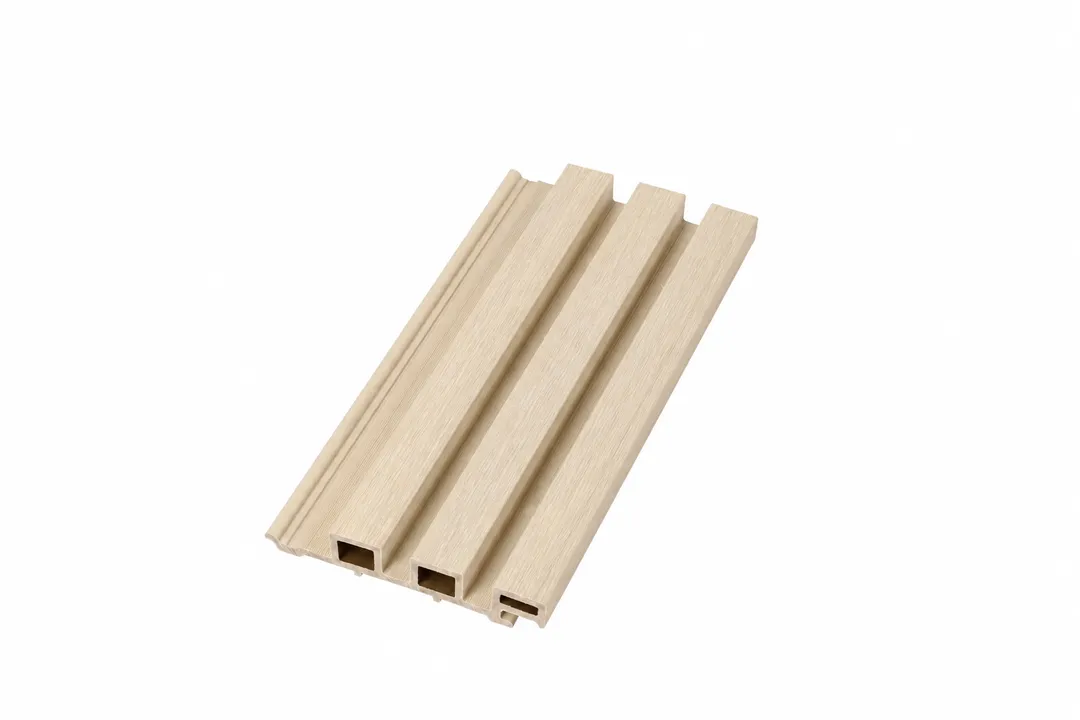
Durable, weather-resistant, and built to hold up outdoors.

Composite decking is a popular choice for outdoor spaces because it is durable, attractive, and easier to maintain than natural wood. Many homeowners install composite decking for patios, balconies, garden decks, and pool areas because it can last for many years with less maintenance. However, over time, even composite decking can start to fade, look worn, or become stained. This leads many people to ask one important question: can you paint composite decking?
The simple answer is yes, many types of composite decking can be painted. Still, there are important things to understand before starting. Some composite decking products accept paint better than others. Proper cleaning and preparation are also necessary if you want the paint to last.
Painting composite decking can completely refresh the appearance of your outdoor space. It can help cover stains, hide fading, and give the deck a new color without the high cost of replacement. However, painting also creates more maintenance because painted surfaces need touch ups and repainting over time.
In this guide, you will learn everything you need to know about painting composite decking, including the best paint to use, how to prepare the surface, and the advantages and disadvantages of painting.
Composite decking is made from a combination of wood fibers and plastic materials. Some products also include recycled materials. This mixture creates a strong and long lasting decking material that is more resistant to moisture, insects, and rot than natural wood.
There are two common types of composite decking.
This older style does not have a protective outer layer. It often feels more like wood and usually accepts paint more easily.
This modern type includes a protective plastic shell around the board. It resists stains, fading, and moisture better than uncapped boards. However, the smooth coating can make painting more difficult.
Most newer decks use capped composite decking because it requires less maintenance.
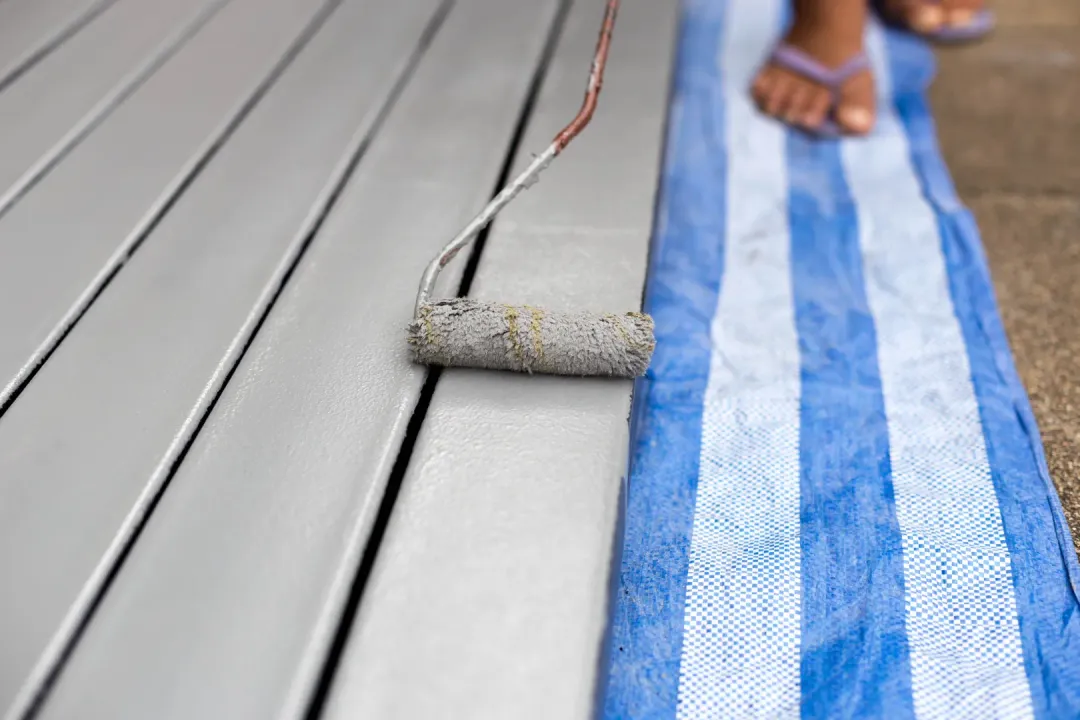
Homeowners choose to paint composite decking for different reasons.
Constant sunlight can slowly fade the original deck color. A faded deck can make the outdoor area look old and less attractive.
Grease, food spills, mold, and dirt can leave stains that are difficult to remove completely.
Some people simply want to change the color of their deck to match a home renovation or new outdoor furniture.
Older decks may have scratches, scuffs, or uneven coloring. Paint can help hide these imperfections.
Replacing a deck can be very expensive. Painting is often a more affordable option.
Painting composite decking is possible, but it is not always necessary.
Many manufacturers design composite decking to keep its appearance for years without painting or staining. Some companies also warn that painting may void the product warranty.
Before painting, check the manufacturer's instructions for your decking material. If the deck is still under warranty, painting could remove that protection.
Painting may be a good option if:
The deck is old and faded
The warranty has expired
The surface has stains or scratches
You want a different color
If the deck still looks good after cleaning, painting may not be needed.
Some homeowners think about staining instead of painting.
Older uncapped composite decking may absorb stain fairly well. However, modern capped decking usually does not absorb stain properly because of its plastic surface.
Paint normally provides better coverage and hides discoloration more effectively than stain. If you want a completely new look, paint is usually the better choice.
Before buying paint, inspect the deck surface carefully.
If the decking feels rough or wood like, paint may stick better.
Pour a little water onto the deck. If the water absorbs slowly instead of sitting on top, the deck may accept paint more easily.
Older composite decks are usually easier to paint than newer capped products.
Always read any available product information before starting.
Very smooth or shiny surfaces may require extra sanding and primer.
Choosing the right paint is very important.
Regular indoor wall paint is not suitable for outdoor decking because it cannot handle weather and foot traffic.
The best option is usually high quality exterior deck paint.
Acrylic latex paint is one of the most recommended choices for composite decking.
Benefits include:
Good weather resistance
Flexibility during temperature changes
Resistance to cracking
Easy cleanup
This paint is designed for surfaces with heavy foot traffic and can work well on decks.
Some deck paints include texture additives that help reduce slipping when the surface is wet.
Avoid low quality paint because it may peel or fade quickly.
In most cases, yes.
Primer helps the paint stick properly to the composite surface. It also creates a smoother and more even finish.
A bonding primer made for exterior surfaces is usually the best option.
Even if the paint claims to include primer, a separate primer coat often improves durability.
Before starting, gather all necessary supplies.
You may need:
Deck cleaner
Scrub brush
Hose or pressure washer
Sandpaper
Exterior primer
Exterior deck paint
Paint roller
Paint tray
Paintbrush
Painter's tape
Protective gloves
Having everything ready before starting makes the project easier.
Painting composite decking requires proper preparation for the best results.
Remove all furniture, rugs, and decorations.
Sweep away dirt, leaves, and debris. Wash the deck thoroughly using deck cleaner and water. Scrub areas with stains, mold, or grease.
A pressure washer can help remove dirt, but use low pressure to avoid damaging the boards.
Allow the deck to dry completely before moving to the next step.
Check the deck carefully for loose screws, cracks, or damaged boards.
Repair any problems before painting.
Light sanding helps the primer and paint bond better.
Use medium grit sandpaper and sand smooth or shiny areas gently.
After sanding, remove all dust from the surface.
Use a roller for larger sections and a brush for corners and edges.
Apply a thin and even coat of primer and let it dry fully.
Apply the paint evenly using smooth strokes.
Work from one end of the deck toward the exit.
Most decks need two thin coats instead of one thick coat. Thin coats usually last longer and look smoother.
Allow enough drying time between coats.
The paint may feel dry within a few hours, but full curing can take several days.
Avoid heavy foot traffic and furniture placement until the paint cures completely.
The lifespan of painted composite decking depends on several factors, including:
Paint quality
Weather conditions
Surface preparation
Amount of foot traffic
Maintenance
A properly painted deck may look good for three to five years before needing touch ups or repainting.
Decks exposed to heavy sunlight or frequent rain may require maintenance sooner.
Painting composite decking can work well, but some issues may appear later.
This is the most common problem.
Peeling usually happens because of poor cleaning, trapped moisture, lack of primer, or low quality paint.
Temperature changes can sometimes cause paint to crack.
Strong sunlight may slowly fade the paint color over time.
Some painted decks become slippery when wet. Textured deck paint can help reduce this issue.
Proper maintenance helps keep painted decking looking fresh.
Sweep dirt and leaves often. Wash the deck occasionally to prevent buildup.
Dragging heavy furniture can scratch the painted surface.
Touch up small chips before peeling spreads.
Some rugs trap moisture underneath, which can damage paint over time.
Refreshing the paint before serious wear appears can make maintenance easier.
Yes, composite decking can usually be repainted.
However, preparation is still important. Remove loose or peeling paint, sand rough areas, and clean the deck thoroughly before applying new paint.
A smooth and clean surface helps the new coat bond properly.
Painting is normally much cheaper than replacing composite decking.
Replacing a deck can cost a large amount of money depending on the deck size and condition. Painting offers a more affordable way to improve appearance.
However, if the deck structure is badly damaged or unsafe, replacement may be the better choice.
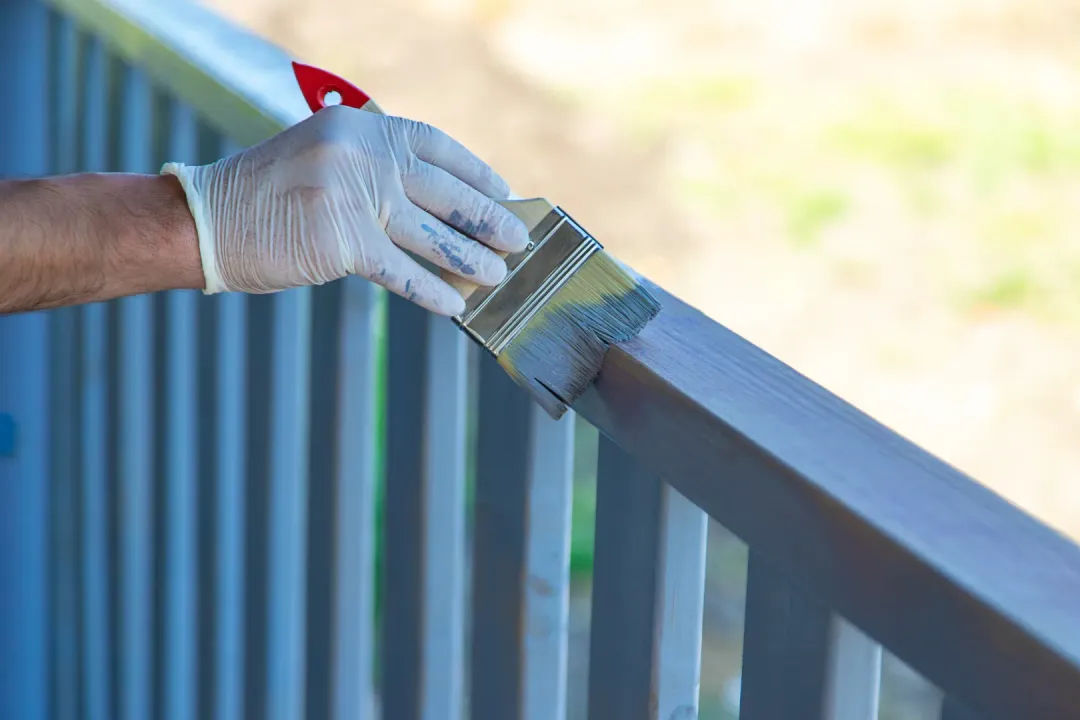
Yes, many composite railings can also be painted.
The process is similar to painting the deck itself:
Clean the surface
Sand lightly
Apply primer
Use exterior paint
Railings may require more brush work because of their shape and details.
The right color can improve the appearance of your outdoor space.
Gray is modern and popular because it hides dirt fairly well.
Brown creates a natural wood appearance that works with many home styles.
Light colors can make outdoor spaces feel brighter and larger.
Dark shades look elegant but may become hotter in direct sunlight.
Painting offers several benefits.
Paint can make an old deck look new again.
Paint hides cosmetic damage and discoloration.
Painting is more affordable than replacing the deck.
You can completely change the style of your outdoor space.
There are also some drawbacks to consider.
Painted decks require future touch ups and repainting.
Improper preparation can lead to peeling paint.
Painting may void manufacturer warranties.
Painting requires cleaning, sanding, and regular maintenance.
If you are unsure about painting, there are other ways to improve the look of your deck.
Professional cleaning may restore the original appearance.
Replacing only damaged sections can improve the deck without painting everything.
Some products are made to refresh faded composite decking.
New furniture, lighting, or rugs can make the area feel updated without painting.
So, can you paint composite decking? Yes, many types of composite decking can be painted successfully if the surface is prepared correctly and the right materials are used.
Painting can refresh faded decking, cover stains, and give your outdoor space a completely new appearance without the high cost of replacement. However, it is important to remember that painted composite decking requires future maintenance and may need repainting after a few years.
Before starting, always check the manufacturer recommendations for your decking material. Older uncapped composite decking usually accepts paint more easily than newer capped products.
With proper cleaning, sanding, priming, and high quality exterior paint, a composite deck can look fresh and attractive for years. For many homeowners, painting is an affordable and practical way to improve an outdoor space.
Yes, painted composite decking can handle rain if you use high quality exterior paint and proper primer. However, poor preparation can lead to peeling or bubbling after repeated exposure to moisture.
Most painted decks can handle light foot traffic after 24 hours, but full curing may take several days. Always follow the drying instructions on the paint container.
It is not recommended because cold temperatures can affect how the paint dries and cures. Mild and dry weather usually gives the best results.
Dark paint colors can absorb more heat and make the deck surface warmer in direct sunlight. Lighter shades usually stay cooler.
Yes, rollers work well for large flat areas and help speed up the process. Brushes are better for edges, corners, and railings.
No, you can usually clean it with mild soap and water. Avoid harsh chemicals or rough scrubbing tools that may damage the paint.
Yes, mold can still grow if moisture and dirt build up on the surface. Regular cleaning helps prevent mold and mildew.
Yes, paint can be removed using paint strippers or sanding, but the process can be time consuming and may affect the deck surface.
Yes, you can paint a damaged or faded section, but the color may not perfectly match the rest of the deck if the original paint has faded over time.
Pets can scratch the painted surface with their nails, especially on softer paint finishes. Using durable exterior deck paint can help reduce damage.
Durable, weather-resistant, and built to hold up outdoors.
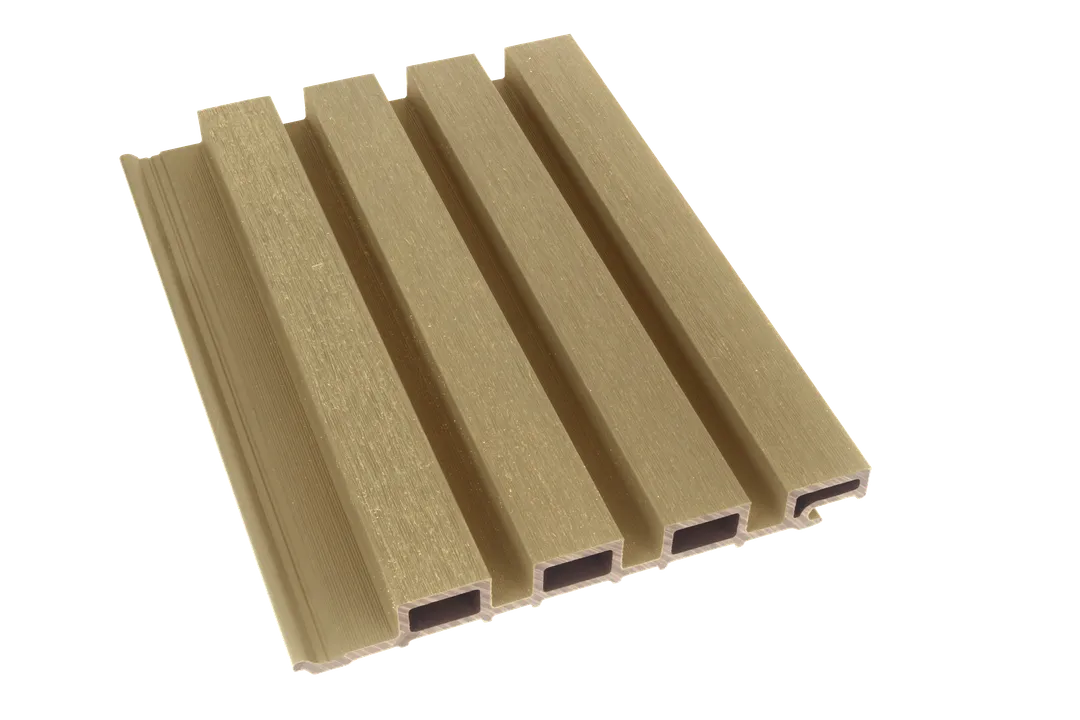
Durable, weather-resistant, and built to hold up outdoors.
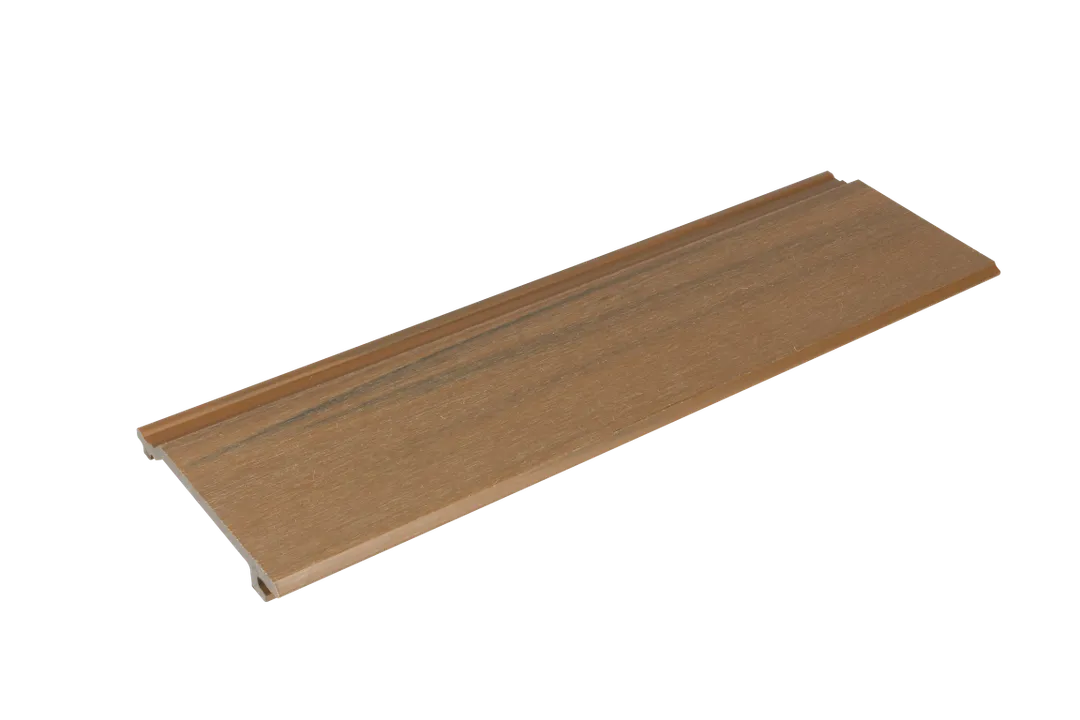
Durable, weather-resistant, and built to hold up outdoors.
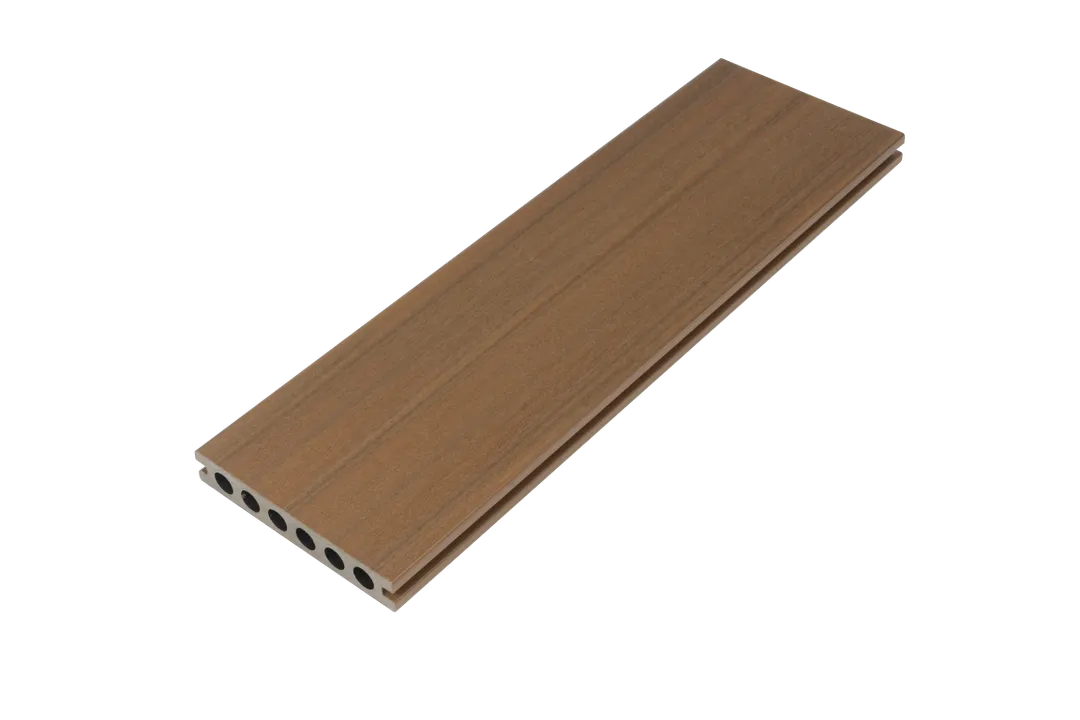
Durable, weather-resistant, and built to hold up outdoors.
Experience the texture, finish, and performance of Deckotech materials firsthand. Request a sample to evaluate the system for your next project.