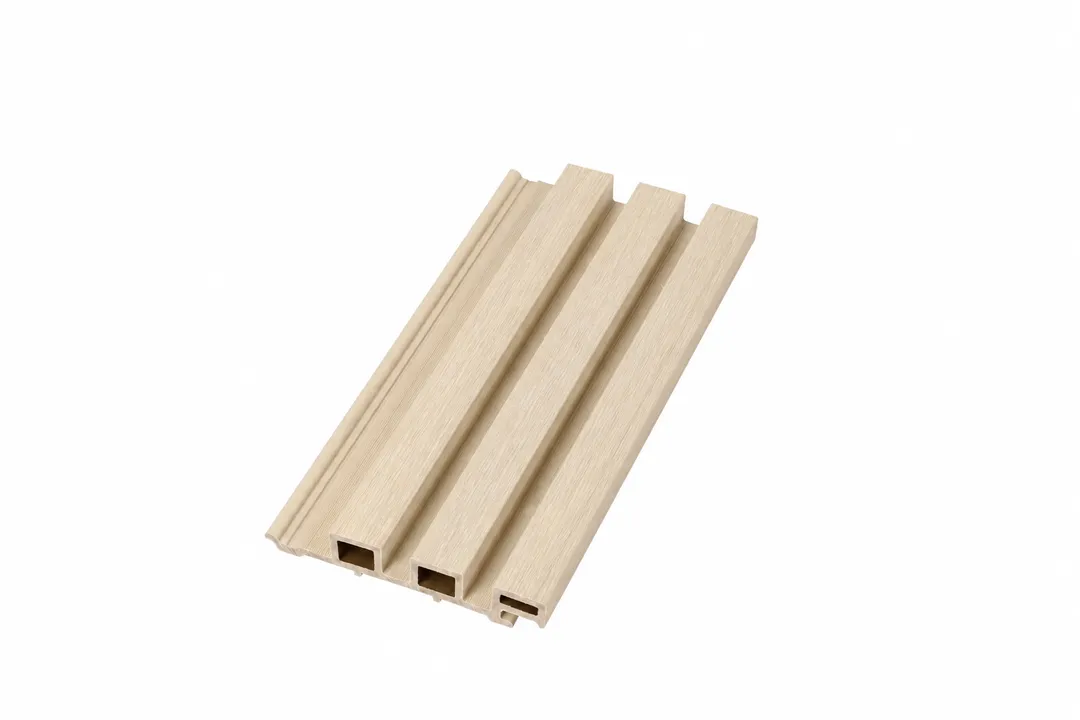
Durable, weather-resistant, and built to hold up outdoors.
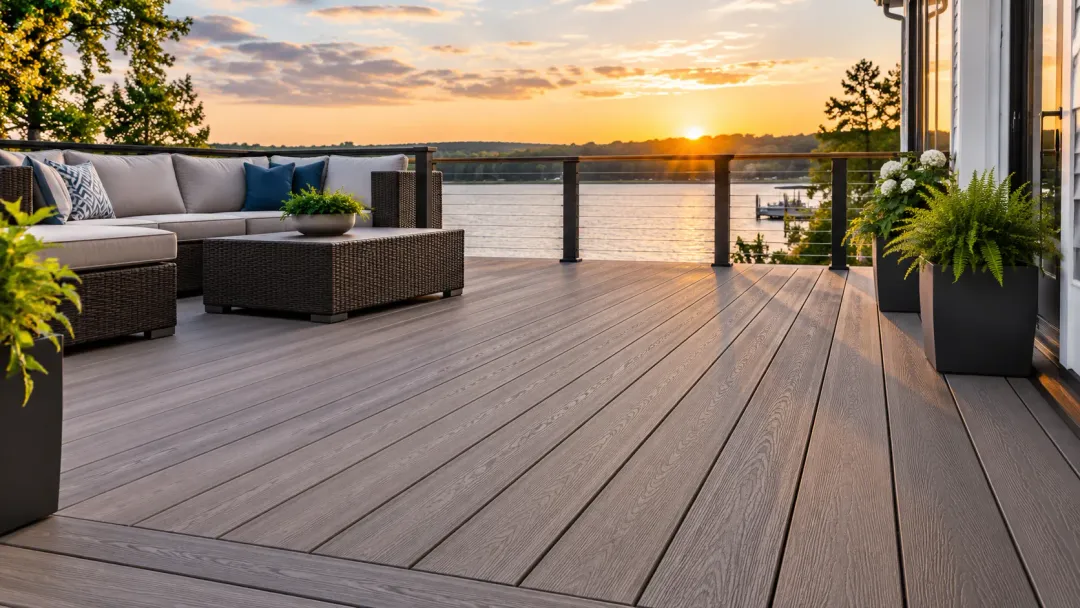
Building a deck is one of the best ways to improve your outdoor living space. A deck creates room for relaxing, grilling, entertaining guests, and spending time with family. When homeowners start planning a deck project, one of the biggest questions is Composite Decking Cost. Composite decking has become very popular in the United States because it offers a modern look, low maintenance, and long life. Still, many homeowners want to know if it fits their budget.
Composite decking usually costs more upfront than traditional wood decking, but it can save money over time because it needs less maintenance and lasts longer. The final price depends on many factors such as deck size, materials, labor, design, and location.
This guide explains everything homeowners should know about composite decking costs in simple words. It covers average prices, installation expenses, factors that affect cost, maintenance, and ways to save money.
Composite decking is made from a mix of wood fibers and recycled plastic. Some brands also use other materials to improve durability and appearance. Composite boards are designed to look like natural wood while reducing common problems such as rotting, splintering, and insect damage.
Many homeowners choose composite decking because it does not require regular staining or sealing like wood decks. It is available in many colors, textures, and styles.
The average composite decking cost in the United States ranges from about $25 to $60 per square foot installed. This price includes decking materials, framing, labor, fasteners, and basic installation.
For materials alone, composite decking boards usually cost between $5 and $15 per square foot.
A small deck may cost around $4,000 to $8,000, while a large custom deck can cost $20,000 or more.
Here are rough examples:
Small 10x10 deck: $4,000 to $8,000
Medium 12x20 deck: $8,000 to $15,000
Large custom deck: $15,000 to $30,000+
The final price depends heavily on design choices and labor costs in your area.
Composite decking boards come in different quality levels. The type of board you choose has a major effect on total cost.
Basic boards are the most affordable option. They usually have a simple appearance and fewer color choices. These boards may cost between $5 and $8 per square foot.
They are a good choice for homeowners who want composite benefits without paying premium prices.
Mid range boards often include better textures, more realistic wood grain patterns, and stronger protective coatings. Prices usually range from $8 to $12 per square foot.
Many homeowners choose this category because it balances cost and appearance.
Premium boards have the most realistic wood look and advanced weather protection. They may also resist fading and scratches better than cheaper products. Prices often range from $12 to $15 or more per square foot.
Luxury decks with premium materials can become expensive quickly, especially for large projects.
Labor is one of the largest parts of deck installation costs. In the United States, labor for composite decking installation often ranges from $10 to $25 per square foot.
Several factors affect labor pricing:
Deck size
Height from the ground
Complexity of design
Stairs and railings
Permits
Local labor rates
A simple ground level deck is easier and cheaper to install than a second story deck with custom features.
Hiring experienced contractors is important because composite decking requires careful installation. Poor installation can lead to uneven boards, drainage problems, and structural issues.
Even though the deck surface may be composite, the structure underneath usually uses pressure treated wood or steel framing.
Pressure treated wood framing is more affordable and common. Steel framing costs more but lasts longer and resists rot and insects.
Framing costs generally range from $5 to $15 per square foot depending on materials and design.
If an old deck frame is still in good condition, homeowners may save money by replacing only the deck boards. However, contractors should inspect the structure carefully before reuse.
Deck railings add safety and style but also increase project costs. Composite railings are more expensive than wood railings.
Average railing costs include:
Basic composite railings: $50 to $100 per linear foot
Premium railings: $100 to $200+ per linear foot
Glass panels, cable railings, and aluminum systems usually cost even more.
A deck with stairs and multiple levels will require more railing material and labor.
Deck stairs increase both material and labor costs. A basic set of stairs may cost several hundred dollars, while large or custom staircases can cost thousands.
The price depends on:
Number of steps
Width
Materials
Lighting
Railings
Curved stairs and wide staircases are among the most expensive options.
Most deck projects in the United States require permits from the local city or county. Permit fees usually range from $100 to $500, depending on the project size and location.
Some homeowners associations may also have design requirements or approval processes.
Professional contractors often handle permits and inspections as part of the project.
Many homeowners add upgrades to improve comfort and appearance. These features can significantly increase total deck cost.
Built in benches and seating areas create a custom look but add extra materials and labor.
Lighting improves safety and creates a better atmosphere at night. Popular options include stair lights, post cap lights, and under rail lighting.
Pergolas provide shade and make decks feel more luxurious. Costs vary widely depending on size and materials.
Outdoor kitchens are one of the most expensive deck upgrades. Grills, counters, plumbing, and electrical work can add thousands to the project.
Fire pits create a cozy outdoor gathering space. Gas fire features generally cost more than wood burning options.
Many homeowners compare composite decking to traditional wood decking before making a decision.
Wood decks usually cost less upfront. Pressure treated wood decks may cost around $15 to $35 per square foot installed, while composite decks often cost $25 to $60 per square foot installed.
However, wood decks require more maintenance over time. Homeowners often spend money on:
Staining
Sealing
Repairs
Replacing damaged boards
Composite decking usually requires only occasional cleaning.
Over many years, composite decking may actually become more cost effective because maintenance costs are lower.
One of the biggest benefits of composite decking is low maintenance.
Unlike wood, composite decking does not need:
Sanding
Staining
Sealing
Painting
Most homeowners only need to clean the deck with soap and water a few times per year.
This lower maintenance can save hundreds or thousands of dollars over the life of the deck.
Most composite decking products last between 25 and 30 years or longer. Some premium products come with long warranties.
Wood decks may need major repairs or replacement sooner, especially in areas with harsh weather.
Composite decking performs well in many climates because it resists moisture, insects, and rot better than wood.
Every deck project is different. Here are the biggest factors that affect pricing.
Larger decks require more materials and labor, which increases cost.
Simple rectangular decks cost less than curved or multi level designs.
Raised decks need additional support structures and railings.
Premium composite boards cost more than basic options.
Labor and material prices vary across the United States. Urban areas often have higher labor costs.
If contractors have difficulty reaching the backyard, installation may cost more.
Lighting, pergolas, seating, and outdoor kitchens all increase project cost.
For many homeowners, composite decking is worth the higher upfront cost because of its long life and low maintenance.
Benefits include:
Less maintenance
Long lifespan
Resistance to rot and insects
Modern appearance
Many color choices
No splinters
Better durability
However, homeowners on a tight budget may still prefer wood because of the lower initial price.
The best choice depends on long term goals, maintenance preferences, and budget.
Composite decking Cost can be reduced.
Simple rectangular decks cost much less than curved or multi level designs.
Mid range composite boards often offer good quality without premium pricing.
Getting multiple estimates can help homeowners find better pricing.
Some contractors offer lower prices during slower months.
Extra features like lighting and outdoor kitchens can quickly increase costs.
If an old deck frame is safe and structurally sound, reusing it may reduce expenses.
Some homeowners consider building a composite deck themselves to save money.
DIY installation can reduce labor costs, but it requires:
Construction skills
Tools
Knowledge of building codes
Time and physical labor
Mistakes during installation can become expensive later.
Professional contractors understand proper spacing, support, drainage, and fastening methods.
For complex or elevated decks, professional installation is usually the safest choice.
Some homeowners underestimate total project costs because of hidden expenses.
Possible extra costs include:
Demolition of old decks
Disposal fees
Permit costs
Soil or drainage work
Electrical work
Structural repairs
Delivery fees
Always ask contractors for detailed estimates before starting the project.
Spring and summer are the busiest seasons for deck construction. Contractors may charge more during peak demand.
Fall and winter projects may offer better pricing and faster scheduling in some parts of the country.
Planning early can also help homeowners avoid delays.
Choosing the right brand is important for durability and appearance.
Homeowners should consider:
Warranty coverage
Color options
Fade resistance
Scratch resistance
Customer reviews
Price
Maintenance requirements
Visiting showrooms or requesting samples can help homeowners compare products in person.
Before hiring a contractor, homeowners should ask important questions such as:
Are you licensed and insured?
How much experience do you have with composite decking?
Can you provide references?
What is included in the estimate?
How long will the project take?
What warranties do you offer?
A reliable contractor should answer questions clearly and provide written estimates.
Composite decking is a popular choice for American homeowners who want a durable and low maintenance outdoor living space. While the upfront cost is usually higher than wood decking, many people find the long term benefits worth the investment.
Most composite deck projects cost between $25 and $60 per square foot installed, but the final price depends on materials, labor, design, and added features. Simple decks with basic materials cost less, while large custom decks with premium finishes can become expensive.
Before starting a project, homeowners should compare materials, get multiple quotes, and think about long term maintenance costs. A well built composite deck can provide decades of outdoor enjoyment and improve both comfort and home value.
Disclaimer: Costs mentioned in this blog are average estimates and may vary based on location, materials, labor rates, and project design. Always get quotes from local contractors before starting your decking project.
Yes, a well built composite deck can improve curb appeal and outdoor living space, which may help increase home value and attract buyers.
Yes, composite decking can often be installed over a concrete patio using a sleeper system or framing structure, as long as the surface is level and drains properly.
Composite decking can become warm in direct sunlight, especially darker colors. Lighter colored boards usually stay cooler.
Most composite decking is resistant to scratches and stains, but heavy scratching from large dogs may still happen over time on some products.
Many modern composite boards are designed with slip resistant textures, but surfaces can still become slippery when wet or icy.
Some fading may happen during the first few months after installation, but many newer products include protective coatings that reduce long term fading.
Most homeowners clean composite decking two or three times per year using mild soap, water, and a soft brush.
Yes, many composite decking brands use recycled plastic and reclaimed wood fibers, making them a more environmentally friendly option compared to some traditional materials.
Most manufacturers do not recommend painting or staining composite decking because it is designed to maintain its color and finish without extra coatings.
The main disadvantage is the higher upfront cost compared to traditional wood decking. Some homeowners also feel that composite does not look exactly like real wood.
Durable, weather-resistant, and built to hold up outdoors.
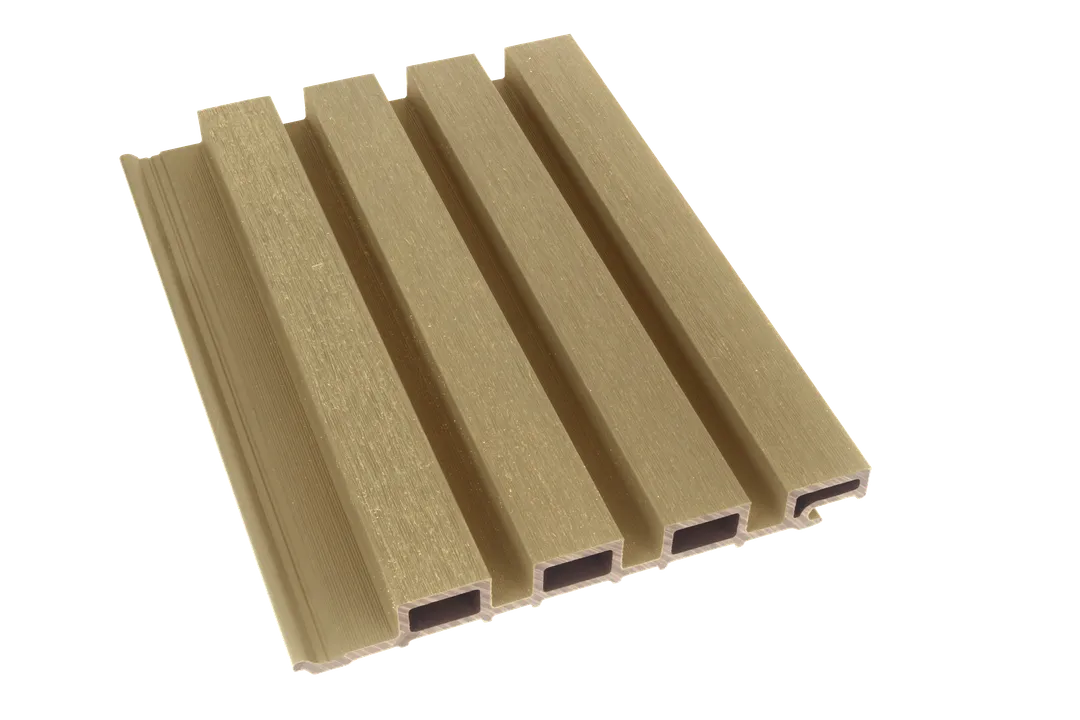
Durable, weather-resistant, and built to hold up outdoors.
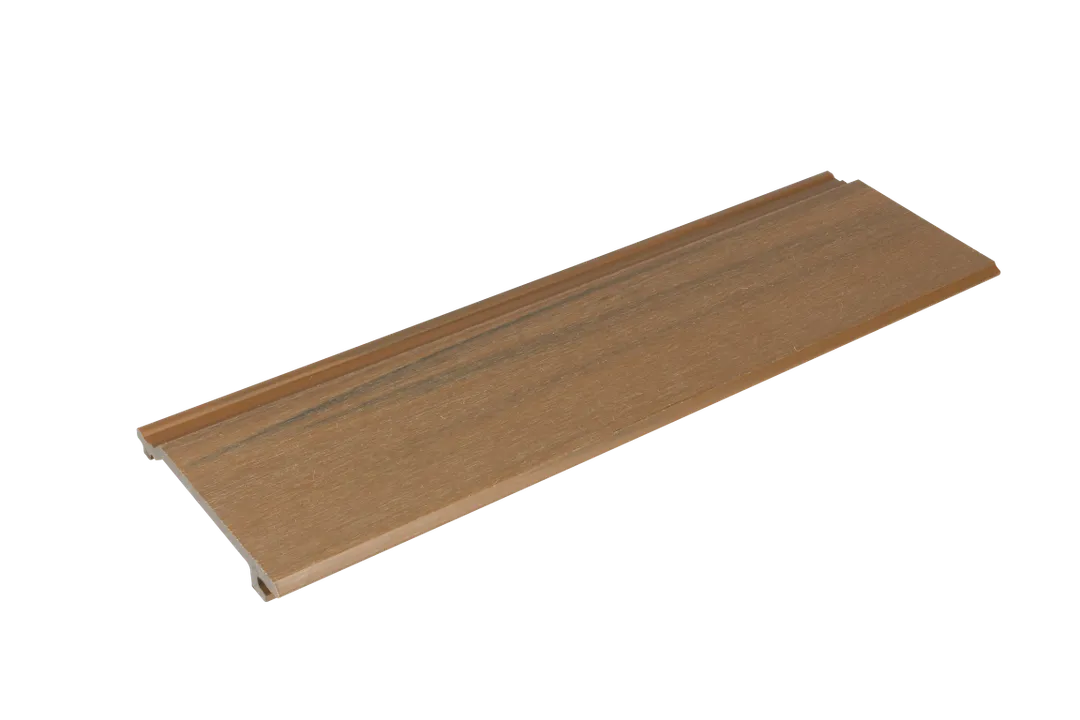
Durable, weather-resistant, and built to hold up outdoors.
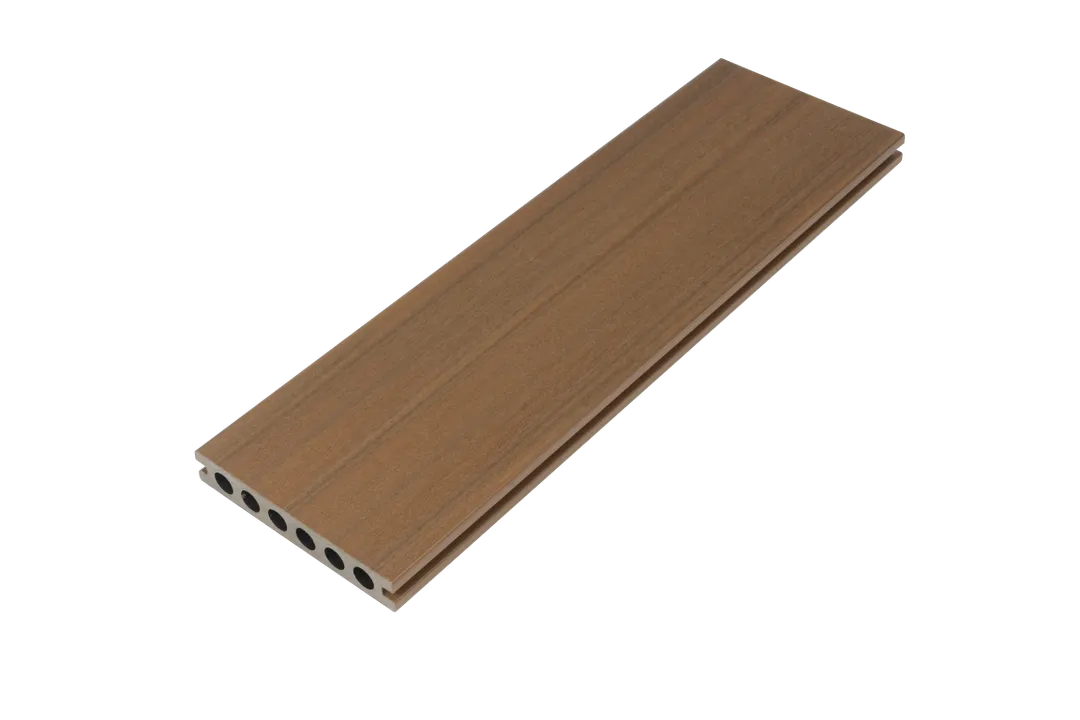
Durable, weather-resistant, and built to hold up outdoors.
Experience the texture, finish, and performance of Deckotech materials firsthand. Request a sample to evaluate the system for your next project.