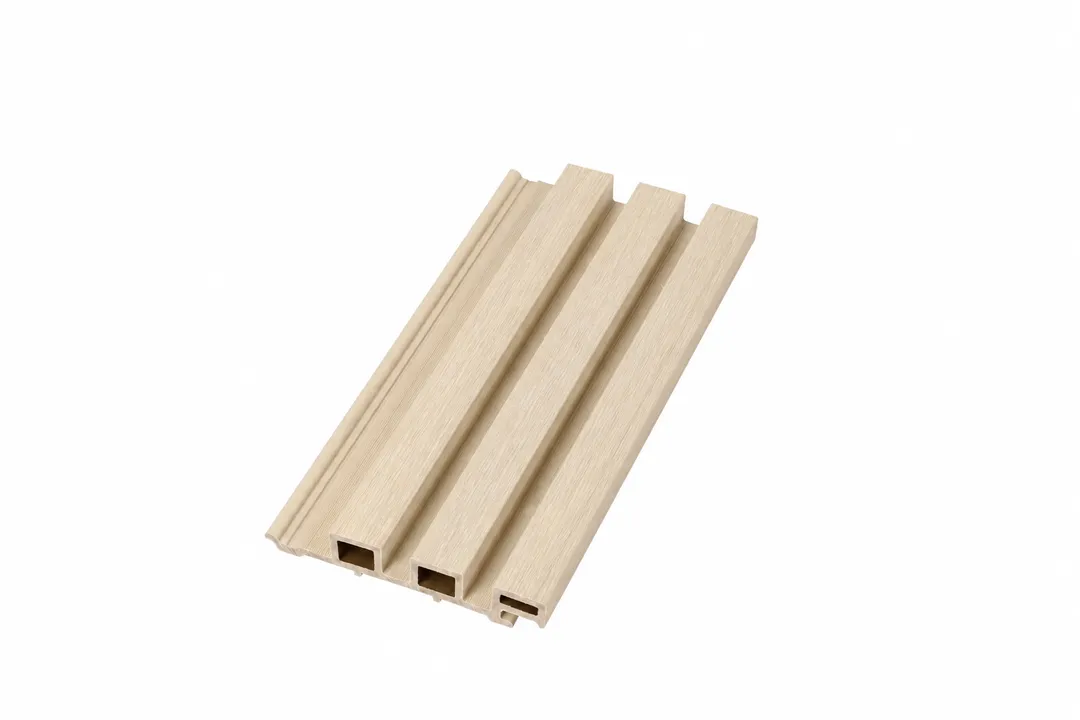
Durable, weather-resistant, and built to hold up outdoors.
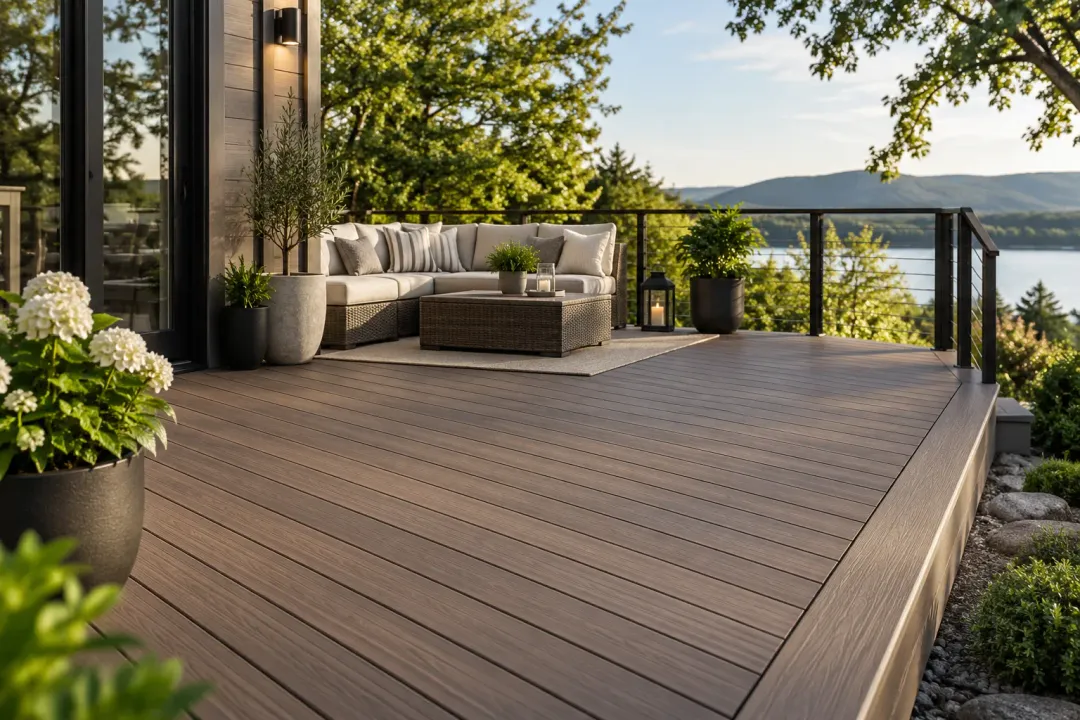
Composite decking has become one of the most popular choices for outdoor living spaces. Homeowners today want decks that look beautiful, last for many years, and require less maintenance than traditional wood. Composite decking offers all these benefits, making it a preferred option for patios, backyard decks, pool surrounds, and outdoor entertainment areas.
However, with so many products available, many people ask the same question: what is the best composite decking material?
The answer depends on several factors, including durability, appearance, maintenance requirements, weather resistance, and budget. In this guide, we will explore composite decking materials in detail and help you understand which option may be best for your needs.
Composite decking is a man made decking material created from a combination of wood fibers and plastic. Manufacturers blend these materials together to create boards that resemble natural wood while providing improved performance.
Unlike traditional wood decking, composite boards do not require frequent staining, sealing, or painting. They are designed to resist moisture, insects, and rot, making them a practical solution for outdoor environments.
Composite decking has improved significantly over the years. Modern products offer realistic wood grain patterns, rich colors, and enhanced durability.
Before deciding on the best composite decking material, it is important to understand the main types available.
Wood plastic composite, often called WPC, is the most common type of composite decking.
It combines recycled wood fibers with recycled plastic materials. The result is a strong and durable decking board that provides the appearance of wood while reducing maintenance requirements.
Advantages include:
Affordable pricing
Good durability
Natural wood appearance
Low maintenance
Disadvantages include:
Can become hot in direct sunlight
Lower quality products may fade over time
Capped composite decking includes a protective outer layer surrounding the core board.
This protective shell helps prevent moisture penetration, staining, fading, and scratching.
Advantages include:
Excellent weather resistance
Better color retention
Easier cleaning
Increased durability
Disadvantages include:
Higher initial cost
Some products may feel less natural than wood
Many experts consider capped composite decking one of the best choices available today because of its superior protection.
Although technically different from composite decking, PVC decking is often compared with composite products.
PVC boards are made entirely from plastic without wood fibers.
Advantages include:
Outstanding moisture resistance
Lightweight design
Resistant to mold and mildew
Disadvantages include:
Higher cost
Less natural appearance
Can expand and contract more with temperature changes
For areas with extreme moisture exposure, PVC decking can be an excellent option.
When evaluating composite decking materials, several features should be considered.
The best composite decking material should withstand years of use without cracking, warping, or splitting.
High quality boards are engineered to handle heavy foot traffic, outdoor furniture, and changing weather conditions.
Durability is especially important for families who use their outdoor space frequently.
Moisture is one of the biggest causes of deck damage.
Traditional wood absorbs water, leading to rot, mold, and decay.
Quality composite decking resists moisture and maintains its structural integrity even in wet climates.
Decks are constantly exposed to sunlight.
Poor quality materials may lose their color after only a few years.
The best composite decking materials contain UV protection that helps preserve color and appearance for the long term.
One of the main reasons homeowners choose composite decking is reduced maintenance.
The best materials require only occasional cleaning with soap and water.
There is no need for annual sanding, staining, or sealing.
Modern composite decking products closely resemble natural wood.
Many manufacturers offer realistic grain patterns and a variety of colors.
The best material should complement your home's design while providing a natural and attractive look.
Several manufacturers are recognized for producing high quality composite decking materials.
Trex is one of the most well known names in the composite decking industry.
The company offers multiple product lines designed for different budgets and performance needs.
Benefits include:
Strong reputation
Wide color selection
Good durability
Extensive warranty options
Trex decking is often considered one of the top choices for homeowners seeking long term value.
Deckotech is another composite decking option for homeowners and contractors looking for durable, low-maintenance outdoor decking. Its products are designed to provide the appearance of wood while offering resistance to common outdoor conditions.
Benefits include:
Wood-like appearance
Low maintenance
Good resistance to moisture
Durable construction
Suitable for residential and outdoor projects
Multiple design options
Deckotech can be a practical option for decks, patios, pool areas, and other outdoor spaces where homeowners want the look of wood with less ongoing maintenance.
TimberTech offers both composite and PVC decking products.
The brand is known for realistic wood textures and premium performance.
Benefits include:
Attractive finishes
Excellent fade resistance
Strong warranties
Durable construction
Many homeowners choose TimberTech for luxury outdoor living spaces.
Fiberon provides a balance between affordability and performance.
Their decking products feature attractive designs and reliable durability.
Benefits include:
Eco friendly materials
Variety of colors
Low maintenance
Competitive pricing
Fiberon is often recommended for homeowners looking for good value.
MoistureShield is recognized for its moisture resistant technology.
Its products are suitable for areas exposed to water and humidity.
Benefits include:
Strong moisture resistance
Durable construction
Long lifespan
Suitable for waterfront properties
Deckorators offers innovative decking materials with unique mineral based technology.
Benefits include:
Lightweight boards
Strong structural performance
Attractive appearance
Good resistance to moisture
The brand continues to gain popularity among homeowners and contractors.
Longevity is a major factor when selecting decking material.
High quality capped composite decking generally lasts between 25 and 50 years with proper care.
Premium PVC decking can also provide exceptional longevity.
Factors affecting lifespan include:
Product quality
Installation quality
Climate conditions
Maintenance practices
Investing in a premium product often results in better long term performance and lower replacement costs.
Heat retention is an important concern in sunny regions.
Some composite boards can become warm under direct sunlight.
For hot climates, consider products that offer:
Heat resistant technology
Lighter color options
Advanced surface coatings
Light gray, tan, and beige colors typically remain cooler than darker shades.
PVC decking products may also perform better in some hot weather conditions.
If your deck is near a pool, lake, or coastal environment, moisture resistance becomes critical.
Capped composite decking and PVC decking are usually the best choices.
Features to look for include:
Waterproof protection
Mold resistance
Slip resistant surfaces
Durable protective caps
These features help maintain safety and performance in wet environments.
Many homeowners appreciate the environmental advantages of composite decking.
Manufacturers often use recycled materials, including:
Recycled plastic bags
Recycled packaging
Reclaimed wood fibers
Using recycled content reduces waste and helps conserve natural resources.
Additionally, composite decking lasts longer than many wood products, reducing the need for frequent replacements.
Many people compare composite decking with traditional wood before making a final decision.
Wood requires regular staining, sealing, and repairs.
Composite decking requires minimal maintenance.
Wood can crack, split, and rot over time.
Composite decking resists these common issues.
Wood offers natural beauty but can fade and weather.
Composite decking maintains a consistent appearance for years.
Wood often has a lower upfront cost.
Composite decking generally costs more initially but can save money over time through reduced maintenance.
Composite decking prices vary depending on the manufacturer, product line, and features.
Entry level products are usually more affordable, while premium capped composites and PVC decking cost more.
When calculating costs, consider:
Decking boards
Fasteners
Framing materials
Installation labor
Long term maintenance expenses
Although the initial investment may be higher than wood, many homeowners find the long term savings worthwhile.
A warranty can tell you a lot about the quality of a composite decking product. Most leading manufacturers offer warranties that cover issues such as fading, staining, and structural defects.
Premium composite decking products often come with warranties ranging from 25 to 50 years. Some brands even provide limited lifetime coverage on certain product lines.
When comparing decking materials, consider the following:
Longer warranties generally indicate greater confidence in the product's durability and performance.
Many capped composite decking products include warranty protection against color fading and common outdoor stains.
Structural warranties help protect against manufacturing defects that could affect the strength or stability of the decking boards.
Some warranties can be transferred to a new homeowner, which may increase the value and appeal of your property.
Before making a final decision, always review the warranty details carefully to understand what is covered and any conditions that may apply.
When selecting composite decking, avoid these common mistakes.
The least expensive option is not always the best value.
Higher quality products often provide better performance and longer warranties.
Review warranty details carefully before purchasing.
Strong warranties often indicate manufacturer confidence in the product.
Consider how the deck will look with your home and landscaping.
Also think about heat absorption, especially in sunny climates.
Texture affects both appearance and slip resistance.
Choose a finish that meets your aesthetic and safety requirements.
Although composite decking requires less maintenance than wood, regular care is still beneficial.
Remove dirt, leaves, and debris to prevent buildup.
Use mild soap and water to maintain appearance.
Food, grease, and beverage spills should be cleaned promptly.
Use cleaning products recommended by the manufacturer.
Check fasteners and structural components to ensure everything remains secure.
The best composite decking material depends on your specific goals.
Ask yourself the following questions:
What is my budget?
How much maintenance am I willing to perform?
Is my climate hot, wet, or both?
Do I prefer a natural wood appearance?
How long do I expect the deck to last?
For many homeowners, premium capped composite decking offers the best balance of durability, appearance, and maintenance.
If maximum moisture resistance is the priority, PVC decking may be the better option.
If affordability is most important, standard wood plastic composite decking can still provide excellent performance.
So, what is the best composite decking material?
For most homeowners, capped composite decking stands out as the top choice. It combines the natural appearance of wood with superior protection against moisture, fading, staining, and everyday wear. Products from trusted manufacturers such as Trex, TimberTech, Fiberon, MoistureShield, and Deckorators continue to set industry standards for performance and reliability.
The right decking material ultimately depends on your budget, climate, design preferences, and long term goals. By focusing on durability, moisture resistance, appearance, and maintenance requirements, you can confidently choose a composite decking solution that enhances your outdoor space for decades.
A well selected composite deck not only improves the beauty of your home but also provides a comfortable and low maintenance outdoor living area that you and your family can enjoy for many years.
Yes, if the existing deck frame is structurally sound and free from rot or damage.
No, composite decking is resistant to termites and most wood damaging insects.
Most composite decking does not need painting or staining, and doing so may void the warranty.
High quality composite decking has textured surfaces that help improve slip resistance when wet.
Composite decking can handle most outdoor furniture, but furniture pads help prevent scratches.
Weight capacity depends on the deck frame and construction, not just the decking boards.
No, properly installed composite decking should feel solid and quiet underfoot.
Yes, composite decking is available in various colors, finishes, and wood-like textures.
Yes, many manufacturers offer matching composite stairs, railings, and accessories.
Yes, a quality composite deck can improve curb appeal and potentially increase property value.
Durable, weather-resistant, and built to hold up outdoors.
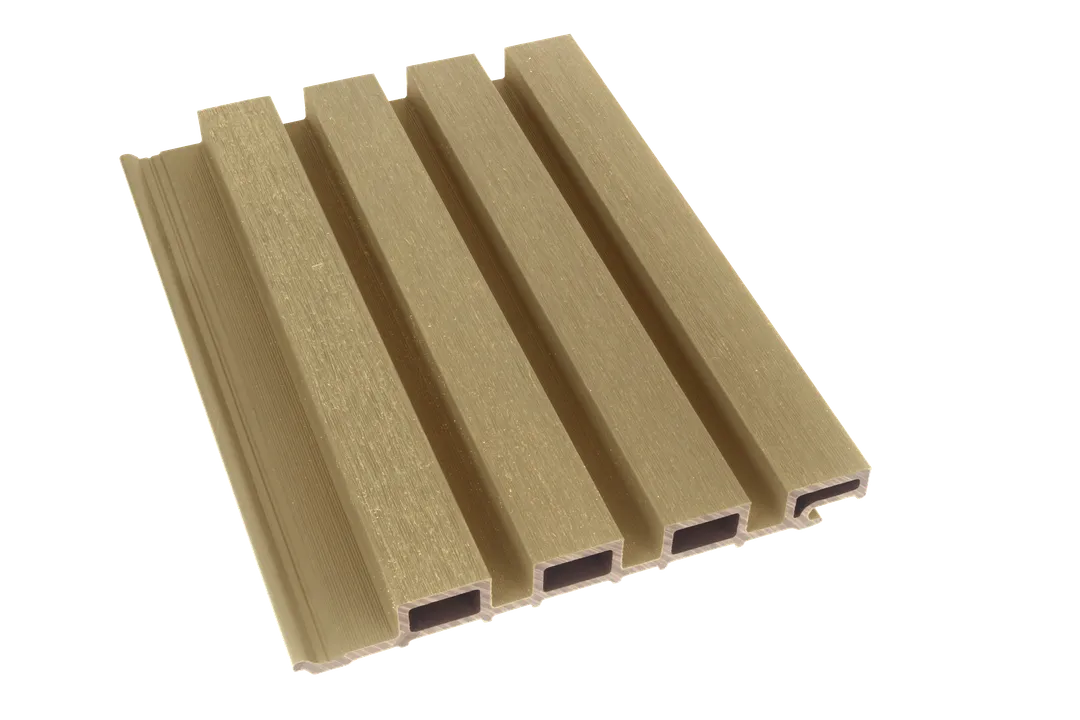
Durable, weather-resistant, and built to hold up outdoors.
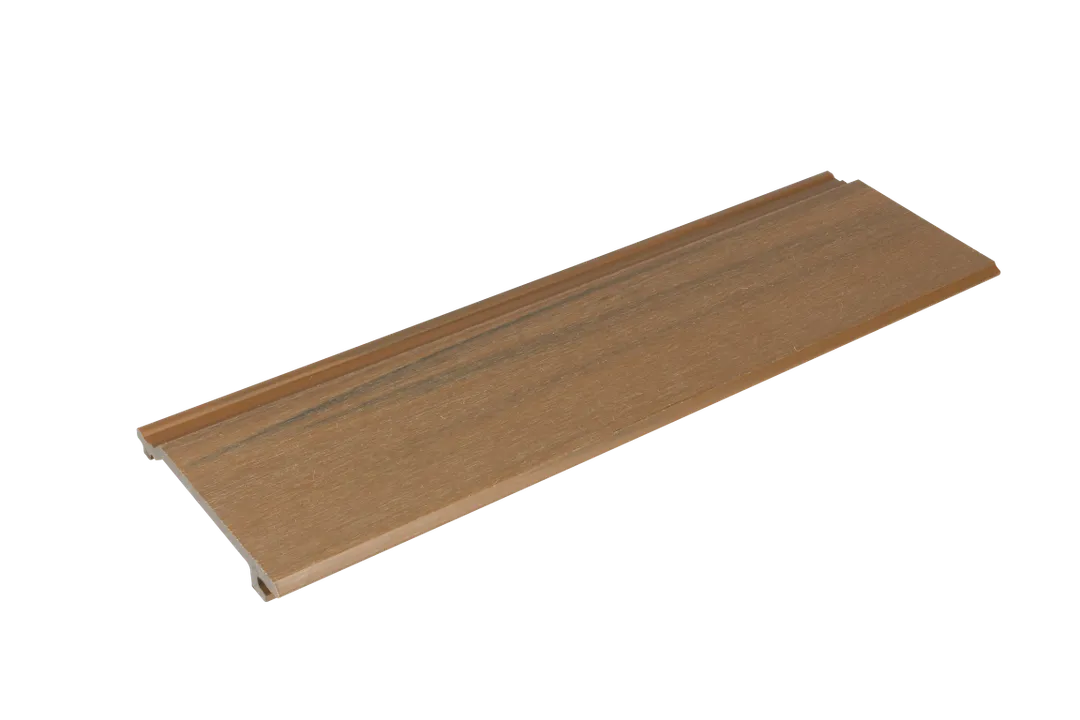
Durable, weather-resistant, and built to hold up outdoors.
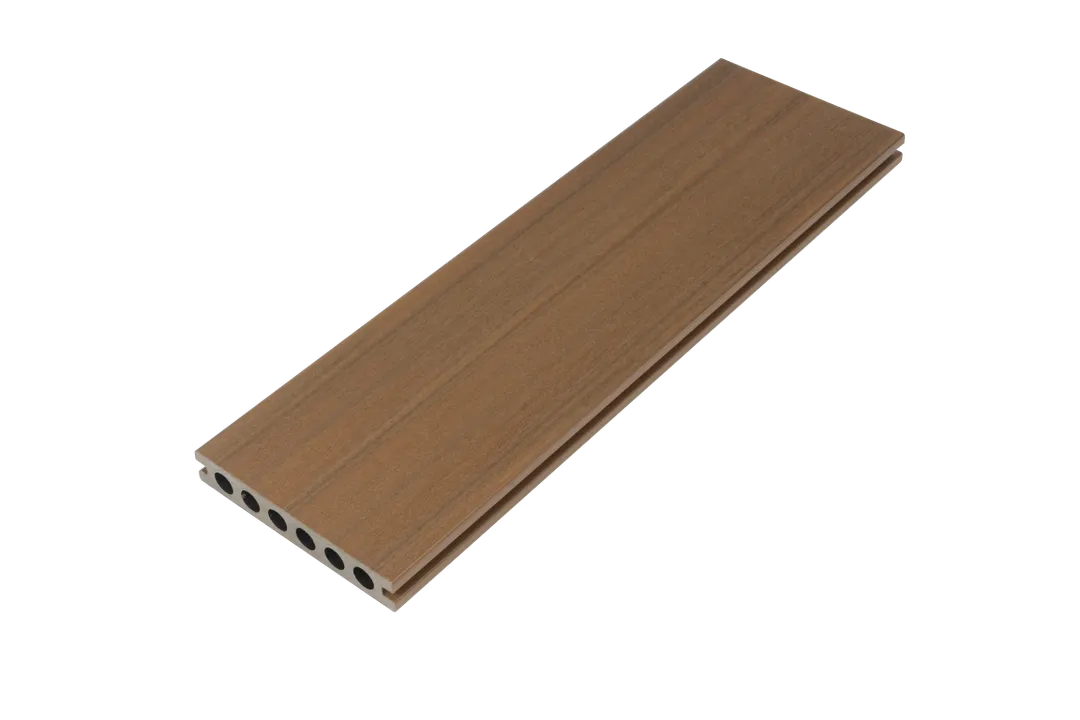
Durable, weather-resistant, and built to hold up outdoors.
Experience the texture, finish, and performance of Deckotech materials firsthand. Request a sample to evaluate the system for your next project.