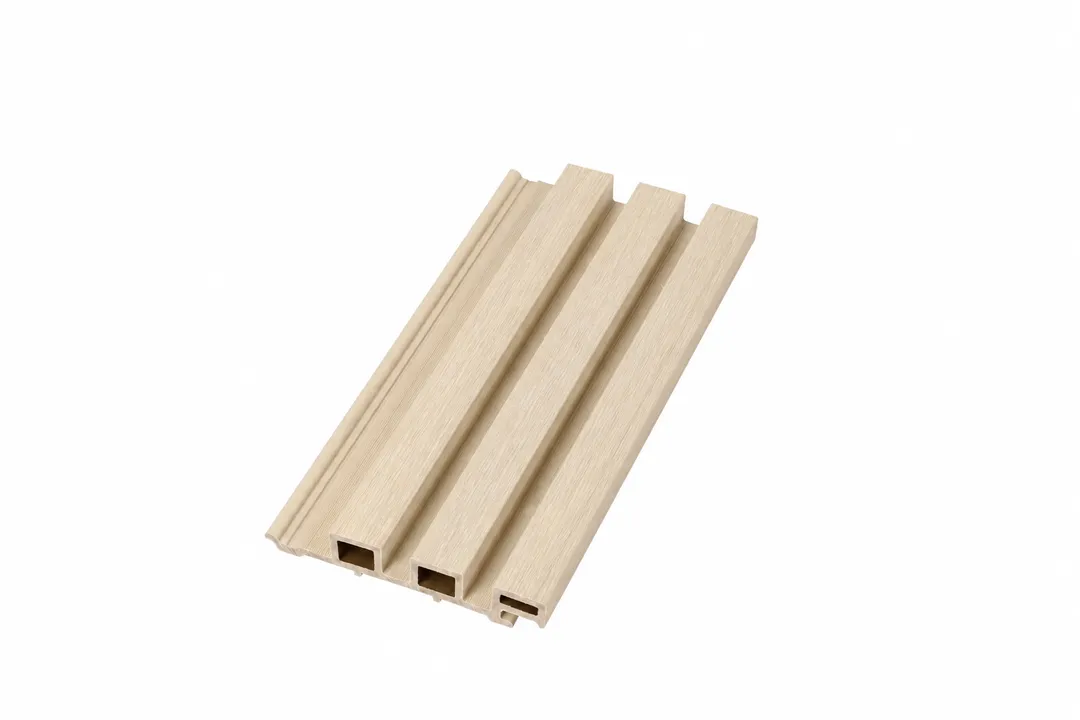
Durable, weather-resistant, and built to hold up outdoors.

Composite decking is a popular choice for outdoor spaces because it looks great and needs less maintenance than traditional wood. Many homeowners choose composite decks because they resist rot, insects, and splintering. Even though composite decking is easier to care for, it still needs regular cleaning to keep it looking fresh and attractive.
Dust, dirt, leaves, mold, food spills, grease stains, and weather changes can affect the appearance of your deck over time. A dirty deck can lose its color and become slippery, especially during rainy seasons. The good news is that cleaning composite decking is usually simple and does not require expensive tools or difficult methods.
This guide explains how to clean composite decking properly, remove common stains, prevent mold growth, and maintain your deck so it stays beautiful for years.
Before cleaning your deck, it helps to understand what composite decking is.
Composite decking is made from a combination of wood fibers and plastic materials. This mix creates a strong surface that looks similar to wood but requires less upkeep.
Unlike natural wood decks, composite decking does not need frequent sanding, staining, or painting. However, it still collects dirt and outdoor debris. Proper cleaning keeps it looking its best.
Different brands may have slightly different cleaning recommendations. Always check the manufacturer's care instructions before using cleaning products.

Cleaning composite decking regularly offers several benefits.
Outdoor spaces face constant exposure to sunlight, rain, wind, and dirt. Regular cleaning helps preserve the deck's appearance.
Moisture trapped under leaves or debris can encourage mold and mildew growth. Cleaning removes conditions that support these problems.
Wet dirt, algae, and mold can create slippery surfaces. A clean deck improves safety.
Routine maintenance prevents buildup that can damage the deck surface over time.
Most composite decks should receive basic cleaning every few weeks and a deeper cleaning at least two times each year.
You may need to clean more often if:
Your deck sits under trees
The area gets frequent rain
You host outdoor meals often
Pets regularly use the deck
Your location has heavy dust or pollen
Seasonal cleaning during spring and fall works well for most homeowners.
Before starting, gather cleaning materials.
Basic supplies include:
Soft bristle brush
Bucket
Garden hose
Mild dish soap
Warm water
Microfiber cloth
Broom
Protective gloves
For deeper cleaning, you may also need:
Composite deck cleaner
White vinegar
Baking soda
Pressure washer with low settings
Plastic scraper
Avoid metal brushes because they can scratch the deck surface.

Start by clearing the deck.
Move chairs, tables, planters, grills, rugs, and decorations.
Removing obstacles allows you to clean every area evenly. It also prevents dirt from staying trapped beneath furniture.
Check under furniture for hidden debris or moisture buildup.
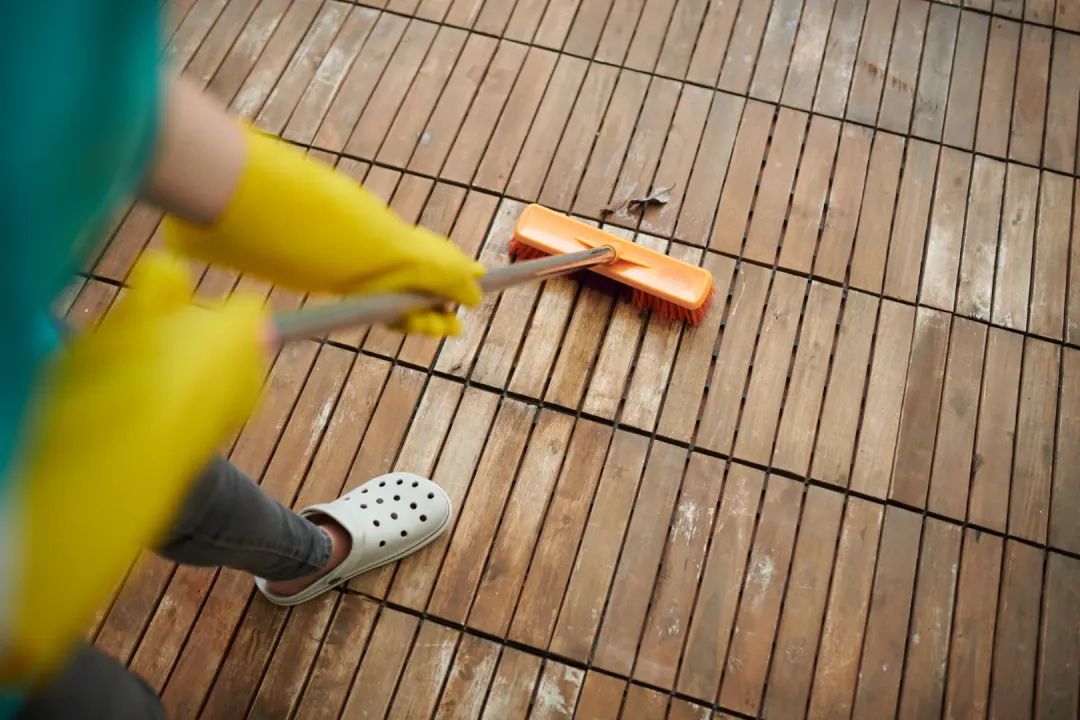
Use a broom to remove:
Leaves
Dust
Dirt
Branches
Pet hair
Pollen
Pay extra attention to gaps between deck boards.
Debris trapped in gaps can hold moisture and lead to mold growth.
Sweeping first also prevents dirt from spreading during washing.

Use a garden hose to rinse the entire surface.
Water loosens dirt and prepares the deck for deeper cleaning.
Spray evenly across all sections.
Focus on corners and edges where debris often collects.
Avoid using extremely high water pressure unless your deck manufacturer approves it.
A mild soap mixture works well for regular cleaning.
Mix:
Warm water
Small amount of dish soap
Avoid cleaners containing:
Bleach in high concentrations
Strong acids
Harsh chemicals
Abrasive powders
Strong cleaners may damage the protective surface of composite decking.
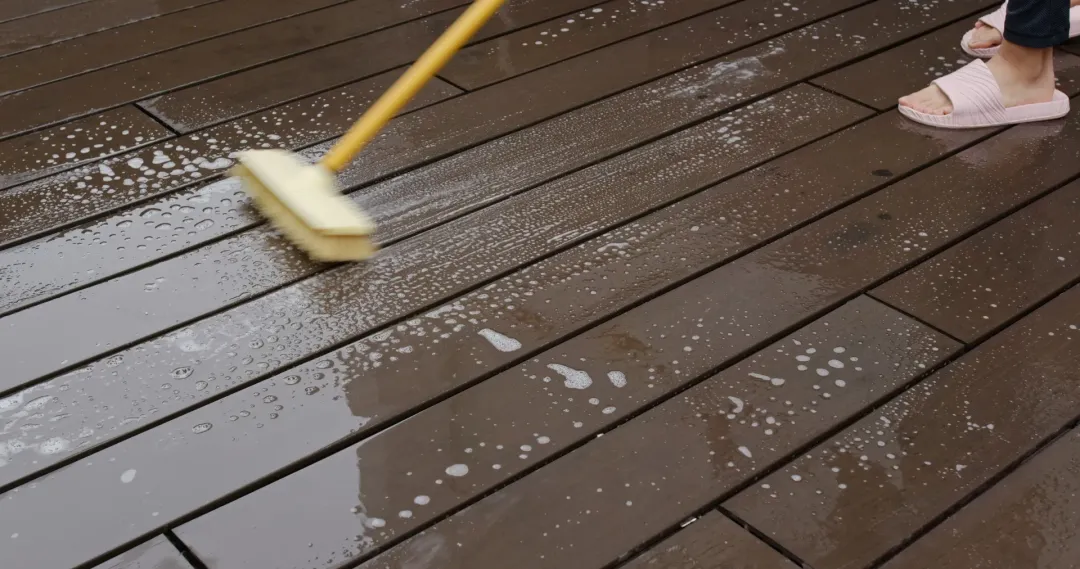
Dip your soft brush into the cleaning solution.
Scrub along the direction of the deck boards.
Use gentle pressure.
Focus on:
Dirty spots
Food stains
Areas with footprints
Corners
High traffic areas
Do not scrub aggressively.
Composite decking is durable, but rough treatment can damage the finish.
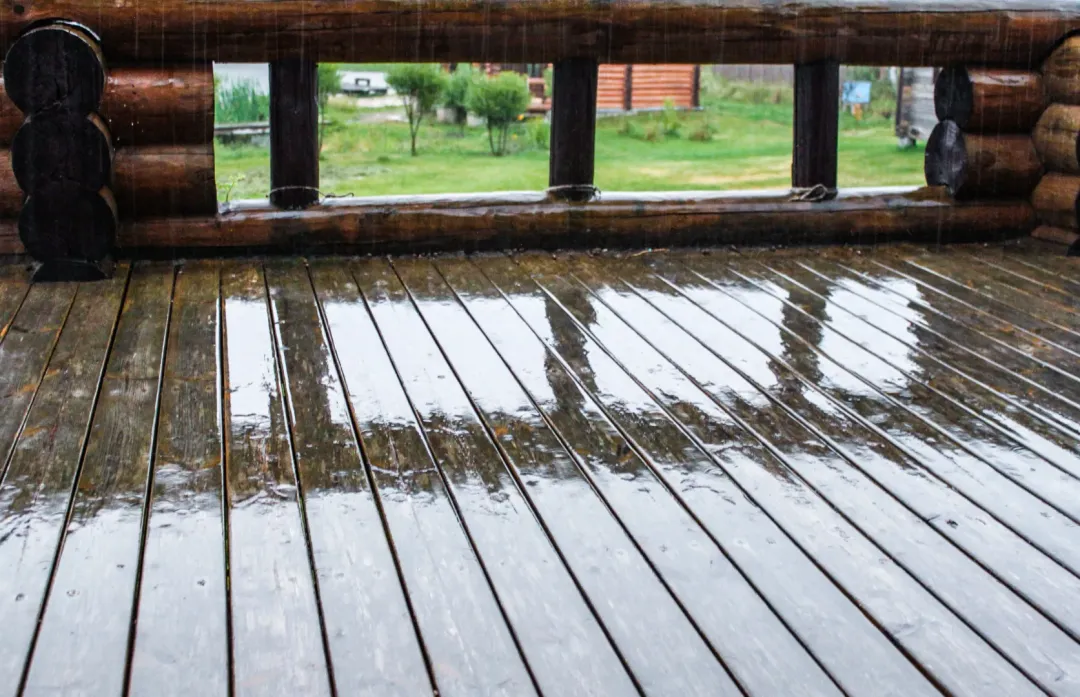
After scrubbing, rinse the deck completely.
Soap residue left behind may create streaks or attract more dirt.
Keep rinsing until water runs clear.
Allow the deck to air dry naturally.
Mold and mildew can appear on composite decking, especially in damp environments.
Signs include:
Dark spots
Green patches
Slippery surfaces
Musty smells
To clean mold:
Sweep the area.
Mix warm water with mild soap.
Scrub gently.
Rinse thoroughly.
For stubborn mold, try white vinegar.
Mix equal parts water and white vinegar.
Apply the solution to affected areas.
Let it sit for several minutes.
Scrub gently and rinse well.
Avoid allowing moisture to remain on the deck for long periods.
Outdoor cooking often leads to grease stains.
Grease can become harder to remove if left too long.
For fresh grease:
Blot excess grease with paper towels.
Apply dish soap mixed with warm water.
Scrub gently.
Rinse fully.
For tougher stains:
Sprinkle baking soda over the stain.
Add a small amount of water.
Allow it to sit for a few minutes.
Scrub lightly.
Rinse thoroughly.
Quick cleanup gives the best results.
Oil stains from grills, machinery, or outdoor equipment may need extra attention.
Start by cleaning immediately.
Use:
Warm water
Mild soap
Soft brush
For stubborn oil spots, use a composite deck cleaner designed for oil removal.
Always follow product instructions carefully.
Avoid using harsh solvents.
Metal furniture or tools sometimes leave rust marks.
Rust stains can often be reduced with gentle cleaning.
Try these steps:
Wet the stained area.
Apply mild soap.
Scrub gently.
Rinse completely.
For tougher rust marks, use a composite-safe stain remover.
Test products on a hidden area first.
Leaves left on composite decking for long periods can create dark stains.
Wet leaves are especially problematic.
To remove leaf stains:
Sweep away debris
Wash with soap and water
Scrub lightly
Rinse well
Regular sweeping prevents future staining.
Hard water can leave mineral deposits on decking.
These marks often appear white or cloudy.
Mix equal parts water and white vinegar.
Apply to affected areas.
Let it sit briefly.
Wipe gently with a soft cloth.
Rinse completely afterward.
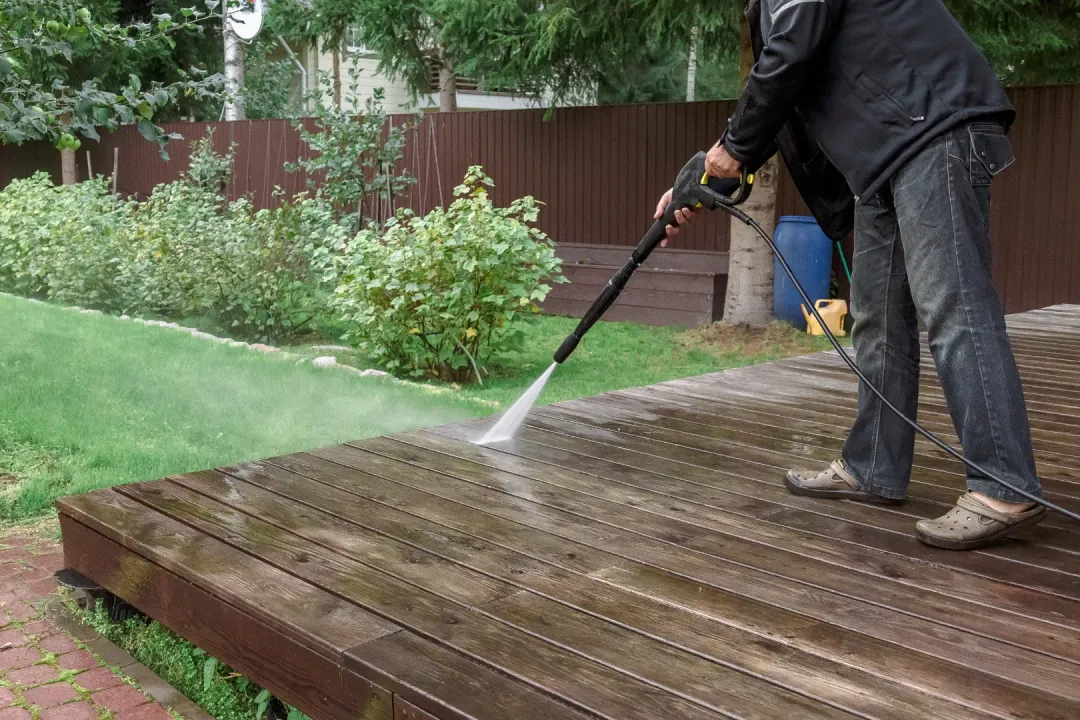
Some composite decks allow pressure washing.
Check manufacturer guidelines first.
Pressure washers can damage decking if used incorrectly.
If pressure washing is approved:
Use low pressure settings
Keep nozzle distance safe
Spray with board direction
Avoid concentrated spraying
Excessive pressure may damage protective coatings.
A garden hose often works well enough for routine cleaning.
Winter weather can create additional deck care challenges.
Snow and ice may collect on composite decking.
To clean safely:
Use a plastic shovel.
Avoid metal shovels because they may scratch the surface.
Remove snow promptly.
For ice:
Use products approved for composite decking.
Do not use rock salt unless manufacturer instructions allow it.
Rock salt may affect certain deck materials.
Spring is a great time for deeper maintenance.
Winter weather often leaves dirt and debris behind.
Spring deck cleaning steps:
Remove furniture
Sweep thoroughly
Wash with soap and water
Inspect for stains
Check drainage areas
Look for mold growth that may have developed during colder months.
Summer brings heavy outdoor use.
Protect your deck during warm months.
Helpful tips:
Clean food spills quickly
Use mats beneath grills
Sweep weekly
Remove standing water
Direct sunlight may also heat deck surfaces.
Routine cleaning helps maintain appearance.
Falling leaves increase cleaning needs.
Leaves trap moisture and create stain risks.
Fall maintenance includes:
Frequent sweeping
Removing wet leaves
Clearing deck gaps
Deep cleaning before winter
Preventive care reduces spring cleanup work.
Cleaning composite decking incorrectly may cause problems.
Avoid these mistakes.
Metal bristles may scratch deck surfaces.
Choose soft brushes instead.
Food, grease, and oil stains become harder to remove over time.
Clean spills quickly.
Harsh cleaners may damage protective finishes.
Stick with mild cleaning solutions.
High pressure can wear down deck surfaces.
Follow pressure guidelines carefully.
Leaves and dirt hold moisture.
Frequent sweeping helps prevent mold.
Proper maintenance goes beyond cleaning.
Simple habits help protect your deck.
Outdoor furniture can scratch decking.
Protective pads reduce wear.
Overflowing gutters may create excess moisture.
Proper drainage protects outdoor surfaces.
Plants that touch the deck may increase moisture buildup.
Keep bushes and branches trimmed.
Good ventilation helps reduce mold growth.
Avoid blocking airflow beneath the deck.
Quick action prevents permanent stains.
Bleach is not always recommended.
Some manufacturers allow diluted bleach for mold removal.
Others advise against it.
Strong bleach solutions may affect color or surface quality.
Check manufacturer guidelines before use.
Mild soap usually provides safe cleaning for most situations.
White vinegar is often safe when diluted.
It can help remove mold and water stains.
However, using strong vinegar solutions too often may affect some deck materials.
Dilute properly.
Rinse thoroughly after use.
Always test in a small hidden area first.
Steam cleaners may work for certain composite decking products.
However, excessive heat could affect some materials.
Review manufacturer instructions before trying steam cleaning.
Gentle cleaning methods usually provide sufficient results.
Preventive care reduces cleaning time.
Helpful habits include:
Sweep weekly
Clean spills quickly
Remove leaves often
Use outdoor mats
Keep drainage areas clear
Small maintenance steps make a big difference.
Your deck may need attention if you notice:
Surface discoloration
Dirt buildup
Slippery spots
Mold growth
Water stains
Food stains
Dull appearance
Cleaning early prevents tougher maintenance later.
A maintenance routine keeps deck care manageable.
Sweep debris
Check for spills
Remove standing water
Inspect for mold
Clean problem spots
Check deck gaps
Deep clean
Inspect furniture areas
Remove buildup
Regular care reduces major cleaning work.
Many homeowners prefer environmentally friendly cleaning methods.
Simple options include:
Mild soap
White vinegar
Warm water
Baking soda
These methods often clean effectively without strong chemicals.
Use only what is necessary.
Avoid overusing cleaning products.
Some situations may require expert help.
Consider professional cleaning if:
Mold keeps returning
Large stains remain
Decking appears damaged
Manufacturer recommends specialized care
Professional cleaning services may help restore difficult areas safely.
Composite decking offers beauty, durability, and easier maintenance than traditional wood. Still, regular cleaning remains important for keeping your outdoor space attractive and safe.
Simple care routines like sweeping, rinsing, and gentle washing help preserve your deck's appearance. Quick spill cleanup and seasonal maintenance prevent many common problems before they become serious.
Avoid harsh chemicals, rough scrubbing tools, and excessive pressure washing. Mild cleaning methods usually provide excellent results.
With regular attention and proper care, composite decking can stay clean, inviting, and enjoyable for many years. A little maintenance today helps protect your outdoor investment and keeps your deck ready for relaxing evenings, family gatherings, and outdoor enjoyment throughout every season.
Yes, composite decking may experience some fading after long exposure to sunlight and weather. Most modern composite decking products are designed to resist major color fading.
Composite decking is moisture resistant but not completely waterproof. Water can still collect on the surface or between boards if drainage is poor.
Pets usually do not damage composite decking, but sharp claws may leave marks on certain surfaces. Cleaning pet accidents quickly can also help prevent staining.
Yes, but choose rugs designed for outdoor use. Some rugs can trap moisture beneath them, which may lead to staining or mold growth.
Composite decking can become warm during hot weather, especially darker colored boards. Lighter colors may stay cooler.
Very heavy furniture or dragging furniture across the surface may create scratches or pressure marks. Furniture pads can help reduce this risk.
Some fire pits may generate heat that affects composite decking. A heat barrier or protective mat is often recommended.
Yes, bird droppings can leave stains if left too long. Cleaning them quickly helps protect the deck surface.
Composite decking is generally more resistant to insects than natural wood because it contains plastic materials.
Composite decking is designed for durability, but extreme weather changes, heavy impact, or poor installation may increase the risk of cracking over many years.
Durable, weather-resistant, and built to hold up outdoors.
Durable, weather-resistant, and built to hold up outdoors.
Durable, weather-resistant, and built to hold up outdoors.
Durable, weather-resistant, and built to hold up outdoors.
Experience the texture, finish, and performance of Deckotech materials firsthand. Request a sample to evaluate the system for your next project.