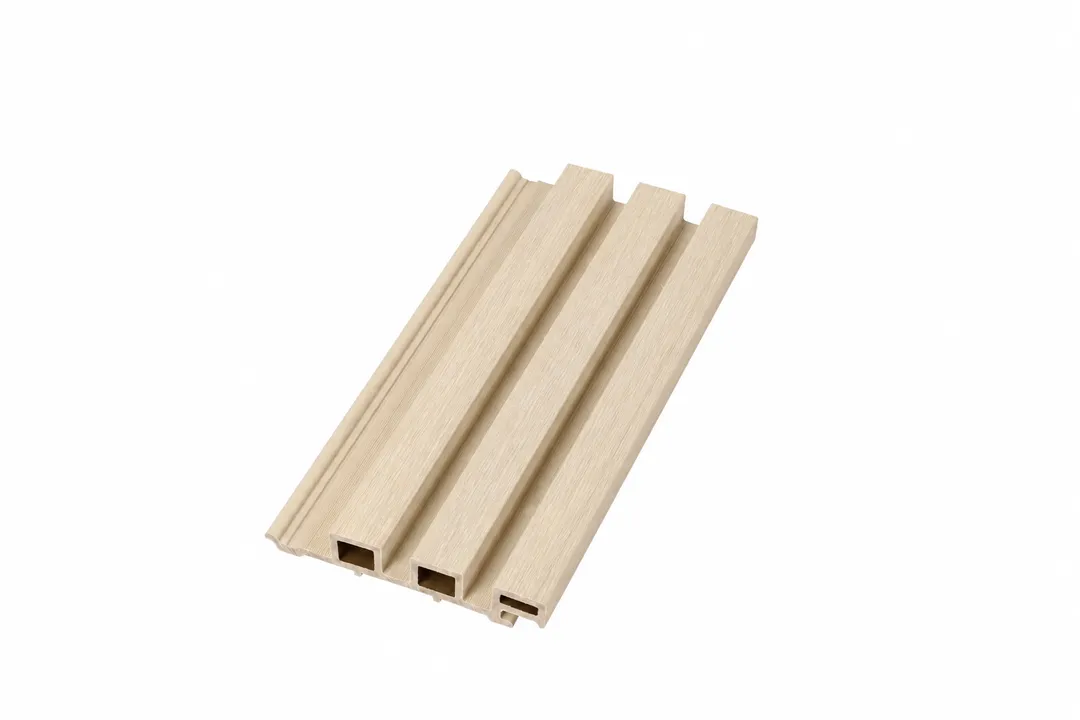
Durable, weather-resistant, and built to hold up outdoors.
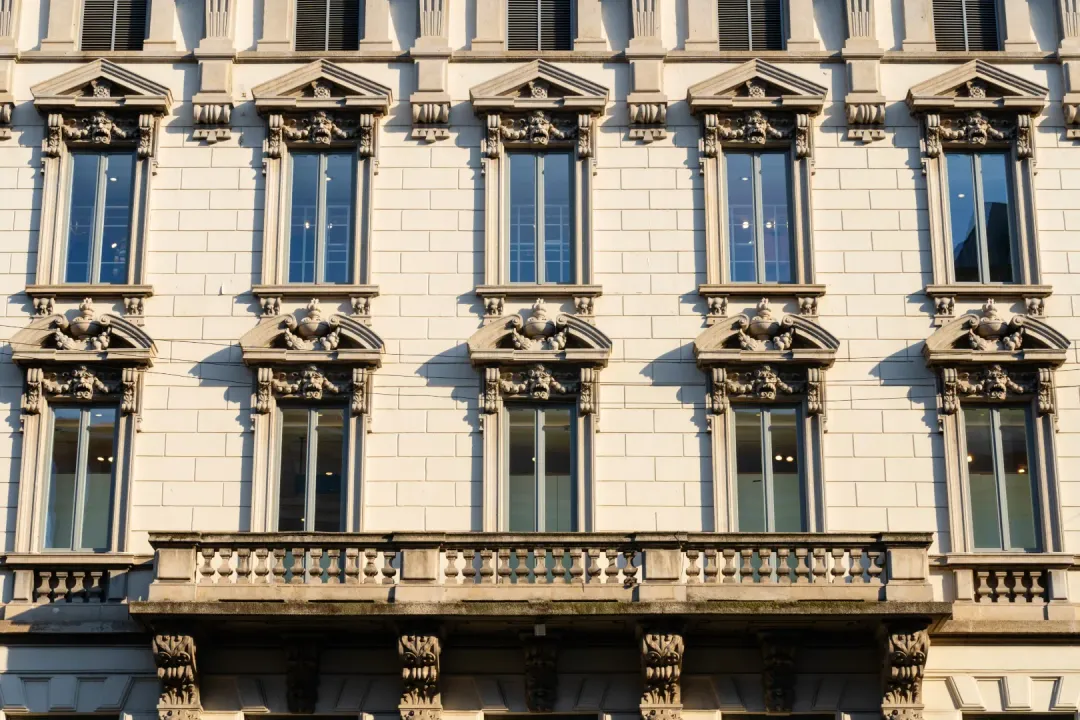
When people look at a building, the first thing they usually notice is its outside appearance. Some buildings look modern with large glass walls, while others have classic brick or stone exteriors. The part of a building that creates this first impression is called the facade.
The facade is one of the most important parts of any building. It affects how the structure looks, how much natural light enters the interior, and even how energy efficient the building can be. Architects spend a lot of time designing facades because they play a major role in both appearance and performance.
In this article, we will explain what a facade is, why it is important, the different types of facades, common materials used in facade construction, and how facades influence modern architecture.
A facade is the exterior face or front of a building. It is usually the side that faces a street, public space, or main entrance. In architecture, the term facade can refer to any exterior side of a building, but it is most often used to describe the front view.
The facade acts as the visible skin of a structure. It covers and protects the building while also creating its overall appearance. A well-designed facade can make a building attractive, functional, and efficient.
For example, when you see a shopping mall with a glass front or a historic building with decorative stonework, you are looking at its facade.
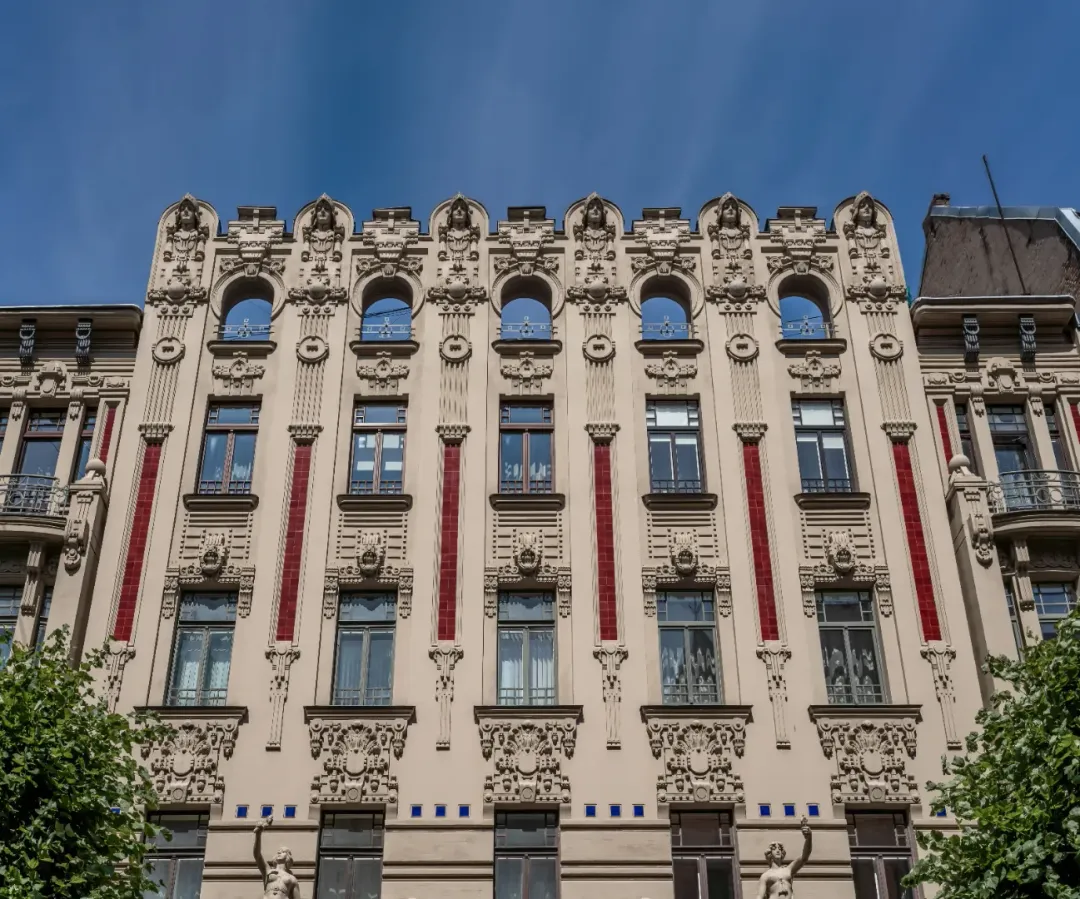
A facade is much more than decoration. It serves several important purposes.
The facade is the first thing people notice. It gives a building its identity and character. Whether a building looks modern, traditional, luxurious, or simple depends largely on its facade design.
The facade acts as a protective layer against weather conditions such as rain, wind, sunlight, snow, and dust. Without a strong facade, the building could suffer damage over time.
Modern facades help control heat and light entering a building. They can reduce energy consumption by keeping interiors cooler in summer and warmer in winter.
Buildings with attractive and durable facades often have higher market value. A good facade can make a property more appealing to buyers, tenants, and visitors.
Facades help regulate indoor temperature, improve ventilation, and reduce noise from outside. This creates a more comfortable environment for occupants.
The facade performs many practical functions that contribute to the overall performance of a building.
One of the primary functions of a facade is protecting the building from external weather conditions. It helps keep rainwater out and shields the structure from wind and sunlight.
Facades help reduce heat transfer between the interior and exterior. This improves energy efficiency and lowers heating and cooling costs.
A well-designed facade can reduce noise from traffic, construction sites, and other outdoor sources.
The facade forms part of the building's security system by providing a physical barrier between the interior and exterior.
Architects use facades to create unique designs that reflect the purpose and style of a building.
Facades have been part of architecture for thousands of years.
In ancient civilizations, facades were often decorated with carvings, columns, and sculptures. Ancient Greek and Roman buildings featured impressive facades that displayed power and beauty.
During the medieval period, churches and castles had highly detailed facades with decorative stonework.
In the Renaissance era, architects focused on symmetry and proportion in facade design.
The Industrial Revolution introduced new materials such as steel and glass, allowing architects to create larger and more innovative facades.
Today, modern technology enables the construction of advanced facade systems that combine beauty, efficiency, and sustainability.
There are several types of facades used in modern construction.
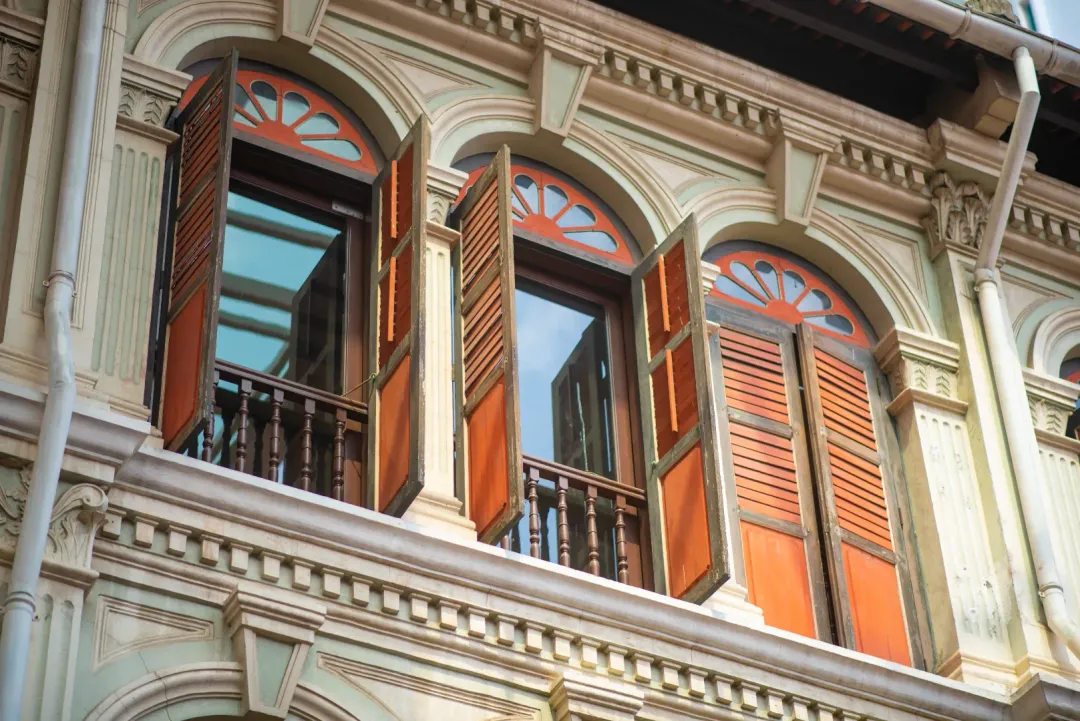
Traditional facades use materials such as brick, stone, wood, or concrete. These facades are common in residential buildings, historic structures, and traditional architectural styles.
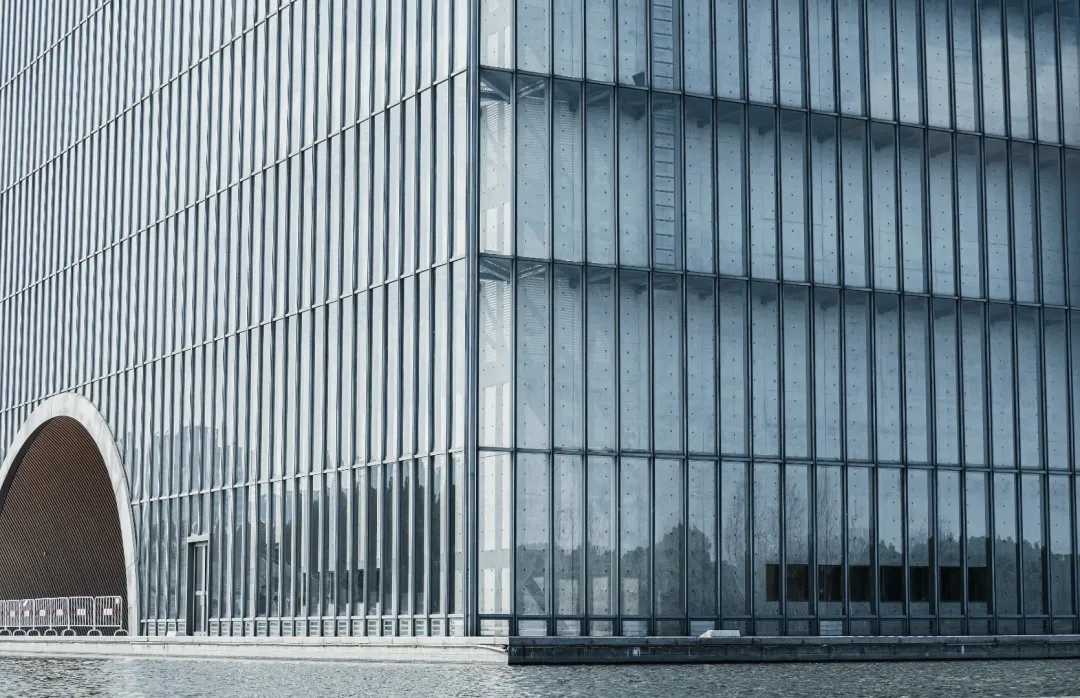
A curtain wall facade is a lightweight exterior wall that does not support the building's structural load. It is commonly made of glass and aluminum.
This type of facade is popular in office towers and commercial buildings because it allows large amounts of natural light to enter.
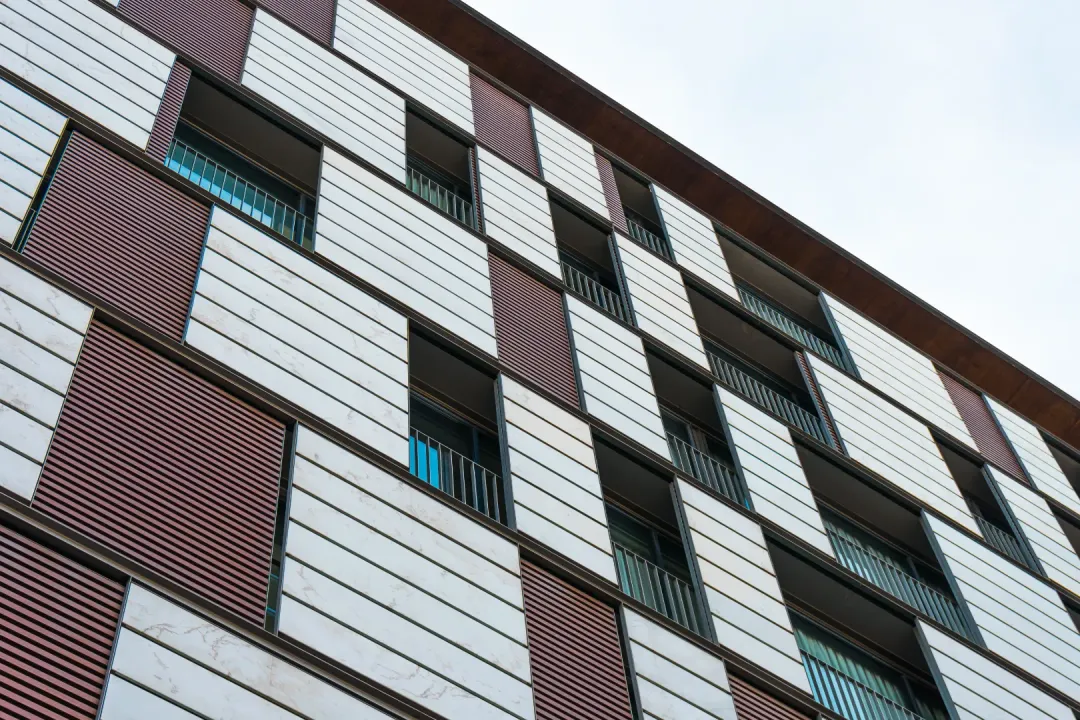
A ventilated facade includes an air gap between the outer cladding and the building wall. This gap improves airflow and helps regulate temperature.
Ventilated facades are known for their energy efficiency and durability.
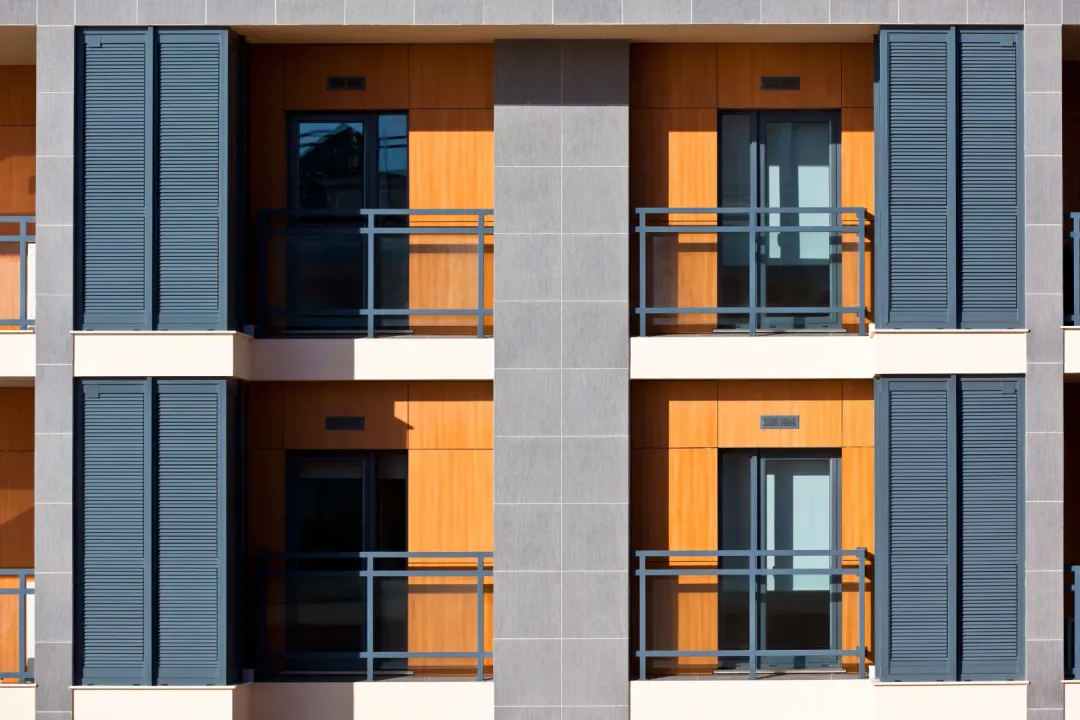
A double skin facade consists of two layers of exterior walls separated by an air cavity.
This design improves insulation, reduces energy consumption, and enhances indoor comfort.
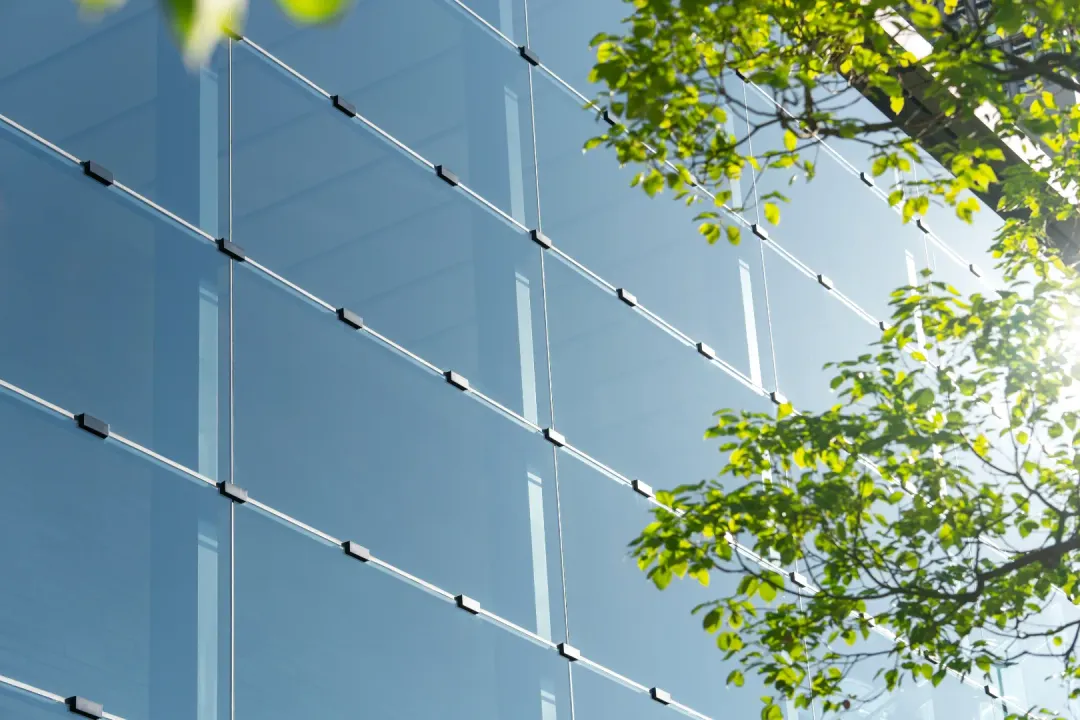
Structural glazing uses large glass panels attached directly to the building structure.
This creates a smooth and modern appearance with minimal visible framing.
Many materials can be used to create a facade. Each material has its own advantages and appearance.
Glass is one of the most popular facade materials in modern architecture.
Benefits include:
Natural light
Modern appearance
Energy efficiency when combined with advanced glazing systems
Glass facades are commonly used in office buildings, hotels, and commercial properties.
Brick has been used for centuries because it is strong, durable, and attractive.
Advantages include:
Long lifespan
Low maintenance
Good insulation
Brick facades are common in homes, schools, and traditional buildings.
Stone creates a premium and timeless appearance.
Benefits include:
Durability
Weather resistance
Elegant appearance
Stone facades are often found on luxury homes and historic buildings.
Metal facades can be made from aluminum, steel, copper, or zinc.
Advantages include:
Lightweight construction
Modern appearance
High durability
Metal facades are widely used in commercial and industrial buildings.
Concrete is strong, versatile, and cost effective.
Benefits include:
Structural strength
Fire resistance
Design flexibility
Concrete facades can be shaped into many forms and finishes.
Wood provides a natural and warm appearance.
Advantages include:
Attractive design
Sustainable options
Natural insulation
Wood facades are commonly used in residential and eco-friendly projects.
Facade design continues to evolve as architects explore new technologies and materials.
Many modern buildings use environmentally friendly facade systems that reduce energy use and support green building goals.
Examples include solar panels, recycled materials, and energy efficient glass.
Smart facades use technology to respond to environmental conditions.
For example, some facades automatically adjust shading systems based on sunlight levels.
Green facades include plants and vegetation growing on building exteriors.
Benefits include:
Improved air quality
Better insulation
Attractive appearance
Dynamic facades change their appearance or function throughout the day.
These systems can move, open, close, or adjust based on weather conditions.
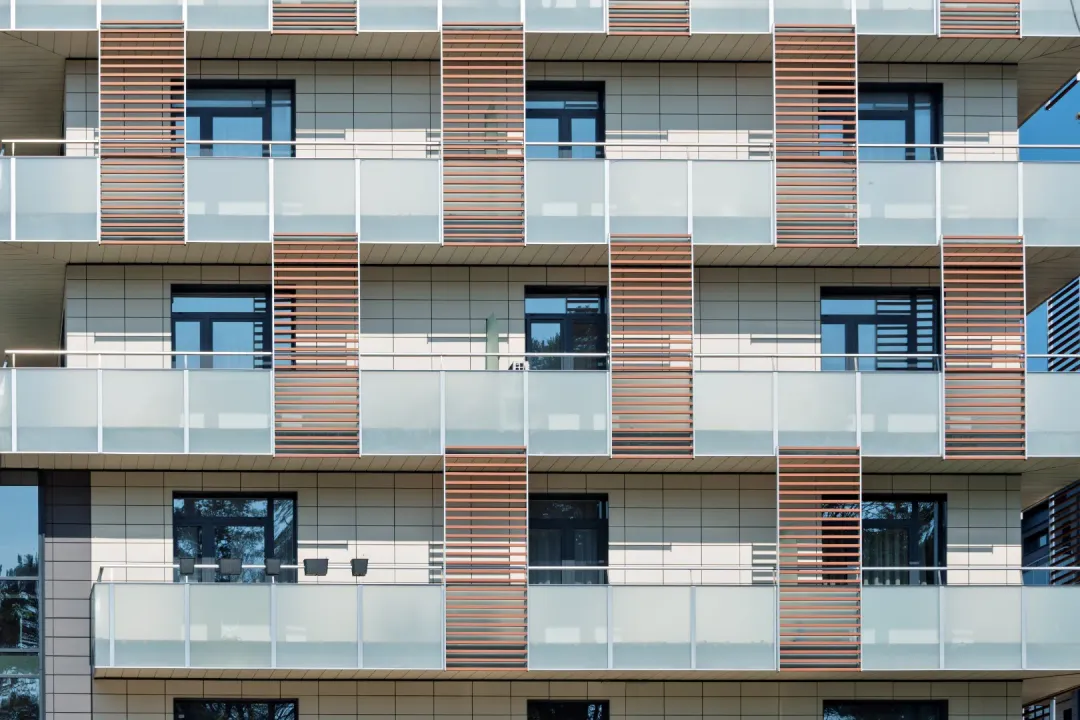
Facades are important in homes because they influence curb appeal and property value.
Residential facades often combine materials such as brick, stone, wood, and glass.
Homeowners may choose facade designs based on:
Architectural style
Climate conditions
Maintenance requirements
Budget
A well-designed residential facade creates a welcoming appearance and improves comfort.
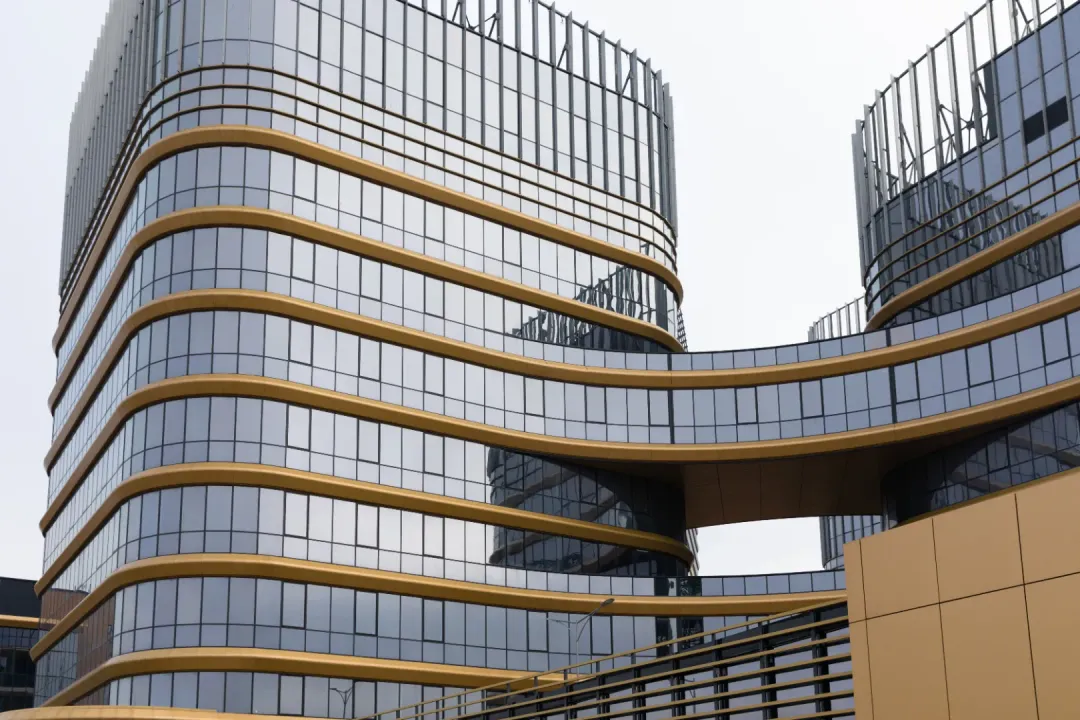
Commercial buildings rely heavily on facade design.
Businesses use facades to:
Attract customers
Create a strong brand image
Improve energy efficiency
Enhance employee comfort
Glass curtain walls are particularly popular in commercial construction because they provide a professional and modern appearance.
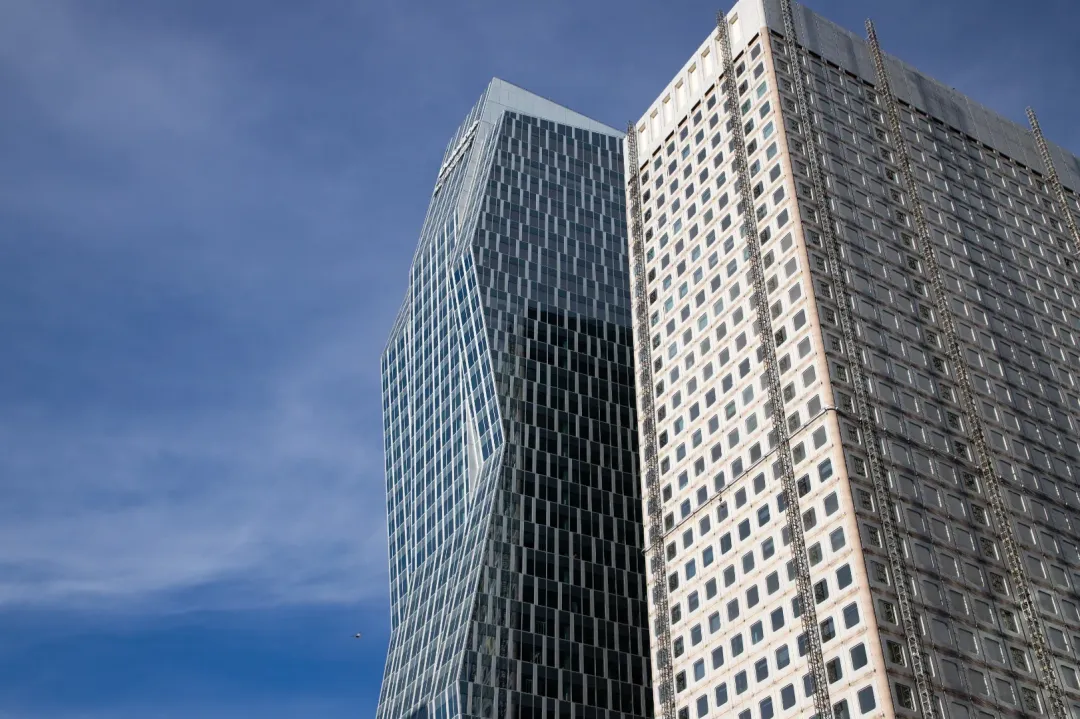
High rise buildings face unique challenges due to their height.
Their facades must withstand:
Strong winds
Temperature changes
Rain and moisture
Structural movement
Engineers carefully design high rise facades to ensure safety, durability, and performance.
Advanced materials and construction techniques are often used to meet these requirements.
Energy efficiency has become a major consideration in modern architecture.
A properly designed facade can significantly reduce energy consumption.
Insulated facade systems help maintain indoor temperatures and reduce heating and cooling needs.
Special coatings and shading devices can limit unwanted heat from sunlight.
Large windows and glass facades allow daylight to enter, reducing the need for artificial lighting.
Buildings with energy efficient facades often have lower operating expenses over time.
Although facades offer many benefits, they also present certain challenges.
High quality facade systems can be expensive to design and install.
Some materials require regular cleaning and maintenance.
For example, glass facades need frequent washing to maintain their appearance.
Different climates require different facade solutions.
A facade suitable for a hot climate may not perform well in a cold region.
Facade systems must comply with building codes and safety regulations.
This is especially important for tall buildings.
Regular maintenance helps extend the lifespan of a facade.
Common maintenance activities include:
Cleaning surfaces
Inspecting seals and joints
Repairing damaged panels
Replacing worn materials
Checking for water leaks
Proper maintenance keeps the facade attractive and functional for many years.
Designing a facade involves a combination of creativity and technical planning.
Architects consider several factors:
The facade should reflect the building's function.
For example, a corporate office may require a professional appearance, while a museum may feature a more artistic design.
Local weather conditions influence material selection and facade performance.
The available budget affects material choices and design complexity.
Many projects aim to reduce environmental impact through efficient facade systems.
Architects must ensure the facade meets safety and construction standards.
Many famous buildings are known for their remarkable facades.
Examples include:
Glass skyscrapers with reflective curtain walls
Historic stone cathedrals with detailed carvings
Modern museums with unique geometric exteriors
Eco-friendly buildings covered with plants and greenery
These examples show how facades can become defining features of architecture.
The future of facade design looks exciting.
Emerging technologies are making facades more intelligent, sustainable, and efficient.
Future developments may include:
Solar energy generating facades
Self-cleaning surfaces
Advanced smart glass
Improved insulation materials
As technology advances, facades will continue to play a major role in creating environmentally responsible and visually appealing buildings.
A facade is the exterior face of a building that combines beauty with functionality. It creates the first impression of a structure while also protecting it from weather, improving energy efficiency, reducing noise, and enhancing comfort.
From traditional brick walls to modern glass curtain systems, facades have evolved significantly over time. Today, architects use a wide variety of materials and technologies to design facades that are attractive, durable, and sustainable.
Whether it is a family home, office tower, shopping center, or skyscraper, the facade remains one of the most important elements of any building. A well-designed facade not only improves appearance but also contributes to the overall performance and value of the structure.
Disclaimer: This article is for informational purposes only and should not be considered professional architectural, engineering, or construction advice. Always consult qualified professionals for project-specific guidance.
Yes, a building can have multiple facades, with each exterior side considered a facade.
A facade is the entire exterior face of a building, while cladding is one material layer used on the facade.
A building facade can last from 30 to over 100 years, depending on materials and maintenance.
Yes, old building facades can be renovated to improve appearance, safety, and energy efficiency.
Facade engineering is the design and testing of building exteriors for performance, safety, and durability.
Yes, modern glass facades are engineered to withstand strong winds and severe weather conditions.
A well-designed facade can improve ventilation and support better indoor air quality.
A media facade is a building exterior that uses digital screens or LED lighting to display content.
Yes, facade materials influence fire resistance and must meet local building safety regulations.
Architects select facade materials based on climate, budget, durability, maintenance, and design goals.
Durable, weather-resistant, and built to hold up outdoors.
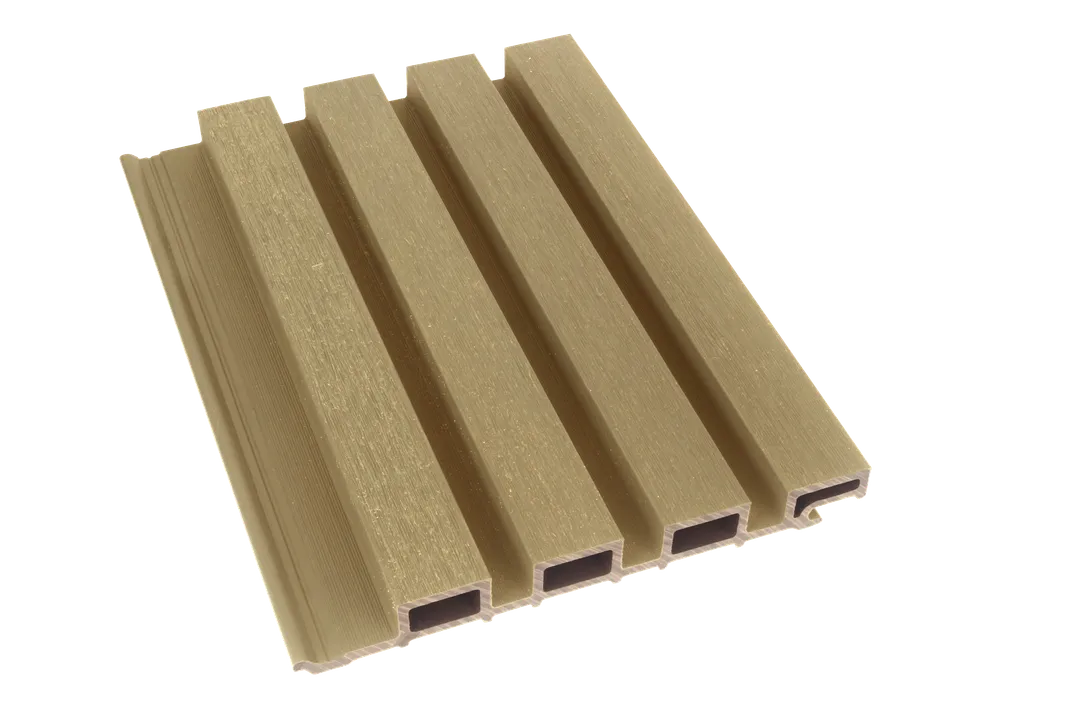
Durable, weather-resistant, and built to hold up outdoors.
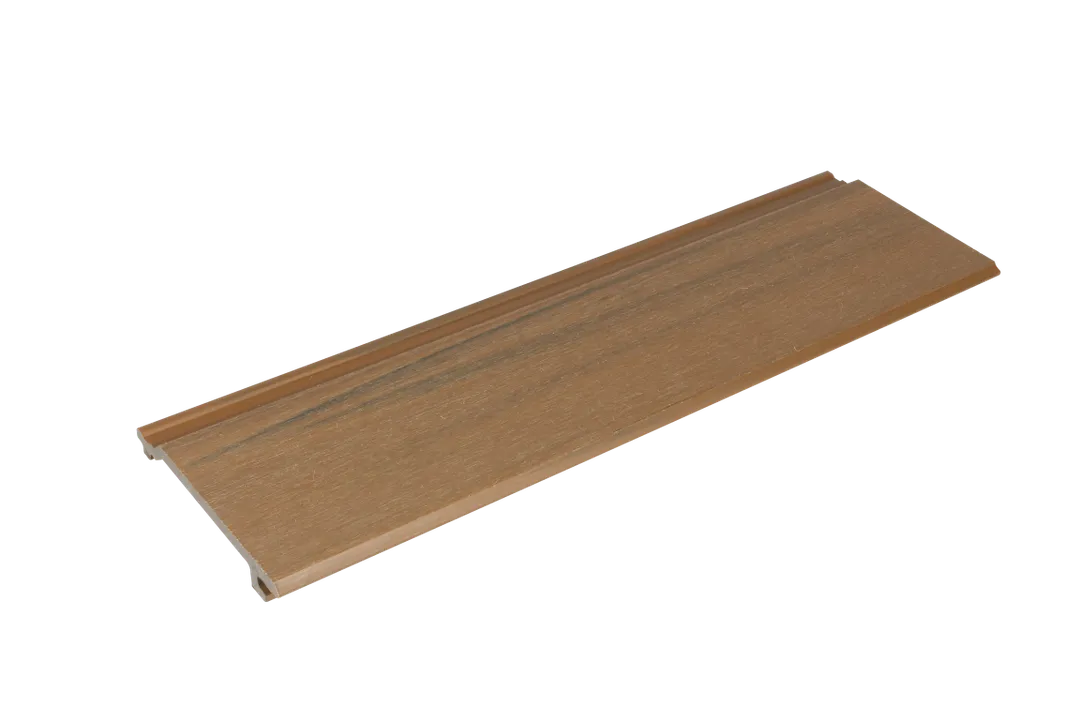
Durable, weather-resistant, and built to hold up outdoors.
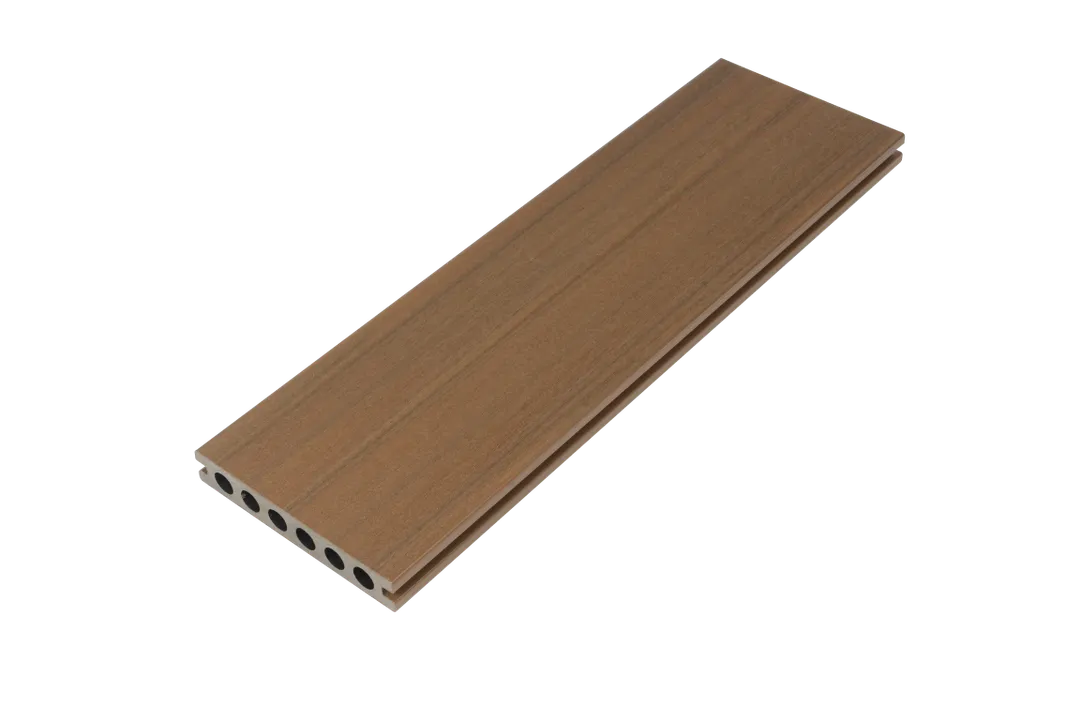
Durable, weather-resistant, and built to hold up outdoors.
Experience the texture, finish, and performance of Deckotech materials firsthand. Request a sample to evaluate the system for your next project.