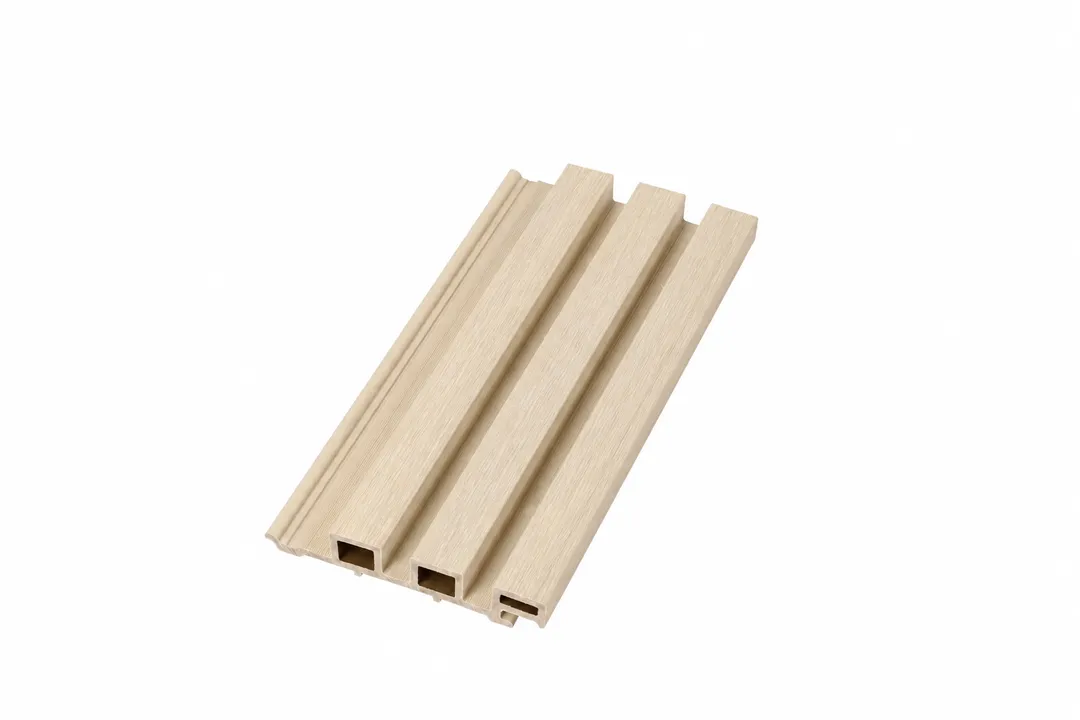
Durable, weather-resistant, and built to hold up outdoors.
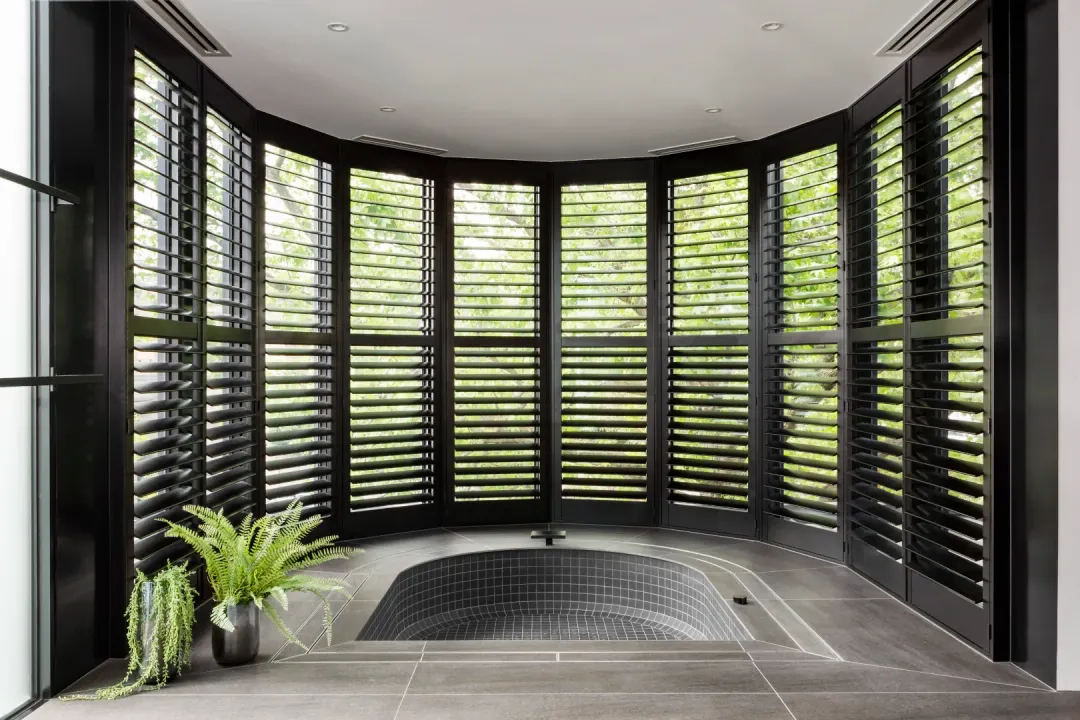
Louvers are an important part of modern buildings and ventilation systems. They are used in homes, offices, factories, shopping malls, and many other structures. Even though many people see louvers every day, they may not know what they are called or how useful they can be.
Louvers help with airflow, ventilation, sunlight control, privacy, and protection from rain or dust. They are available in many styles, sizes, and materials depending on the purpose and location where they are used.
In this blog, we will understand what louvers are, the different types of louvers, the materials used to make them, and their common uses in buildings and industries.
Louvers are structures made with horizontal or vertical slats that allow air, light, or sound to pass through while blocking rain, direct sunlight, or unwanted visibility. The slats are usually fixed or movable based on the design.
Louvers are commonly installed in walls, windows, doors, roofs, and ventilation systems. Their main purpose is to improve airflow and ventilation without fully exposing the inside area.
You can often see louvers on:
Building exteriors
Air conditioning systems
Industrial plants
Parking garages
Windows and doors
Roof ventilation systems
Louvers are both functional and decorative. Besides improving ventilation, they also improve the appearance of a building.
Louvers work by creating openings between angled slats. These slats are designed in a way that air can move freely while rainwater, debris, or direct sunlight is reduced.
The angle of the slats plays an important role. It helps direct airflow and protects the interior space. Some louvers are fixed permanently, while others can be adjusted manually or automatically.
Modern louvers may also include additional features such as:
Insect screens
Rain protection systems
Noise reduction panels
Motorized controls
Sun shading systems
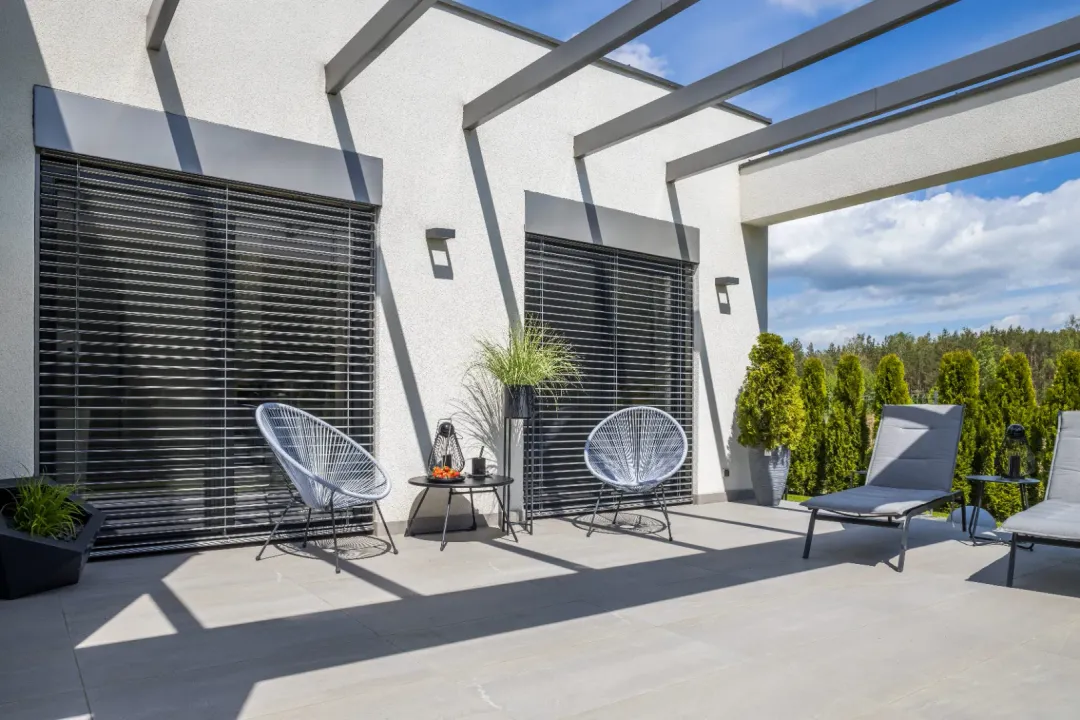
Louvers provide many advantages in residential, commercial, and industrial spaces.
Louvers allow fresh air to enter and stale air to leave. This improves indoor air quality and creates a more comfortable environment.
By improving airflow and reducing heat buildup, louvers can lower the need for air conditioning. This helps reduce electricity costs.
Louvers help control the amount of sunlight entering a building. This reduces glare and heat inside rooms.
Specially designed louvers prevent rainwater from entering while still allowing airflow.
Louvers provide privacy because people outside cannot easily see through the angled slats.
Louvers add a modern and stylish look to buildings. Architects often use them as decorative design elements.
There are several types of louvers available for different purposes. Choosing the right type depends on airflow needs, weather conditions, and design preferences.
Fixed louvers have slats that remain in one position permanently. They are one of the most common types used in buildings.
These louvers are simple, durable, and cost effective. They are mainly used for ventilation and weather protection.
Low maintenance
Strong and durable
Affordable
Good airflow
Building ventilation
Industrial exhaust systems
Exterior walls
Adjustable louvers have movable slats that can be opened or closed as needed. They offer better control over airflow and sunlight.
Some adjustable louvers are operated manually, while others use motors and automation systems.
Flexible airflow control
Better temperature management
Improved comfort
Residential windows
Sun shading systems
Smart buildings
Motorized louvers use electric motors to adjust the slats automatically. These systems are often connected to sensors or building management systems.
For example, the louvers may close automatically during rain or open when indoor temperatures rise.
Automatic operation
Improved energy efficiency
Modern appearance
Convenient control
Commercial buildings
Green buildings
Luxury homes
Acoustic louvers are specially designed to reduce noise while still allowing airflow. These louvers contain sound absorbing materials inside.
They are useful in noisy industrial or commercial environments.
Noise reduction
Good ventilation
Better working environment
Generator rooms
Factories
HVAC systems
Mechanical rooms
Storm resistant louvers are designed to withstand strong winds, heavy rain, and harsh weather conditions.
These louvers are commonly used in areas prone to storms and hurricanes.
High durability
Weather protection
Strong construction
Coastal buildings
Industrial facilities
Warehouses
Drainable louvers are specially made to channel rainwater away from the opening. They reduce water penetration while maintaining airflow.
Better rain protection
Improved ventilation
Suitable for wet climates
Exterior walls
Rooftop ventilation
HVAC systems
Combination louvers include multiple features in one system. For example, they may provide airflow, sound reduction, and rain protection together.
These are often custom designed for specific projects.
Multi purpose performance
Better efficiency
Customized solutions
Industrial plants
Commercial buildings
Data centers
Louvers are made from different materials depending on the application, weather conditions, and budget. Each material has its own advantages and disadvantages.
Aluminum is one of the most popular materials used for louvers. It is lightweight, durable, and resistant to rust.
Corrosion resistant
Lightweight
Easy to install
Low maintenance
Modern appearance
Can dent under strong impact
Higher cost than some materials
Commercial buildings
Residential homes
HVAC systems
Steel louvers are strong and durable. They are often used in industrial and heavy duty applications.
Steel louvers may be coated or galvanized to prevent rust.
Very strong
Long lasting
Suitable for large openings
Heavier than aluminum
May rust without proper coating
Factories
Warehouses
Industrial ventilation systems
Wooden louvers offer a natural and attractive appearance. They are often used in residential buildings and interior designs.
Warm and natural look
Good for decorative purposes
Customizable designs
Requires regular maintenance
Can be damaged by moisture and insects
Home windows
Interior partitions
Decorative facades
Glass louvers are made with glass slats that provide ventilation while maintaining a modern appearance. Many glass louvers are adjustable.
Stylish appearance
Allows natural light
Good ventilation
Fragile compared to metal
Requires careful cleaning
Modern homes
Office buildings
Architectural projects
PVC louvers are lightweight and affordable. They are resistant to moisture and chemicals.
Budget friendly
Moisture resistant
Lightweight
Less durable than metal
May fade in sunlight
Bathrooms
Utility rooms
Small ventilation openings
Stainless steel louvers are highly durable and resistant to corrosion. They are commonly used in areas exposed to moisture or chemicals.
Excellent corrosion resistance
Strong and durable
Modern appearance
Higher cost
Heavier material
Coastal areas
Food processing plants
Chemical industries
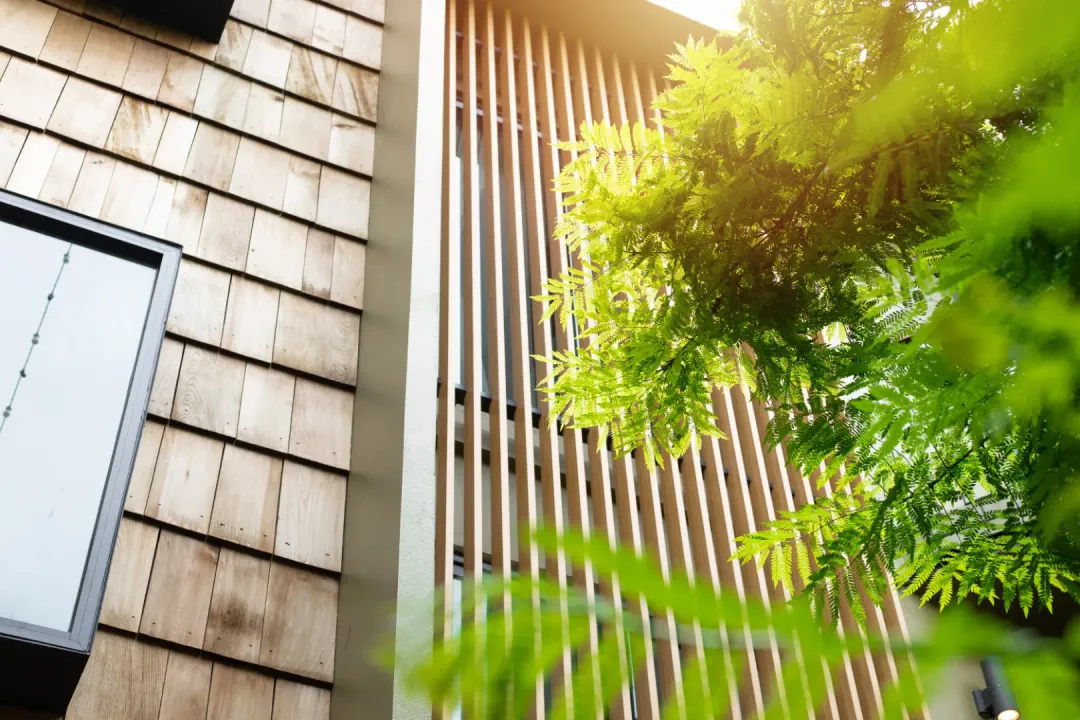
Louvers are used in many industries and buildings because of their practical benefits.
One of the most common uses of louvers is building ventilation. They allow fresh air to enter and remove hot or stale air from indoor spaces.
This improves comfort and indoor air quality.
Heating, ventilation, and air conditioning systems use louvers to control airflow. They help protect equipment while ensuring proper air movement.
HVAC louvers are found in:
Air ducts
Cooling towers
Exhaust systems
Mechanical rooms
Louvers are widely used as sunshades on building exteriors. They reduce heat gain and improve energy efficiency.
Sun shading louvers help keep interiors cooler and reduce glare from direct sunlight.
Louvers provide privacy while still allowing air and light to pass through. This makes them ideal for residential and commercial spaces.
They are commonly used for:
Balconies
Windows
Outdoor seating areas
Office partitions
Factories and industrial plants use louvers for ventilation and equipment protection. Industrial louvers are designed to handle heavy airflow and harsh environments.
Parking garages require proper ventilation to remove vehicle exhaust gases. Louvers help maintain airflow while protecting the structure from rain.
Data centers generate large amounts of heat from servers and equipment. Louvers help maintain proper cooling and airflow.
Roof louvers help release hot air trapped inside buildings. This improves ventilation and reduces indoor temperatures.
Roof ventilation louvers are common in:
Warehouses
Factories
Residential attics
Architects use louvers as decorative elements on building facades. Modern louvers can create stylish patterns and improve the appearance of structures.
Selecting the right louvers depends on several important factors.
First, identify the main purpose of the louvers. Are they needed for ventilation, sunlight control, privacy, noise reduction, or weather protection?
Different purposes require different louver designs.
Choose a material suitable for the environment. For example:
Aluminum for lightweight and corrosion resistance
Steel for strength
Wood for decorative appearance
Stainless steel for harsh environments
Weather conditions play an important role. Areas with heavy rain or strong winds may need drainable or storm resistant louvers.
The amount of airflow needed should be carefully considered. Industrial buildings usually require higher airflow than residential spaces.
Some materials require more maintenance than others. Wooden louvers need regular treatment, while aluminum louvers are easier to maintain.
Louvers should match the style of the building. Modern architecture often uses sleek aluminum or glass louvers for a clean appearance.
Cost is another important factor. Basic fixed louvers are more affordable, while motorized or acoustic louvers can be more expensive.
Proper maintenance helps louvers last longer and work efficiently.
Dust, dirt, and debris can block airflow. Cleaning the louvers regularly keeps them working properly.
Check for rust, cracks, loose parts, or damaged slats. Early repairs can prevent bigger problems later.
Adjustable and motorized louvers may need lubrication for smooth operation.
Metal louvers may require repainting or protective coatings to prevent corrosion.
Drainable louvers should be checked to ensure water flows properly.
People often confuse louvers with ventilators, but they are different.
Louvers are structures with slats that allow airflow while providing protection from rain, sunlight, or visibility.
Ventilators are systems or devices specifically designed to move air in and out of a space.
In many cases, louvers are part of a ventilation system.
Modern buildings are becoming smarter and more energy efficient. As a result, louver technology is also improving.
Some future trends include:
Smart motorized louvers
Solar powered louver systems
Energy efficient sun control designs
Advanced acoustic louvers
Sustainable materials
Architects and engineers are using louvers more creatively to improve building performance and appearance.
Louvers are an essential part of modern construction and ventilation systems. They provide airflow, sunlight control, privacy, weather protection, and attractive design features.
There are many types of louvers available, including fixed, adjustable, motorized, acoustic, and storm resistant louvers. Different materials such as aluminum, steel, wood, glass, and PVC are used based on the application and environment.
Louvers are widely used in homes, offices, factories, parking garages, HVAC systems, and industrial facilities. Choosing the right louvers depends on factors such as airflow needs, climate, maintenance, appearance, and budget.
With the growing focus on energy efficiency and smart buildings, louvers will continue to play an important role in modern architecture and building design.
Yes, louvers can improve natural ventilation and reduce indoor heat. This lowers the need for air conditioning and can help save electricity costs.
Yes, louvers can be used in small homes, apartments, balconies, kitchens, and bathrooms to improve airflow and privacy.
Some louvers may allow insects inside if they do not have mesh screens. Many modern louvers come with insect screens for protection.
Yes, louvers are available in different colors, shapes, sizes, and finishes. They can be customized to match modern or traditional architecture.
Louvers can support eco friendly building design by improving natural ventilation and reducing energy consumption. Materials like aluminum are also recyclable.
The lifespan depends on the material and maintenance. Aluminum and stainless steel louvers can last for many years with proper care.
Yes, louvers are often used indoors for room partitions, closet doors, ventilation panels, and decorative purposes.
Louvers are designed to reduce water entry, but not all louvers are fully waterproof. Drainable and weather resistant louvers offer better rain protection.
Yes, louvers allow fresh air circulation, which can help reduce humidity, odors, and stale indoor air.
Yes, most louvers can be removed and replaced without major structural changes. Professional installation is recommended for large or motorized systems.
Durable, weather-resistant, and built to hold up outdoors.
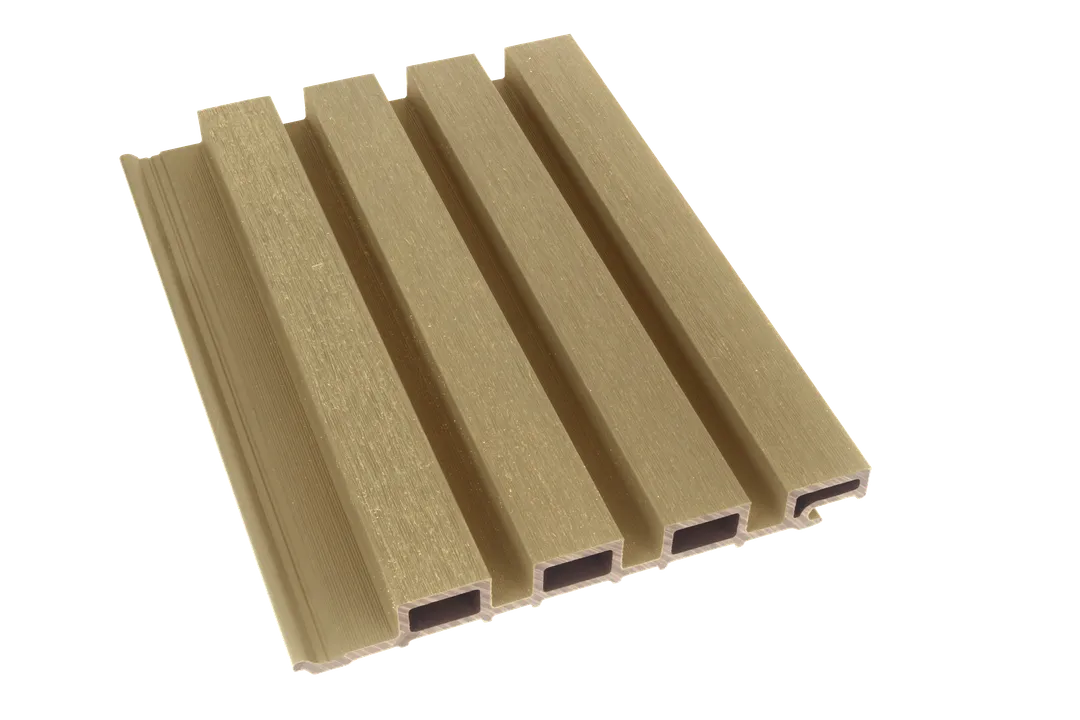
Durable, weather-resistant, and built to hold up outdoors.
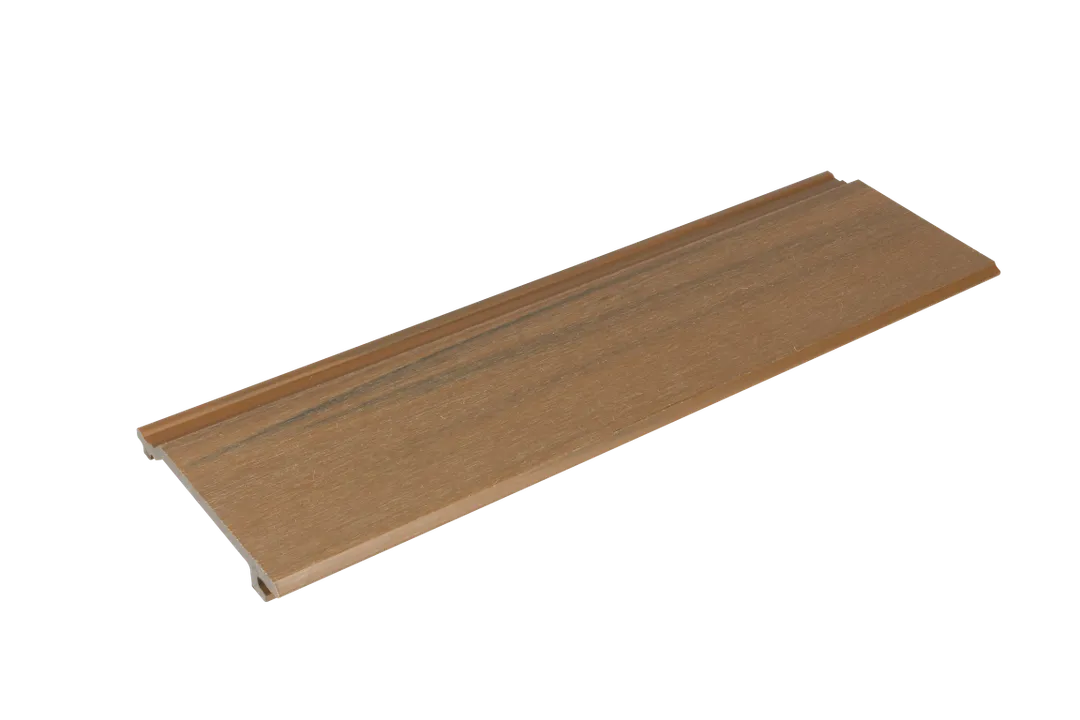
Durable, weather-resistant, and built to hold up outdoors.
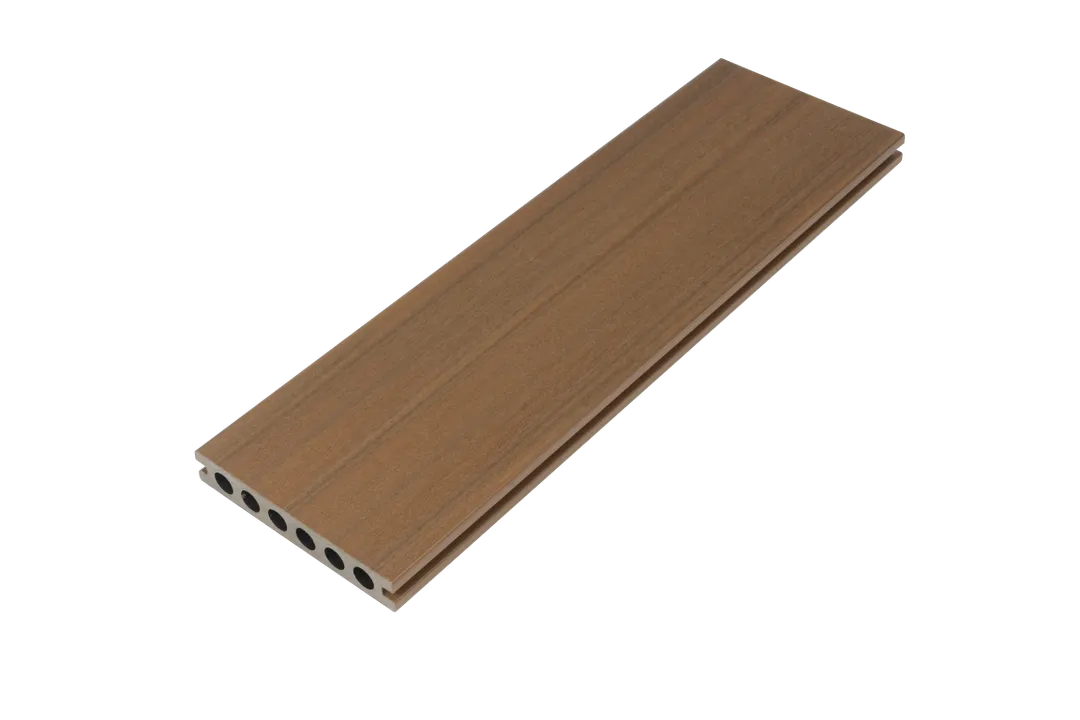
Durable, weather-resistant, and built to hold up outdoors.
Experience the texture, finish, and performance of Deckotech materials firsthand. Request a sample to evaluate the system for your next project.