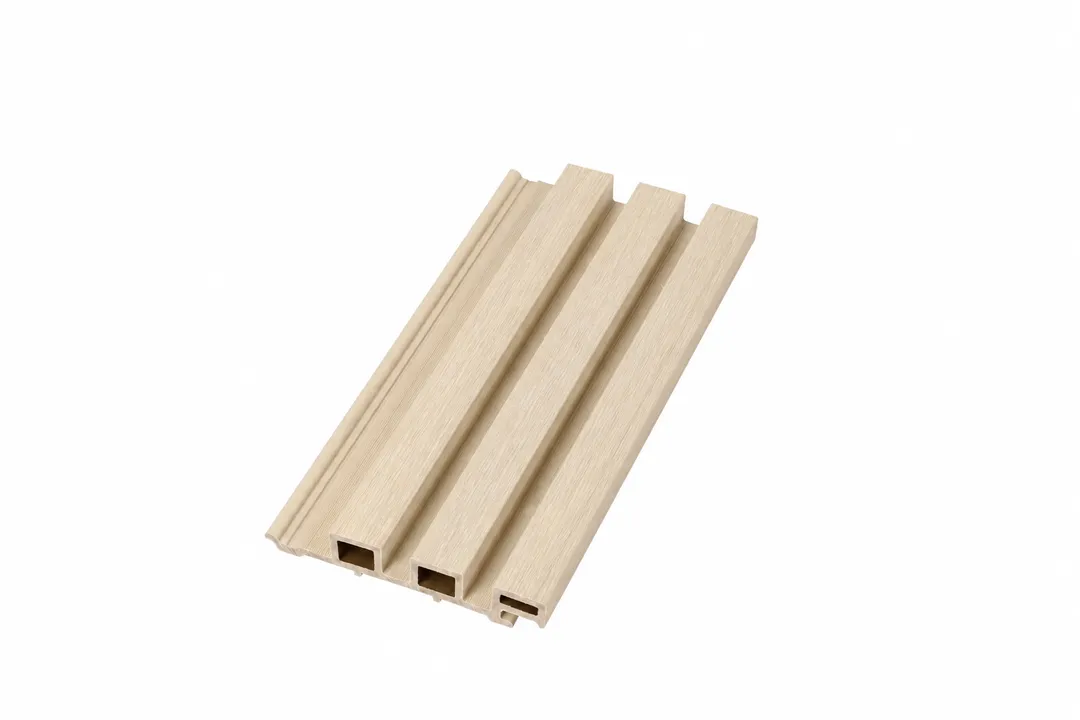
Durable, weather-resistant, and built to hold up outdoors.
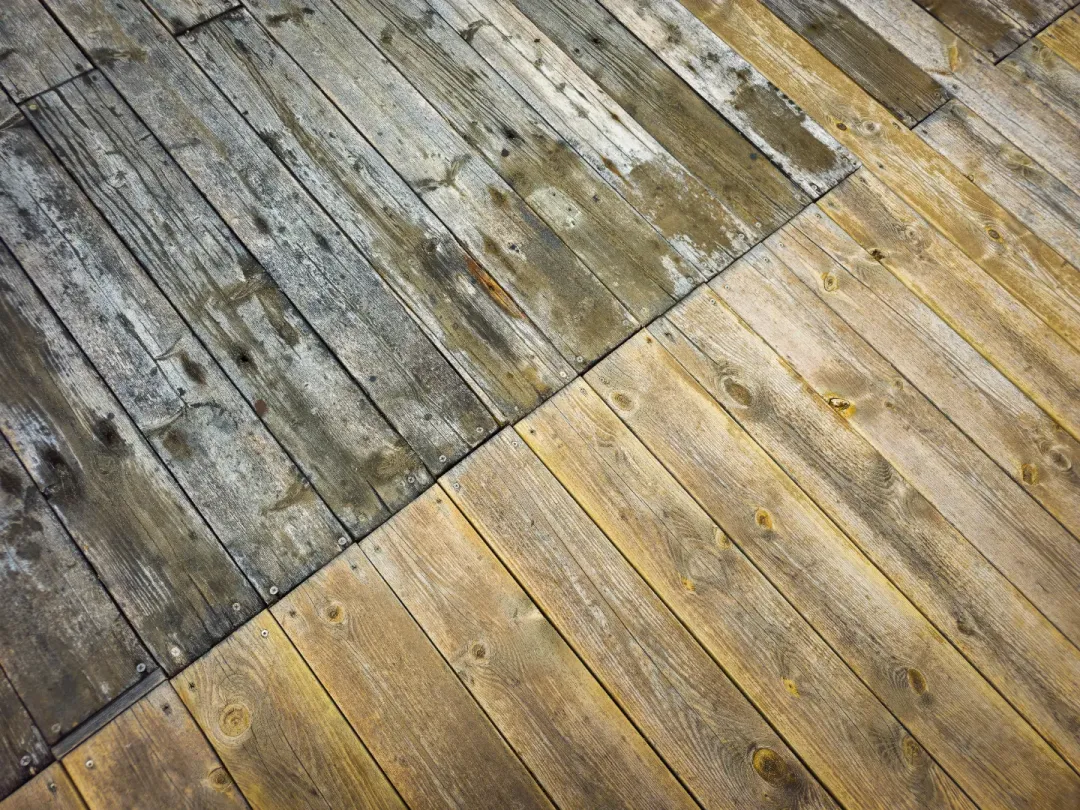
A wood deck adds beauty, comfort, and value to a home. It creates the perfect place to enjoy fresh air, host gatherings, or relax after a long day. But over time, dirt, leaves, mold, algae, food stains, and weather exposure can make a deck look old and worn out.
Regular deck cleaning helps protect the wood and keeps it looking fresh. Dirt and moisture can slowly damage wood surfaces if left untreated. Cleaning your deck does not have to be difficult or expensive. With the right tools and a simple process, you can restore your deck and help it last for years.
This guide explains how to clean a wood deck in 7 easy steps using simple methods that homeowners can follow without professional help.
Many homeowners wait until their deck looks dirty before cleaning it. However, routine maintenance is important for keeping wood in good condition.
Here are some reasons regular cleaning matters:
Prevents mold and mildew growth
Removes dirt and debris that trap moisture
Protects wood from early aging
Reduces slippery surfaces caused by algae
Improves the appearance of outdoor spaces
Helps stains and sealers last longer
Extends the life of the deck
Wood naturally expands and contracts because of weather changes. Dirt and moisture sitting on the surface can speed up wear and damage. A clean deck not only looks better but also stays stronger over time.
Before starting, gather everything you need. Having supplies ready makes the job easier.
Basic cleaning supplies include:
Broom
Garden hose
Bucket
Deck cleaner
Mild dish soap
Soft bristle brush
Protective gloves
Safety glasses
Pressure washer if needed
Leaf blower
Mop or sponge
Choose a wood cleaner made for deck surfaces if your deck has heavy staining or mold buildup.
Avoid using harsh chemicals like chlorine bleach unless recommended by the deck manufacturer. Strong chemicals can damage wood fibers.
Now let us go through the seven easy steps.
Start by removing everything from your deck.
Take away:
Chairs
Tables
Planters
Outdoor rugs
Decorations
Grills
Toys
You need full access to the wood surface before cleaning.
Once the deck is empty, sweep away dirt, leaves, sticks, and debris.
Pay close attention to spaces between boards because leaves and debris often collect there. Trapped moisture can lead to mold growth and wood damage.
A leaf blower can speed up this process, but a broom works well too.
Clearing the deck first prevents dirt from turning into mud once water is added.
Before applying water or cleaning products, inspect your deck carefully.
Look for:
Loose boards
Cracks
Splinters
Rusted nails
Mold spots
Mildew buildup
Rotten wood
Loose screws
Small issues can become larger problems if ignored.
If you notice loose boards, tighten screws or replace damaged hardware before cleaning.
Wood rot may require repairs before moving forward.
Check railings and stairs as well.
This step also helps identify areas that may need extra cleaning attention.
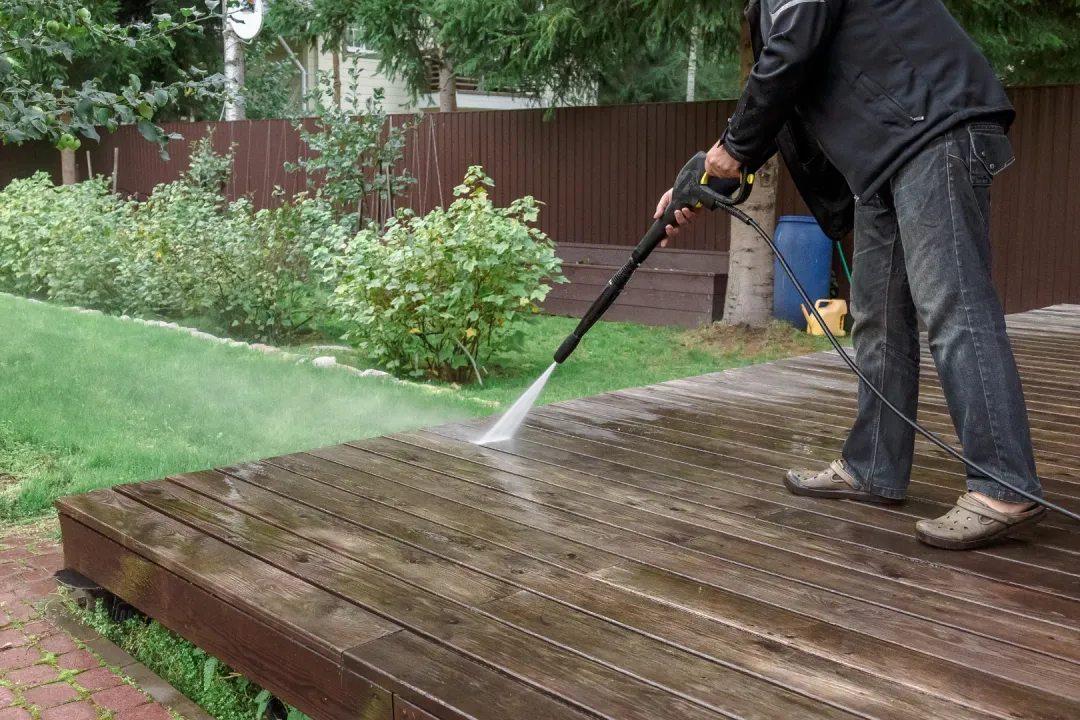
Once inspection is complete, rinse the deck with water.
Use a garden hose to lightly soak the wood.
Wet wood absorbs cleaning products more evenly and prevents cleaners from drying too quickly.
Focus on covering the entire deck surface.
Avoid flooding the deck with too much water.
If your deck is heavily soiled, a spray nozzle can help loosen dirt before scrubbing.
Some homeowners use pressure washers, but caution is important.
Pressure washers can damage wood if used incorrectly.
If using one:
Keep pressure low
Maintain distance from the surface
Spray along the wood grain
Avoid staying in one spot too long
Too much pressure can leave marks or damage wood fibers.
For older decks, a garden hose is often safer.
Now it is time to clean.
Choose a wood deck cleaner designed for your deck material.
There are different types:
These cleaners remove dirt, algae, and stains without harming wood fibers.
Many homeowners prefer them because they are gentler.
Wood brighteners restore natural wood color and remove discoloration.
They are useful after deep cleaning.
For light dirt buildup, warm water mixed with mild dish soap may work well.
Follow product instructions carefully.
Apply cleaner evenly across the deck.
Work in sections so the cleaner does not dry too quickly.
Let it sit for the recommended time.
Usually this ranges from five to fifteen minutes depending on the product.
Do not let cleaning solution dry completely on the wood.
That can create uneven cleaning results.
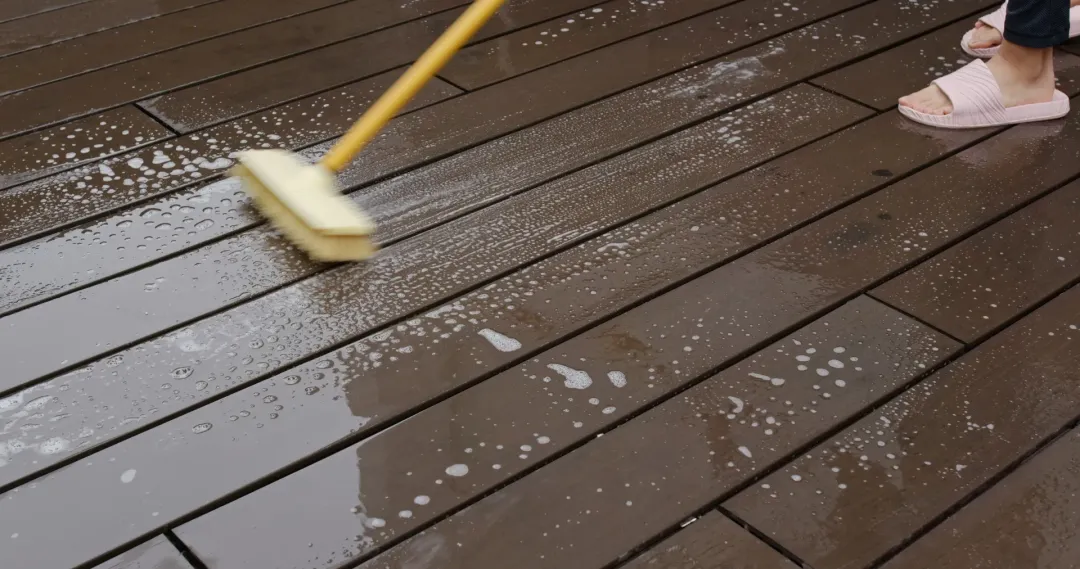
After cleaner sits for the proper amount of time, scrub the surface.
Use a soft bristle brush or deck brush.
Avoid wire brushes because they can damage wood.
Scrub along the grain of the wood rather than against it.
Focus on areas with:
Mold
Algae
Food stains
Grease spots
Heavy dirt buildup
Some areas may require extra effort.
For stubborn stains, apply a little more cleaner and scrub again.
Deck corners and spaces near railings often collect dirt.
Take your time.
Good scrubbing removes grime that simple rinsing cannot eliminate.
Mold and mildew are common problems on wood decks.
Signs include:
Black spots
Green patches
Slippery surfaces
Use a cleaner specifically designed for mold removal.
Scrub affected areas thoroughly.
Improving airflow around the deck can also help reduce future mold growth.
Trim nearby bushes if they block sunlight.
Sunlight helps keep wood dry.
Once scrubbing is finished, rinse away all cleaning solution.
Use a garden hose to wash the entire deck.
Start at one end and work toward the other.
Make sure no cleaner remains on the wood.
Leftover residue can affect the appearance of the deck.
Pay attention to corners and gaps between boards.
If using a pressure washer for rinsing:
Use low pressure
Move steadily
Follow wood grain direction
Do not rush this step.
A thorough rinse leaves the deck cleaner and prevents streaking.
After rinsing, inspect the deck.
If stains remain, spot clean those areas again.
Some older stains may need multiple cleaning attempts.
Drying is the final step.
Allow your deck to dry naturally.
Depending on weather conditions, drying may take 24 to 48 hours.
Keep furniture off the deck until wood dries completely.
Walking on wet wood is usually fine, but heavy furniture can trap moisture.
If you plan to stain or seal the deck afterward, complete drying is especially important.
Moisture trapped under stain or sealant can create problems later.
Dry wood absorbs protective coatings more evenly.
Check weather forecasts before cleaning.
Choose a dry period when rain is unlikely.
Sunshine and airflow help speed drying.
Cleaning removes dirt and buildup, but sealing provides extra protection.
Deck sealers help:
Block moisture
Reduce UV damage
Prevent cracking
Minimize fading
Protect wood color
Not every cleaning requires resealing.
However, many homeowners reseal every one to three years depending on climate and wood type.
A simple water test can help.
Sprinkle water onto the deck.
If water beads up, sealing protection remains.
If water absorbs quickly, it may be time to reseal.
Always allow wood to dry fully before applying sealant.
Cleaning a wood deck seems simple, but mistakes can damage the surface.
Avoid these common problems.
Pressure washers can remove wood fibers if pressure is too high.
Gentle cleaning is safer.
Mold spreads quickly.
Small spots can become larger issues if ignored.
Address mold early.
Waiting years between cleanings allows dirt and moisture to build up.
Routine care keeps maintenance easier.
Strong cleaners can discolor wood or weaken fibers.
Always use deck safe products.
Cleaning solution may dry too quickly.
Choose cooler parts of the day when possible.
Most wood decks benefit from cleaning at least once each year.
Some situations may require more frequent cleaning.
Clean more often if:
Trees drop leaves onto the deck
The deck receives little sunlight
Heavy foot traffic occurs
Food spills happen regularly
Humid weather encourages mold growth
Spring and early summer are popular times for deck maintenance.
Seasonal cleaning removes winter debris and prepares outdoor spaces for warmer weather.
Weather affects cleaning success.
Ideal conditions include:
Mild temperatures
Low humidity
Dry forecast
Light cloud cover
Avoid cleaning:
During rain
Before storms
During extreme heat
Moderate temperatures help cleaning products work better.
Windy conditions may also dry cleaners too fast.
Planning ahead creates better results.
Some homeowners prefer natural cleaning methods.
Simple homemade options may help with light dirt.
Mix:
One cup white vinegar
One gallon water
This mixture can help remove light dirt.
Baking soda mixed with water creates a gentle scrub for small stains.
For general maintenance cleaning, mild soap often works well.
Natural solutions may not remove heavy mold or deep staining.
For severe buildup, commercial deck cleaners may work better.
Not all wood decks are identical.
Different materials require slightly different cleaning approaches.
Cedar is softer wood.
Gentle cleaning methods work best.
Avoid aggressive pressure washing.
Redwood benefits from regular maintenance.
Mild cleaners help preserve natural beauty.
Pressure treated wood handles outdoor exposure well but still requires routine cleaning.
Hardwoods are durable but may require specialized cleaners.
Always check manufacturer recommendations.
Understanding your deck material helps avoid accidental damage.
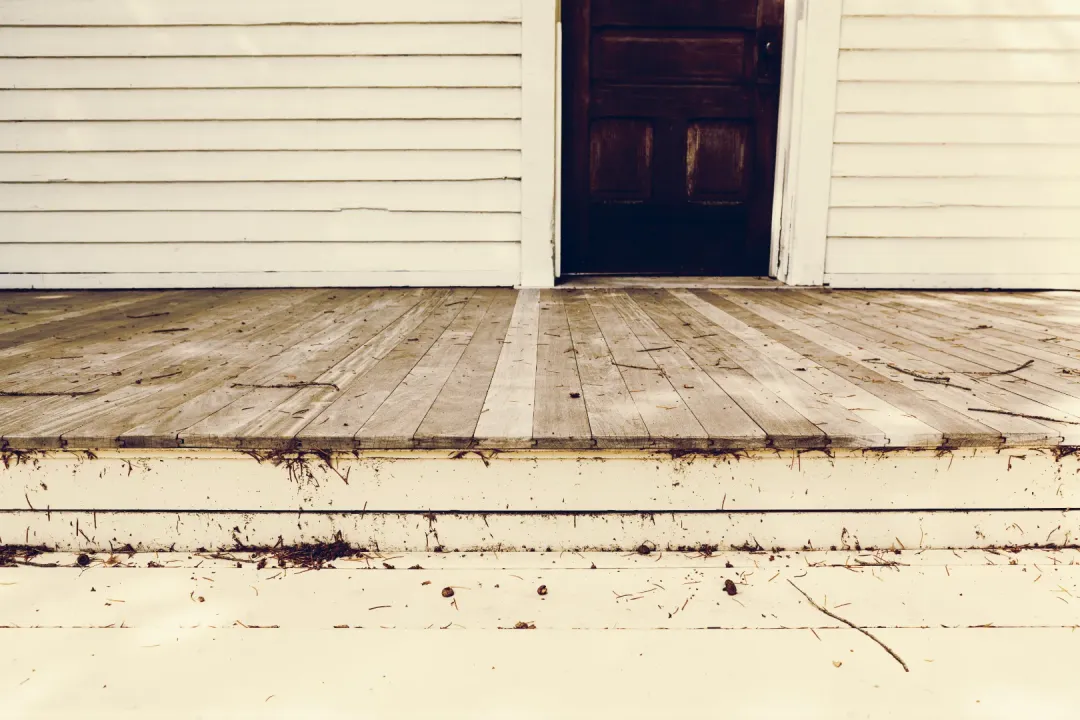
Not sure when to clean?
Watch for these signs:
Gray or faded appearance
Visible dirt buildup
Green algae growth
Black mold spots
Slippery areas
Water no longer beads on the surface
Surface stains
Regular visual inspection makes maintenance easier.
Small problems are easier to fix than major damage.
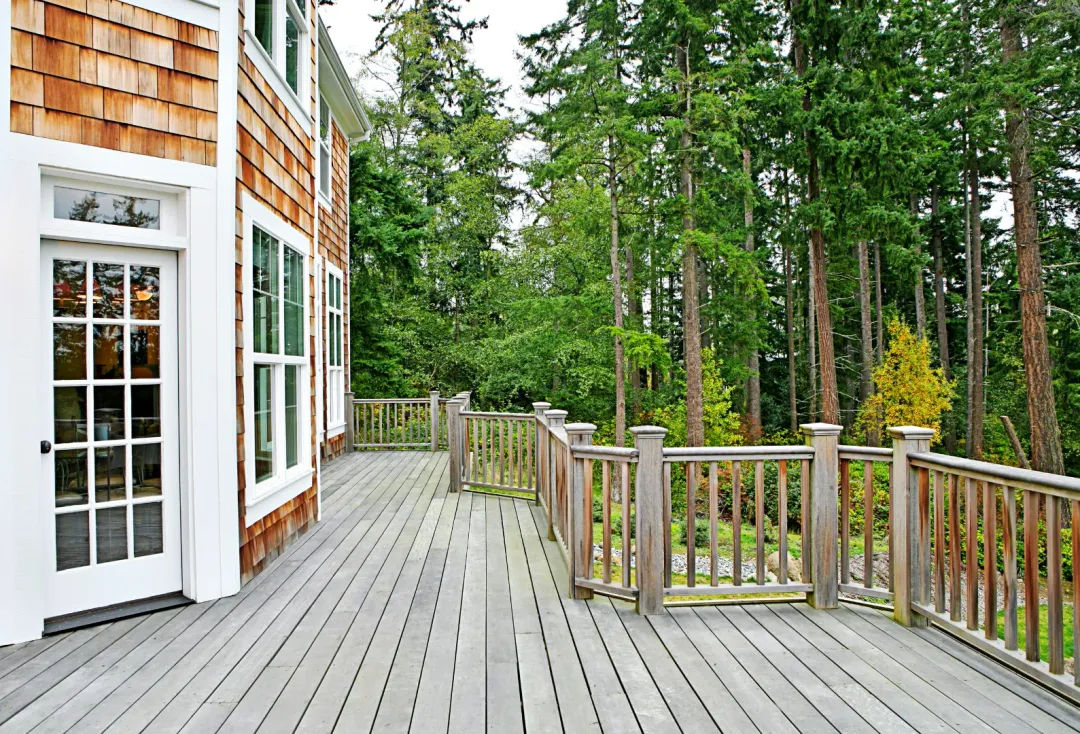
Cleaning alone helps, but full maintenance provides even greater benefits.
Routine care includes:
Cleaning
Sealing
Repairs
Inspection
Long term benefits include:
Wood stays stronger with proper care.
A clean deck improves outdoor spaces.
Preventive maintenance reduces expensive repairs.
Removing algae and mold lowers slip hazards.
Small maintenance efforts save money over time.
Pressure washing can work for some decks, but caution matters.
Older wood may splinter easily.
Soft woods can show pressure marks.
If pressure washing:
Use wide spray patterns
Start with low pressure
Keep nozzle moving
Test small areas first
For many homeowners, manual scrubbing remains the safest option.
Pressure washing is helpful but not always necessary.
You do not need deep cleaning every week.
Small habits help maintain your deck year round.
Try these tips:
Sweep weekly
Remove leaves quickly
Clean spills immediately
Move furniture occasionally
Trim nearby plants
Check for standing water
These small steps reduce buildup and keep cleaning easier.
Learning how to clean a wood deck in 7 easy steps can help protect your outdoor investment and keep it looking beautiful.
The process is simple:
Clear the deck
Inspect for damage
Wet the surface
Apply cleaner
Scrub thoroughly
Rinse completely
Allow drying time
Routine maintenance helps preserve wood strength, reduce mold growth, and improve appearance.
You do not need expensive tools or professional services for basic deck care.
A little attention each year can make a big difference.
Clean wood looks better, lasts longer, and creates a more enjoyable outdoor space for family and friends.
With regular care and simple cleaning habits, your wood deck can remain strong and attractive for many years to come.
Yes, you can use simple household options like mild dish soap and water for light cleaning. However, commercial deck cleaners may work better for deep stains, mold, or algae buildup.
Early morning or late afternoon is usually best because direct sunlight can dry cleaning products too quickly and reduce cleaning effectiveness.
Yes, pet waste and urine can leave stains and odors if not cleaned quickly. Regular cleaning helps prevent long term damage.
A stiff brush can sometimes scratch softer woods. A soft or medium bristle brush is often a safer choice.
Most decks should dry completely for at least 24 to 48 hours before returning heavy furniture to the surface.
Pollen itself usually does not damage wood, but heavy buildup can trap moisture and make the deck look dirty over time.
Yes, covering plants or lightly rinsing them before and after cleaning can help protect them from cleaning solutions.
It is generally better to clean during mild weather. Freezing temperatures can affect cleaning products and make drying more difficult.
Some decks may have faded wood fibers, old stain residue, or weather damage that cleaning alone cannot fix. Sanding or refinishing may help improve appearance.
Dark colored decks may show dust and dirt more easily, while lighter decks may reveal stains faster. Regular maintenance helps regardless of deck color.
Durable, weather-resistant, and built to hold up outdoors.
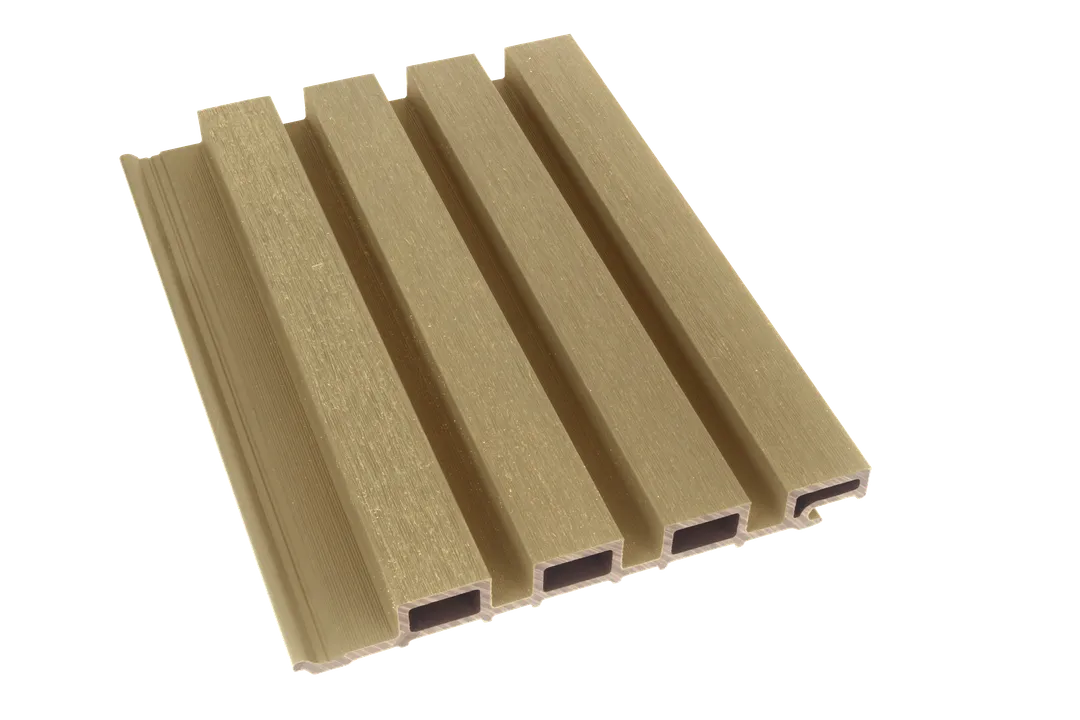
Durable, weather-resistant, and built to hold up outdoors.
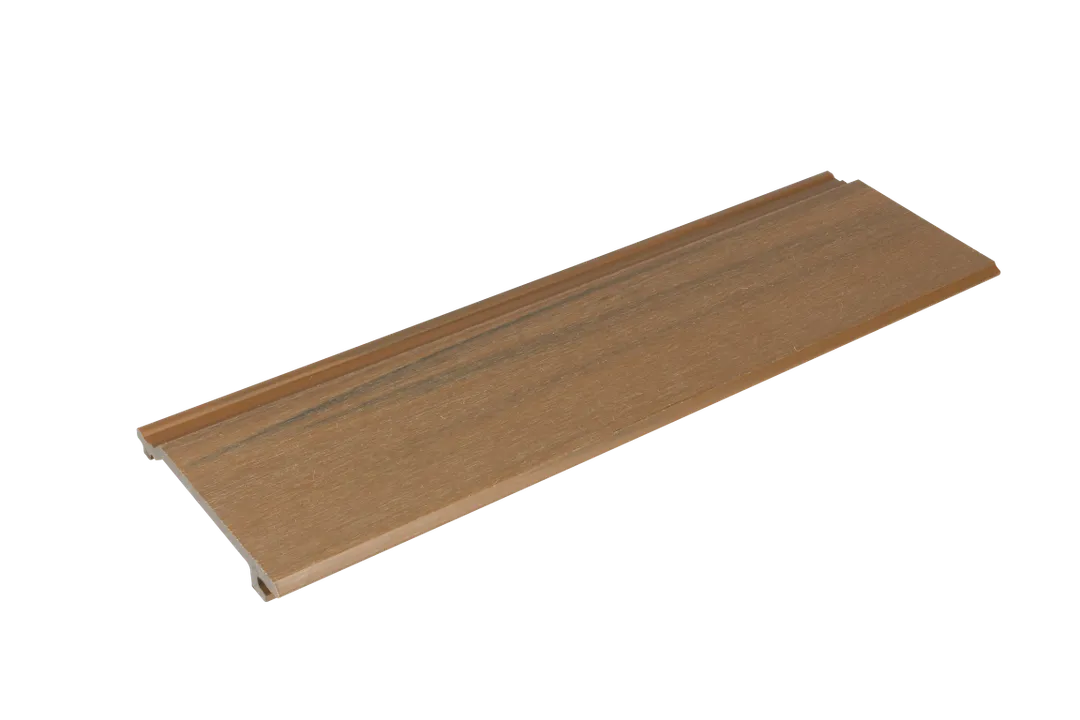
Durable, weather-resistant, and built to hold up outdoors.
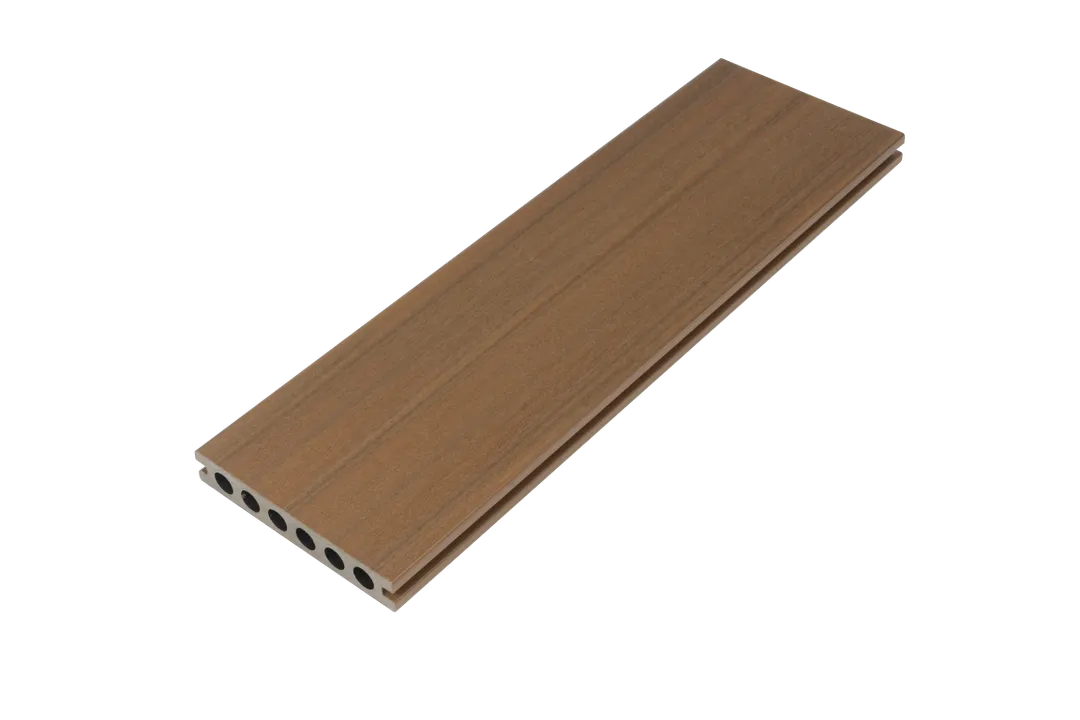
Durable, weather-resistant, and built to hold up outdoors.
Experience the texture, finish, and performance of Deckotech materials firsthand. Request a sample to evaluate the system for your next project.