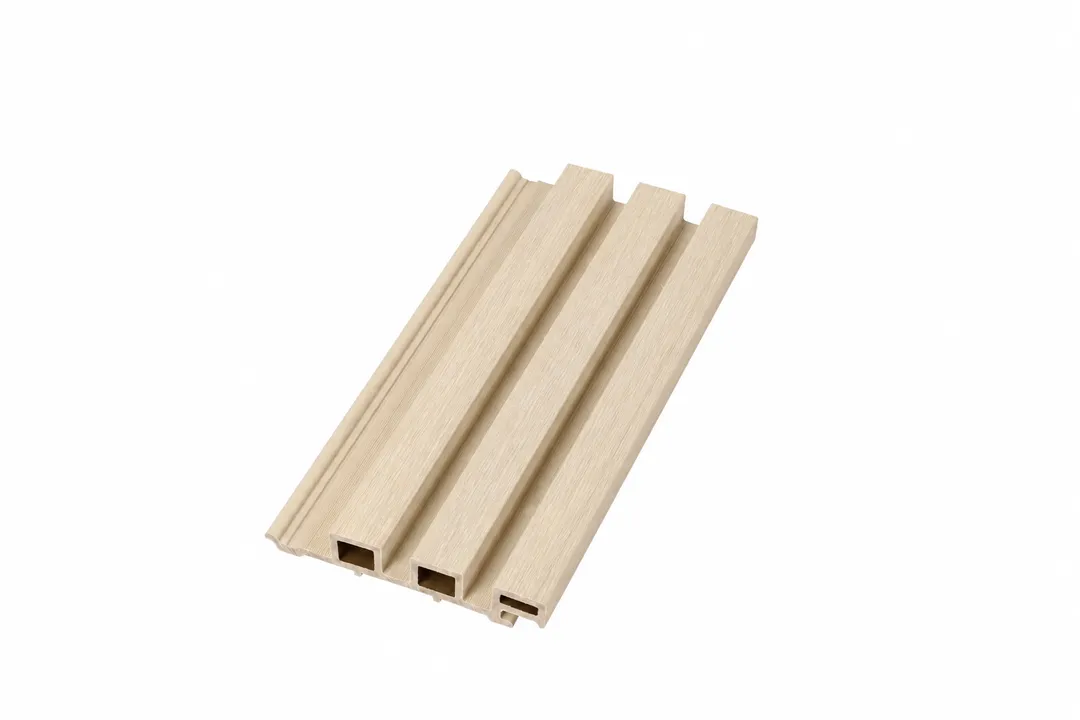
Durable, weather-resistant, and built to hold up outdoors.
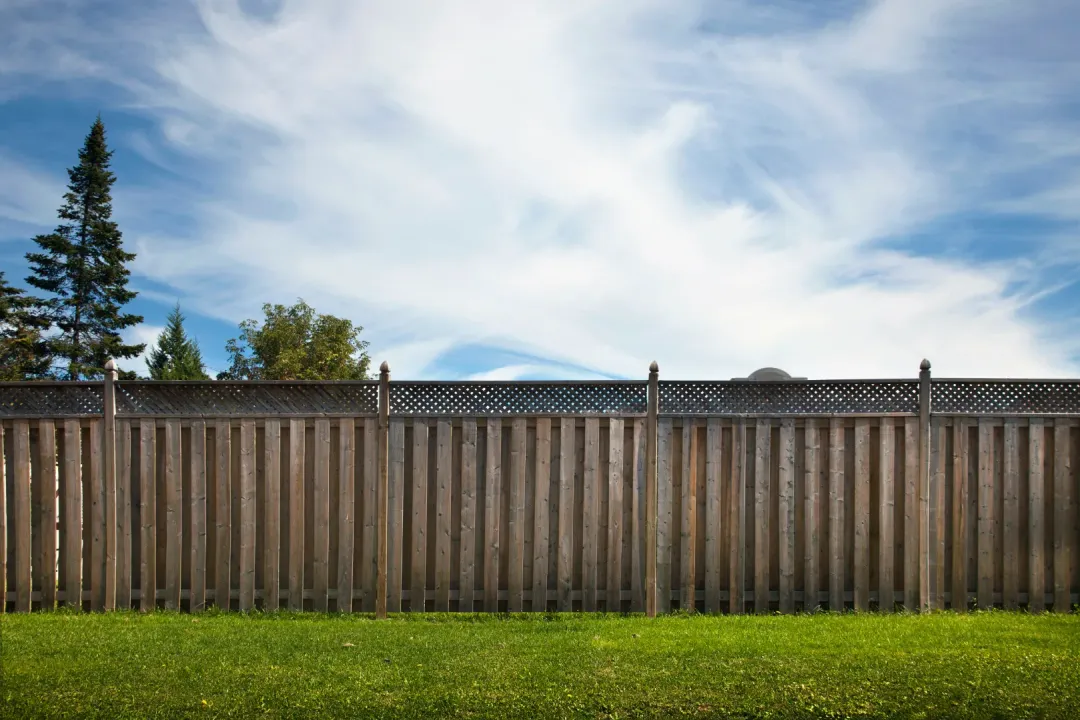
A privacy fence is one of the most popular additions homeowners choose when they want more seclusion, security, and comfort in their outdoor space. Whether you want to block the view from neighboring properties, create a safe area for children and pets, or simply enjoy your backyard without feeling exposed, a privacy fence can be a valuable investment.
One of the most common questions homeowners ask is, “How much does a privacy fence cost?” The answer depends on several factors, including the fence material, height, property size, location, and long-term maintenance requirements. Understanding these factors can help you make an informed decision and choose a fence that fits both your needs and budget.
This guide explains privacy fence costs in detail, covering different materials, factors that affect pricing, ongoing expenses, and ways to maximize value.
A privacy fence is a type of fencing designed to limit visibility into a property. Unlike decorative fences or open-style fencing, privacy fences have little to no gaps between panels or boards. They typically stand between 6 and 8 feet tall and create a barrier that blocks views, reduces noise, and increases security.
Privacy fences are commonly installed around backyards, gardens, swimming pools, and residential properties. They are available in various materials, including wood, vinyl, composite, aluminum, and other modern options.
The cost of a privacy fence varies significantly depending on the chosen material and the overall size of the project.
The average privacy fence cost for most homeowners ranges from $2,000 to $8,000 or more. Smaller properties with basic materials usually fall at the lower end of the price range, while larger properties or premium materials can push costs much higher.
When calculating privacy fence expenses, it is important to consider cost per linear foot. Most fencing companies and suppliers estimate projects based on the total linear footage needed.
Average costs generally range between:
Wood privacy fence: $15 to $45 per linear foot
Vinyl privacy fence: $20 to $60 per linear foot
Composite privacy fence: $30 to $85 per linear foot
Aluminum privacy fence: $25 to $70 per linear foot
The total amount depends on the size of the area being enclosed and the type of material selected.
Several elements influence how much you will spend on a privacy fence.
The material you choose has the biggest impact on the overall price. Some materials are affordable upfront but require more maintenance over time, while others have a higher initial cost but lower long-term expenses.
Taller fences require more material, which increases costs. A standard 6-foot privacy fence is usually less expensive than an 8-foot version.
The larger the area that needs fencing, the greater the total cost. A fence surrounding a large backyard naturally requires more materials than one enclosing a small garden.
Simple fence designs are generally less expensive than decorative styles. Features such as lattice tops, custom patterns, premium finishes, and decorative accents can raise costs.
Material prices and labor rates vary by location. Areas with higher living costs often have higher fencing prices.
Adding gates can increase the overall project cost. Larger gates or custom-designed gates are usually more expensive than standard options.
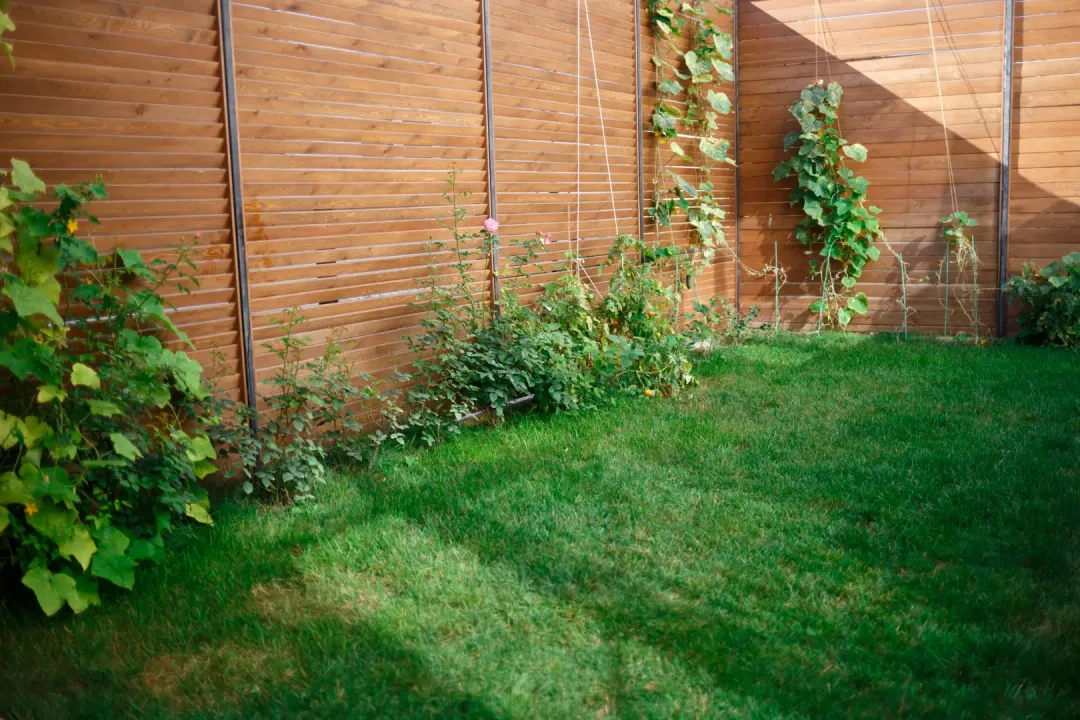
Wood remains one of the most popular privacy fence materials because of its natural appearance and affordability.
Homeowners often choose wood for its traditional look and flexibility. It can be stained or painted in various colors to match a home's exterior.
Wood privacy fences typically cost between $15 and $45 per linear foot. The exact cost depends on the type of wood used.
Pine is one of the most affordable fencing materials. It offers a natural appearance and can be treated to resist weather and insects.
Cedar is a premium wood choice that naturally resists moisture and insects. It generally costs more than pine but offers greater durability.
Redwood is often considered a high-end fencing material. It provides excellent durability and an attractive appearance but comes with a higher price tag.
Wood fences typically require regular staining, sealing, or painting to maintain their appearance and protect them from weather damage. These maintenance expenses should be considered when evaluating total ownership costs.
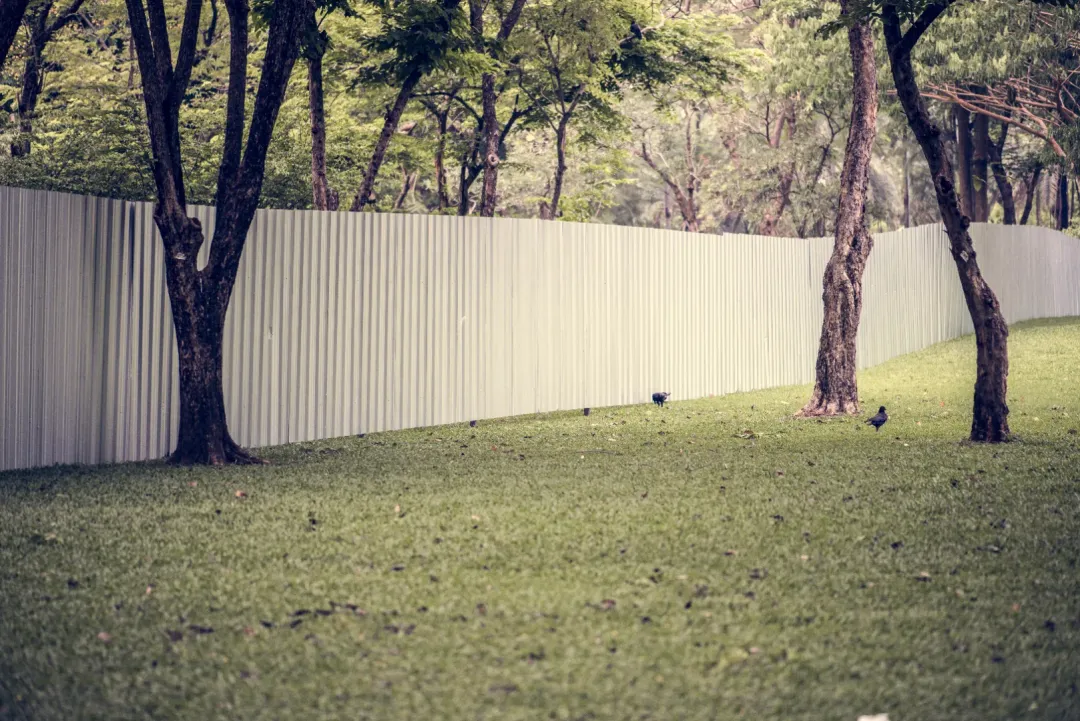
Vinyl fencing has become increasingly popular because it offers a clean appearance and minimal maintenance requirements.
Unlike wood, vinyl does not need painting, staining, or sealing. It also resists rot, insects, and moisture damage.
Vinyl privacy fences generally cost between $20 and $60 per linear foot.
Low maintenance
Long lifespan
Resistant to weather
Available in multiple colors and styles
Easy to clean
Although vinyl costs more initially than many wood fences, maintenance expenses are usually much lower. Many homeowners find that the reduced upkeep helps offset the higher purchase price over time.
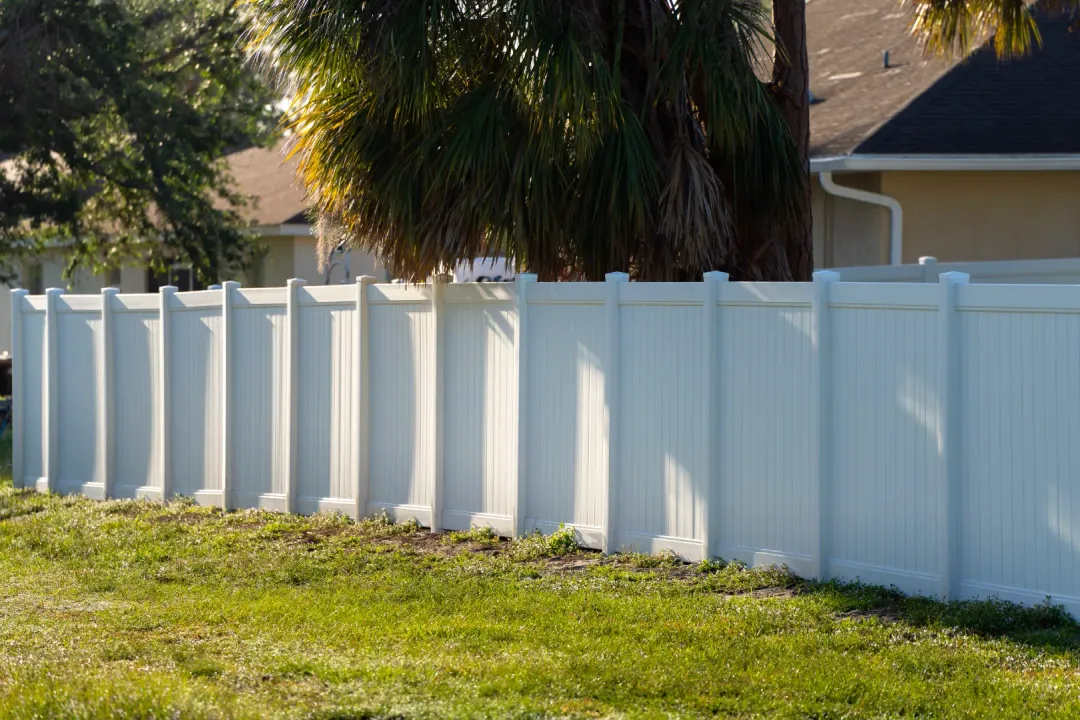
Composite fencing combines recycled wood fibers and plastic materials to create a durable and attractive product.
Many homeowners choose composite fencing because it resembles natural wood while offering improved durability.
Composite privacy fences typically cost between $30 and $85 per linear foot.
Wood-like appearance
Excellent durability
Minimal maintenance
Resistance to rot and insects
Long lifespan
Composite fences generally require very little maintenance. Cleaning is usually sufficient to keep them looking attractive for many years.
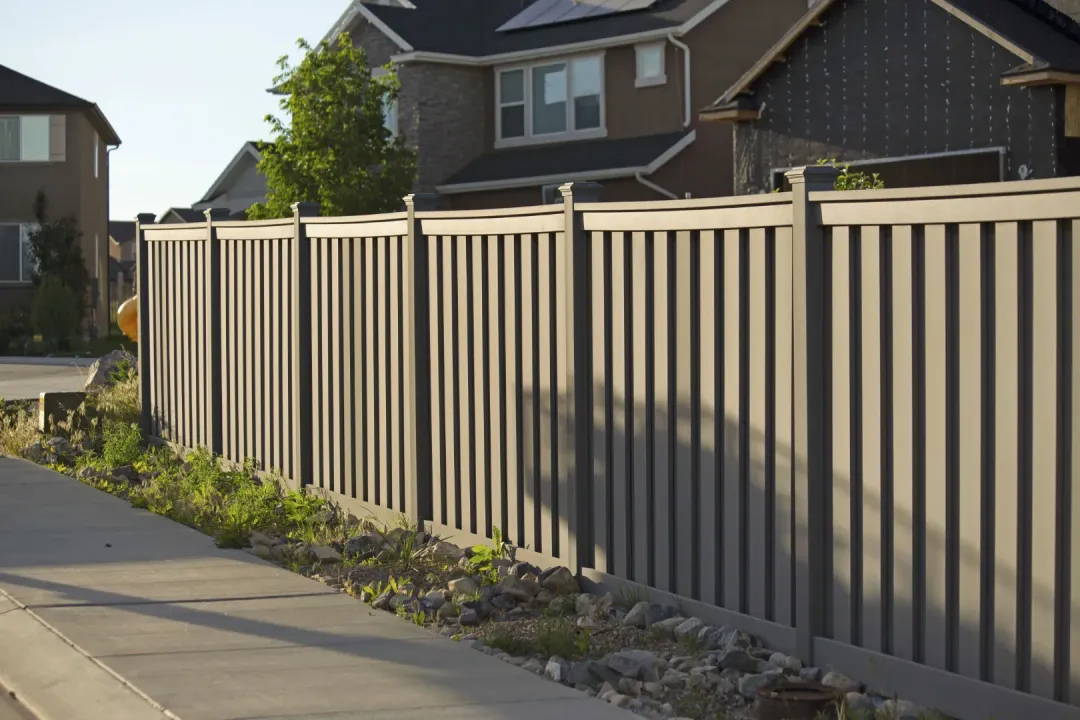
Aluminum fences are commonly known for decorative applications, but privacy-style aluminum fencing options are also available.
These fences often include solid panels or specially designed sections that limit visibility.
Aluminum privacy fences usually cost between $25 and $70 per linear foot.
Resistant to rust
Durable
Lightweight
Minimal maintenance
Modern appearance
Aluminum fencing requires very little maintenance and can last for decades with proper care.
The total cost of a privacy fence often depends on how much fencing is needed.
Here are some rough estimates:
A small yard requiring around 100 linear feet of fencing may cost:
Wood: $1,500 to $4,500
Vinyl: $2,000 to $6,000
Composite: $3,000 to $8,500
A medium-sized property requiring about 200 linear feet may cost:
Wood: $3,000 to $9,000
Vinyl: $4,000 to $12,000
Composite: $6,000 to $17,000
Large properties requiring 300 linear feet or more can easily exceed:
Wood: $4,500 to $13,500
Vinyl: $6,000 to $18,000
Composite: $9,000 to $25,500
These figures are general estimates and may vary depending on local market conditions and material choices.
The initial purchase price is only one part of the overall expense. Maintenance costs can significantly affect long-term value.
Wood fences often require:
Staining
Sealing
Painting
Repairs for damaged boards
Annual maintenance expenses can range from a few hundred dollars to more depending on fence size.
Vinyl fences typically require occasional cleaning with soap and water. Maintenance costs are usually very low.
Composite fencing generally needs little more than routine cleaning, making it one of the easiest materials to maintain.
Aluminum fencing requires minimal upkeep and usually only needs occasional washing.
The expected lifespan of a fence affects its overall value.
Most wood fences last between 15 and 20 years when properly maintained.
Vinyl fences often last 20 to 30 years or more.
Composite fencing can last 25 to 30 years and sometimes longer.
Aluminum fences often remain in excellent condition for several decades.
A longer lifespan can justify a higher upfront investment.
Certain upgrades can increase the price of a privacy fence.
Lattice tops and decorative accents improve appearance but add material costs.
Custom finishes and specialty colors are often more expensive than standard options.
Higher-grade materials generally increase durability and appearance while raising costs.
Additional gates can significantly increase overall expenses, especially larger access gates.
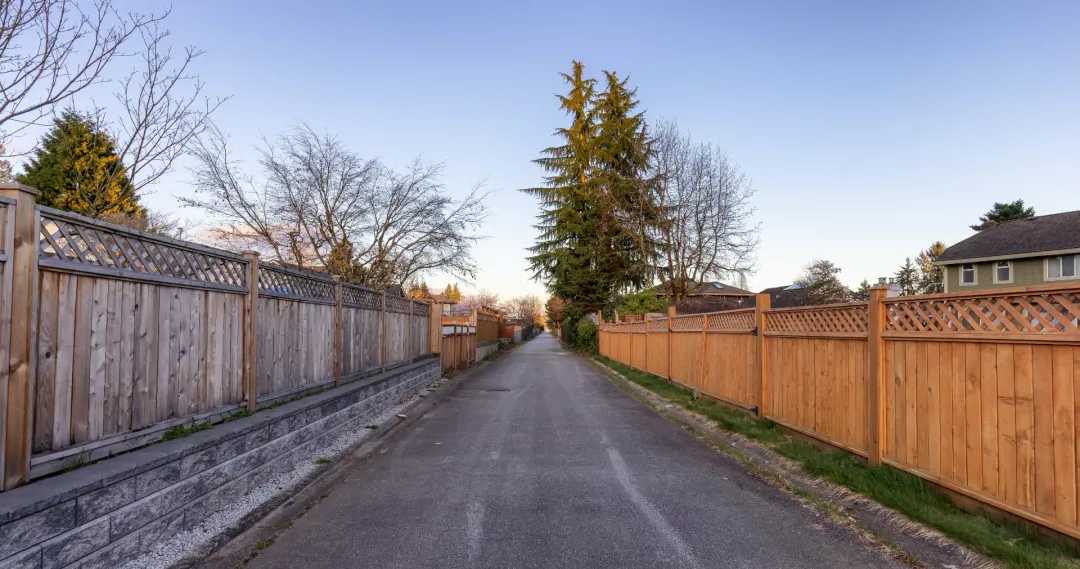
Choosing the right material involves balancing budget, appearance, and maintenance needs.
Wood is usually the most affordable option initially.
Vinyl and composite fencing require very little upkeep and are popular among busy homeowners.
Composite and aluminum fences often provide excellent long-term value due to their durability and low maintenance requirements.
Wood remains the preferred choice for homeowners who want a traditional and natural look.
A privacy fence can improve a property's appeal and functionality.
Potential benefits include:
Increased privacy
Better security
Enhanced curb appeal
Safer outdoor spaces for children and pets
Greater enjoyment of outdoor living areas
While a privacy fence may not recover its full cost through resale value alone, it often makes a property more attractive to potential buyers.
There are several ways homeowners can control costs without sacrificing quality.
Different materials offer different price points. Comparing several options helps identify the best value.
Simple fence styles generally cost less than highly customized designs.
Some homeowners fence only the most important sections of their property rather than the entire perimeter.
A fence with a higher upfront cost may actually save money over time if maintenance expenses are lower.
Comparing estimates from several suppliers helps ensure competitive pricing.
Many homeowners underestimate the true cost of a fencing project.
Common mistakes include:
Focusing only on upfront costs
Ignoring maintenance expenses
Overlooking gate costs
Choosing materials based solely on appearance
Not considering long-term durability
Taking a complete view of costs helps prevent unexpected expenses later.
For many homeowners, a privacy fence is a worthwhile investment. It creates a more comfortable outdoor environment, improves security, and provides greater peace of mind.
The value of a privacy fence extends beyond dollars and cents. Many people appreciate the ability to relax in their backyard without worrying about visibility from neighboring properties.
The best choice depends on your budget, maintenance preferences, and long-term goals. Wood offers affordability and natural beauty, vinyl provides convenience, composite delivers durability, and aluminum offers modern performance with minimal upkeep.
The cost of a privacy fence can range from a few thousand dollars to well over $10,000 depending on the material, fence height, property size, and design features. Wood remains a popular budget-friendly choice, while vinyl, composite, and aluminum offer durability and reduced maintenance.
When evaluating privacy fence costs, it is important to consider both initial expenses and long-term ownership costs. A fence that requires less maintenance may provide greater value over time even if the upfront investment is higher.
By understanding the factors that influence pricing and comparing different materials carefully, homeowners can select a privacy fence that fits their budget while delivering privacy, security, and lasting value for years to come.
Disclaimer: Costs mentioned in this article are estimates only and may vary based on location, materials, and project requirements. Contact a local fencing professional for accurate pricing.
Yes, solid privacy fences can help reduce some outdoor noise.
Vinyl, composite, and aluminum are generally durable in harsh weather.
Yes, it can improve privacy and add an extra layer of security.
Some materials, such as composite and sustainably sourced wood, are eco-friendly.
Natural wood, white, gray, black, and tan are popular choices.
Yes, privacy fences are available in many styles and colors.
Wood can attract pests if untreated, while vinyl and composite resist damage.
A 6-foot fence is a common choice for residential privacy.
Yes, taller fences can create shaded areas.
Inspect it once or twice a year for any signs of damage.
Durable, weather-resistant, and built to hold up outdoors.
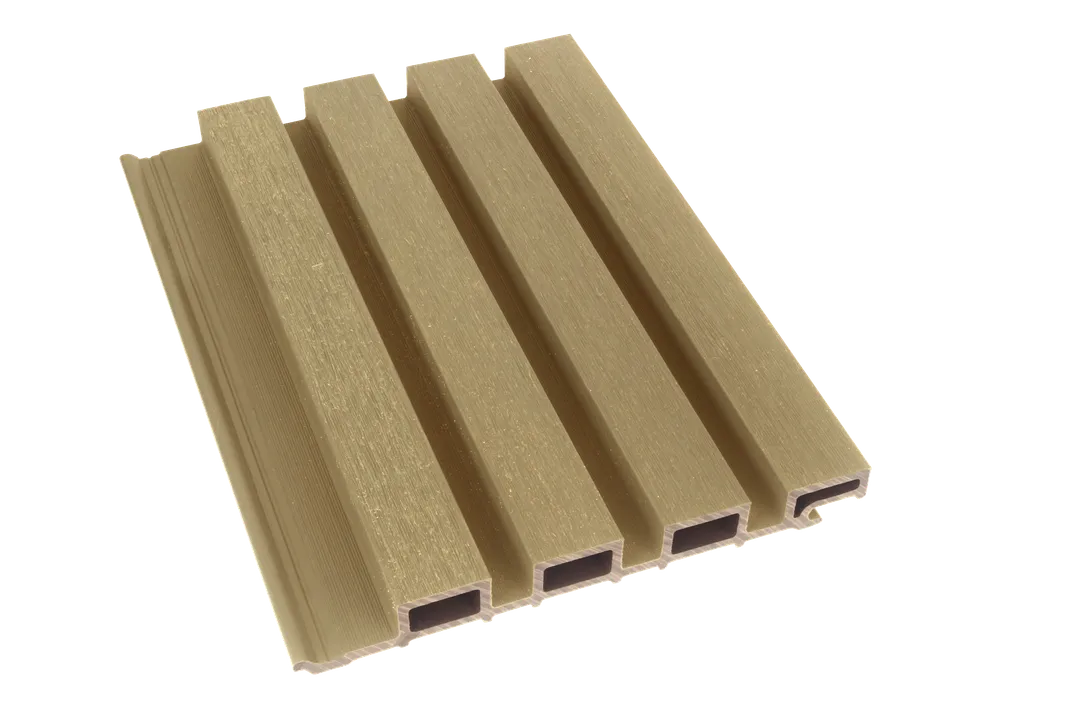
Durable, weather-resistant, and built to hold up outdoors.
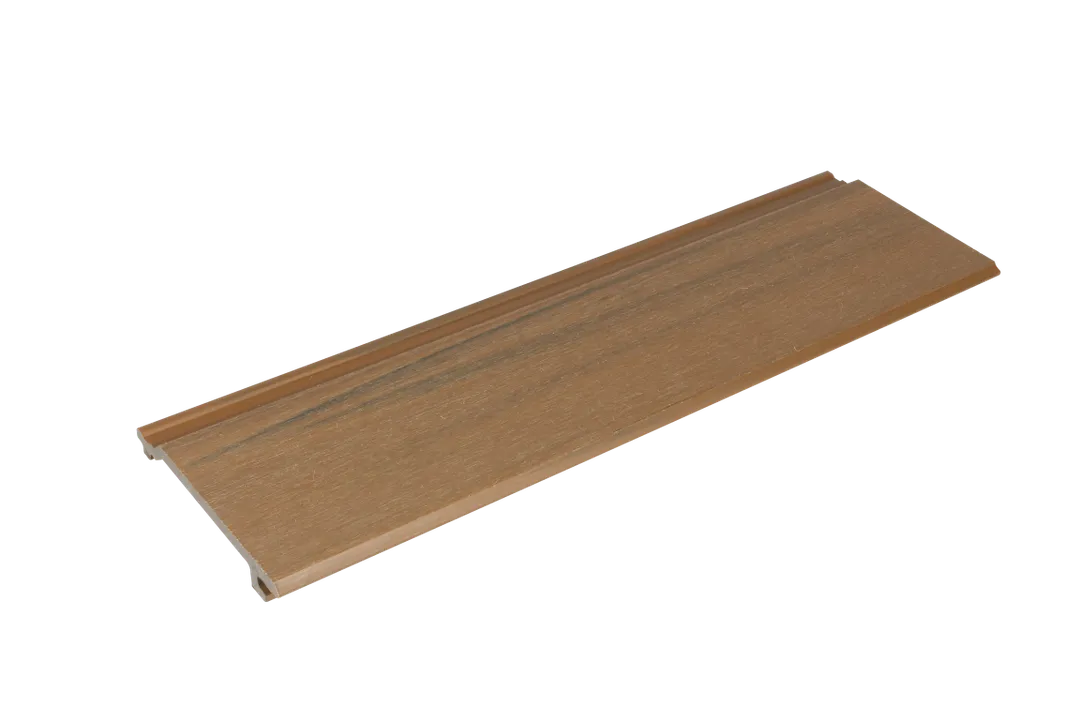
Durable, weather-resistant, and built to hold up outdoors.
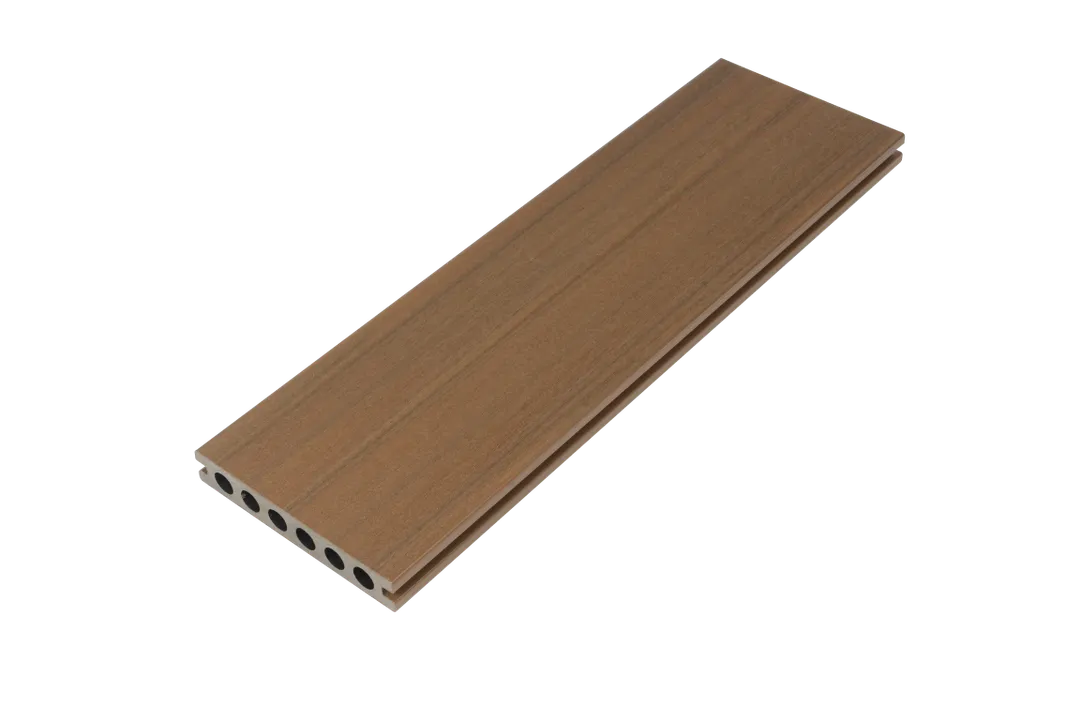
Durable, weather-resistant, and built to hold up outdoors.
Experience the texture, finish, and performance of Deckotech materials firsthand. Request a sample to evaluate the system for your next project.